15 Topics
 5 Days
 75 Sessions
Programme Overview
Training Description
Who Should Attend
This course is ideal for;
- Renewable energy project developers
- Energy systems engineers and planners
- Grid integration specialists
- Utility company professionals
- Environmental and sustainability experts
- Financial and investment analysts
- Policy and regulatory advisors
- Academic and research professionals
- Technology solution providers
- International development practitioners
Session Objectives
- Understand the fundamentals of wind-solar hybrid systems
- Explore site selection and feasibility methodologies
- Learn hybrid system design and optimization approaches
- Analyze grid integration challenges and solutions
- Evaluate financial and investment considerations
- Assess the role of storage in hybrid system performance
- Gain hands-on knowledge of digital modeling tools
- Understand regulatory and policy frameworks
- Examine successful global case studies
- Develop strategies for implementing hybrid projects
About the Course
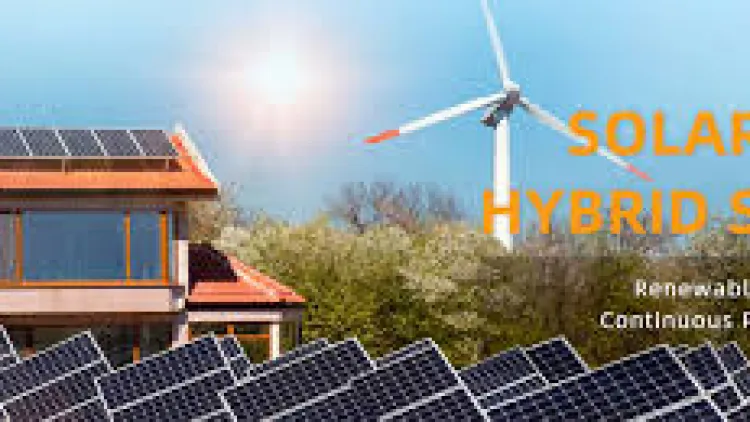
The integration of wind and solar power into hybrid energy systems is emerging as one of the most effective ways to ensure reliable, efficient, and sustainable electricity generation. By combining complementary energy sources, hybrid systems reduce intermittency challenges, optimize resource use, and improve grid stability. This training course provides participants with comprehensive expertise on the design, modeling, and optimization of wind-solar hybrid systems, equipping them to plan, implement, and manage projects that maximize renewable energy performance while lowering costs and emissions.
With a strong focus on technological innovation, digital tools, and case-based applications, the course highlights best practices in system design, grid integration, energy storage, and smart control mechanisms. Participants will gain practical insights into site assessment, feasibility studies, financial evaluation, and regulatory considerations, preparing them to develop hybrid systems suitable for both urban and rural applications. This program empowers professionals to lead the transition to cleaner and more resilient energy systems that address the growing global demand for sustainable power solutions.
Curriculum & Topics
15 Topics | 75 Sessions
-
 Workshop 1.1:
Importance of hybrid energy solutions
Workshop 1.1:
Importance of hybrid energy solutions
-
Workshop 1.2:
Global trends and drivers
-
Workshop 1.3:
Benefits of system integration
-
Workshop 1.4:
Technical and economic challenges
-
Workshop 1.5:
Overview of applications
-
Workshop 2.1:
Basics of wind energy conversion
-
Workshop 2.2:
Solar PV system components
-
Workshop 2.3:
Resource variability and intermittency
-
Workshop 2.4:
Power curves and efficiency metrics
-
Workshop 2.5:
Comparative technology analysis
-
Workshop 3.1:
Solar radiation assessment methods
-
Workshop 3.2:
Wind resource mapping tools
-
Workshop 3.3:
Hybrid site feasibility analysis
-
Workshop 3.4:
Data collection and modeling techniques
-
Workshop 3.5:
Environmental and social considerations
-
Workshop 4.1:
Sizing methodologies for hybrid systems
-
Workshop 4.2:
Load demand analysis
-
Workshop 4.3:
System configuration options
-
Workshop 4.4:
Component matching and integration
-
Workshop 4.5:
Design optimization criteria
-
Workshop 5.1:
Types of storage technologies
-
Workshop 5.2:
Role of storage in hybrid systems
-
Workshop 5.3:
Battery sizing and performance
-
Workshop 5.4:
Storage economics and lifecycle analysis
-
Workshop 5.5:
Emerging storage innovations
-
Workshop 6.1:
Grid connection requirements
-
Workshop 6.2:
Stability and reliability issues
-
Workshop 6.3:
Voltage and frequency regulation
-
Workshop 6.4:
Curtailment management
-
Workshop 6.5:
Hybrid system dispatch strategies
-
Workshop 7.1:
Smart control algorithms
-
Workshop 7.2:
Real-time monitoring solutions
-
Workshop 7.3:
Energy management systems (EMS)
-
Workshop 7.4:
Demand response integration
-
Workshop 7.5:
Optimization using AI and ML tools
-
Workshop 8.1:
Rural electrification potential
-
Workshop 8.2:
Standalone hybrid systems
-
Workshop 8.3:
Mini-grid configurations
-
Workshop 8.4:
Community-driven energy solutions
-
Workshop 8.5:
Off-grid financing models
-
Workshop 9.1:
Capital and operational costs
-
Workshop 9.2:
Revenue generation models
-
Workshop 9.3:
Investment appraisal techniques
-
Workshop 9.4:
Risk-return assessments
-
Workshop 9.5:
Financing options for hybrid projects
-
Workshop 10.1:
Carbon footprint reduction analysis
-
Workshop 10.2:
Land use and biodiversity impacts
-
Workshop 10.3:
Community engagement strategies
-
Workshop 10.4:
Health and safety considerations
-
Workshop 10.5:
Sustainability reporting practices
-
Workshop 11.1:
National energy policies for hybrid systems
-
Workshop 11.2:
Licensing and permitting processes
-
Workshop 11.3:
Feed-in tariffs and incentives
-
Workshop 11.4:
International policy frameworks
-
Workshop 11.5:
Role of government in hybrid adoption
-
Workshop 12.1:
Software for system modeling
-
Workshop 12.2:
GIS applications in hybrid projects
-
Workshop 12.3:
Hybrid optimization platforms
-
Workshop 12.4:
Simulation tools for performance forecasting
-
Workshop 12.5:
Data-driven decision-making tools
-
Workshop 13.1:
Large-scale hybrid power plants
-
Workshop 13.2:
Remote and island hybrid applications
-
Workshop 13.3:
Industrial hybrid system models
-
Workshop 13.4:
Community-based projects
-
Workshop 13.5:
Lessons from global best practices
-
Workshop 14.1:
Technical risk identification
-
Workshop 14.2:
Financial risk management
-
Workshop 14.3:
Policy and regulatory risks
-
Workshop 14.4:
Environmental risks and mitigation
-
Workshop 14.5:
Insurance solutions for hybrid projects
-
Workshop 15.1:
Hybridization with emerging technologies
-
Workshop 15.2:
Hydrogen integration opportunities
-
Workshop 15.3:
Digital twin applications
-
Workshop 15.4:
Advances in predictive analytics
-
Workshop 15.5:
Next-generation hybrid models