4 Topics
 5 Days
 32 Sessions
Programme Overview
Training Description
- Local Government and County Government Officials
- Economic Development Officers
- Local Economic Development Officers
- Urban and Regional Planners
- Municipal Managers
- Community Development Officers
- SME Development Professionals
- Entrepreneurship Development Officers
- Business Development Managers
- Investment Promotion Professionals
- Trade and Industry Officers
- NGO and Development Organization Professionals
- Project and Programme Managers
- Rural and Urban Development Practitioners
Session Objectives
About the Course
This comprehensive seminar equips participants with the knowledge and practical skills required to plan, implement, and manage inclusive, competitive, and sustainable local economies. It focuses on how local governments, businesses, communities, NGOs, and development partners can work together to stimulate employment, entrepreneurship, investment, innovation, and sustainable economic growth.
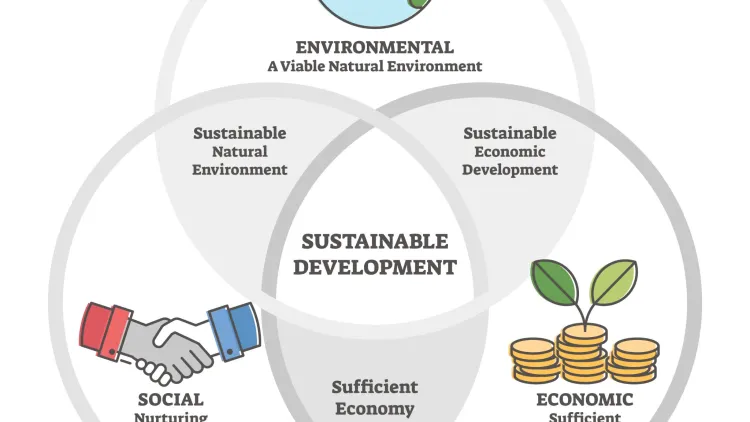
The seminar examines local economic development (LED), territorial competitiveness, SME development, entrepreneurship, value chains, local investment, business clusters, stakeholder partnerships, local markets, and strategic planning. Multi-stakeholder collaboration and the creation of synergies between public, private, and civic actors are central to effective LED approaches.Participants will use practical case studies and exercises to assess local economic opportunities, identify development constraints, strengthen local enterprises, develop partnerships, and formulate strategies that promote inclusive growth, environmental sustainability, employment creation, and resilient local economies.
Curriculum & Topics
4 Topics | 32 Sessions
-
 Workshop 1.1:
In this module, the concept of Local Economic Development (LED) is introduced and its main theories are discussed. Focus on theories of systemic and territorial competitiveness; the role of institutions in economic development; Multi-stakeholder economic development: business system and embedding of geographical production networks.
-
Workshop 1.2:
This module includes the following sessions:
-
Workshop 1.3:
Conceptualizing local economic development studies
-
Workshop 1.4:
Why has LED become an issue? - Globalization, cohesion, and competitiveness
-
Workshop 1.5:
Why has LED become an issue? - Decentralization and Local Economic Development
-
Workshop 1.6:
Territorial competitiveness
-
Workshop 1.7:
Presentation assignment using the world bank database
-
Workshop 1.8:
Constructing competitiveness from below: export base of an area
-
Workshop 1.9:
Analyzing the competitiveness index: how is it composed and what does it mean?
-
Workshop 2.1:
The module focuses on the role of small and medium-sized enterprises, their role in the local economy and the constraints in their development. A distinction is made between enterprises, formal or informal, with growth potential and informal businesses that are survival oriented. The module focuses on strategies that support enterprise development: entrepreneurship development, incubator, and innovation systems.
-
Workshop 2.2:
Incubators: operational and strategic services
-
Workshop 2.3:
SME development
-
Workshop 2.4:
Business Development Support
-
Workshop 2.5:
Financial services
-
Workshop 2.6:
Group presentations of SME support case studies: 4 cases of participants
-
Workshop 3.1:
This module focuses on the one hand on the local organization of small enterprises in clusters and the multi-stakeholder initiatives that can increase their efficiency and innovation capability. On the other hand, it examines the way in which small enterprises are inserted in external production networks or value chains and elaborates on multi-stakeholder interventions to strengthen their positioning in these chains.
-
Workshop 3.2:
Cluster development
-
Workshop 3.3:
SME cooperation in cluster development
-
Workshop 3.4:
Stakeholder analysis of clusters
-
Workshop 3.5:
Value chains 1: basic principles
-
Workshop 3.6:
Value chains 2: standards and upgrading
-
Workshop 3.7:
Value chains 3: agri-food systems
-
Workshop 3.8:
Small producer upgrading in value chains: role of chain promoters
-
Workshop 3.9:
Discuss field visit: cluster and value chain analysis
-
Workshop 4.1:
Based on the theory of territorial competitiveness, the question raised is how best to develop local economic policies with stakeholders market the city and strategically plan local economic development.
-
Workshop 4.2:
Urban livelihood and LED promotion
-
Workshop 4.3:
Locality development and urban economic policies
-
Workshop 4.4:
Local organizations for LED promotion
-
Workshop 4.5:
Managing stakeholder fora for city economic development
-
Workshop 4.6:
City marketing
-
Workshop 4.7:
City marketing case studies
-
Workshop 4.8:
Strategic planning for LED