
 8 Topics
 5 Days
 40 Sessions
Programme Overview
Training Description
Who Should Attend
- Aquaculture farmers and fish producers
- Fisheries officers and fisheries managers
- Aquaculture technicians and farm managers
- Marine and freshwater resource professionals
- Fisheries scientists and aquatic ecologists
- Agricultural and aquaculture extension officers
- Fishery and aquaculture researchers
- Government fisheries and blue economy officials
- Environmental and natural resource management professionals
- Fish processing and value-chain professionals
- Fisheries cooperative and fisher organization leaders
- Aquaculture entrepreneurs and agribusiness owners
Session Objectives
- Understand the principles of sustainable aquaculture.
- Learn best practices for responsible fisheries management.
- Evaluate the environmental impacts of aquaculture and fishing.
- Design sustainable aquaculture systems.
- Implement strategies for preventing overfishing.
- Develop policies for sustainable fisheries.
- Promote the conservation of aquatic biodiversity.
- Analyze the economic aspects of aquaculture and fisheries.
About the Course
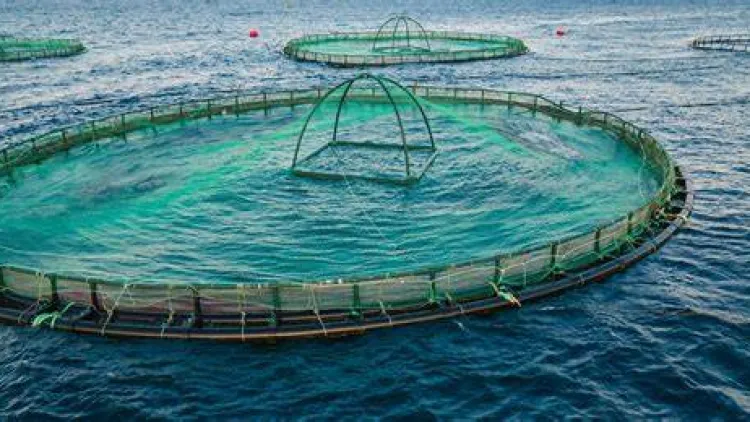
The Sustainable Aquaculture, Fisheries Management and Blue Economy Training Course equips participants with practical knowledge and skills for developing sustainable aquaculture systems and managing fisheries resources responsibly. The course examines approaches for increasing fish production while protecting aquatic ecosystems, biodiversity, and the livelihoods of fishing and aquaculture communities.Through practical exercises, case studies, technical demonstrations, and group discussions, participants will learn how to identify appropriate aquaculture systems, manage production risks, improve resource efficiency, and develop sustainable fisheries and aquaculture enterprises.The course also examines the contribution of fisheries and aquaculture to the blue economy, food security, employment, livelihoods, nutrition, poverty reduction, and rural economic development. Particular attention is given to climate change, water scarcity, pollution, habitat degradation, overfishing, and other pressures affecting aquatic resources.
Curriculum & Topics
8 Topics | 40 Sessions
-
 Workshop 1.1:
Defining sustainable aquaculture and its core principles
Workshop 1.1:
Defining sustainable aquaculture and its core principles
-
Workshop 1.2:
History and evolution of aquaculture practices
-
Workshop 1.3:
Understanding the environmental, social, and economic dimensions of aquaculture
-
Workshop 1.4:
Exploring different aquaculture systems: ponds, raceways, recirculating systems
-
Workshop 1.5:
The role of aquaculture in global food security
-
Workshop 2.1:
Understanding the principles of fisheries management
-
Workshop 2.2:
Assessing fish stocks and population dynamics
-
Workshop 2.3:
Implementing fishing regulations and quotas
-
Workshop 2.4:
Managing fishing gear and bycatch
-
Workshop 2.5:
Promoting community-based fisheries management
-
Workshop 3.1:
Evaluating the environmental impacts of aquaculture
-
Workshop 3.2:
Assessing the effects of fishing on marine ecosystems
-
Workshop 3.3:
Understanding the challenges of pollution and habitat destruction
-
Workshop 3.4:
Developing strategies for minimizing ecological footprints
-
Workshop 3.5:
Promoting environmental impact assessments
-
Workshop 4.1:
Selecting appropriate aquaculture species
-
Workshop 4.2:
Optimizing feed management and nutrition
-
Workshop 4.3:
Managing water quality and waste
-
Workshop 4.4:
Preventing disease outbreaks
-
Workshop 4.5:
Integrating aquaculture with other farming systems
-
Workshop 5.1:
Understanding the concept of overfishing
-
Workshop 5.2:
Implementing ecosystem-based fisheries management
-
Workshop 5.3:
Establishing marine protected areas
-
Workshop 5.4:
Utilizing selective fishing gear
-
Workshop 5.5:
Promoting sustainable seafood consumption
-
Workshop 6.1:
Developing effective fisheries policies and regulations
-
Workshop 6.2:
Implementing international agreements and conventions
-
Workshop 6.3:
Enforcing fisheries laws and regulations
-
Workshop 6.4:
Promoting stakeholder participation in decision-making
-
Workshop 6.5:
Addressing illegal, unreported, and unregulated fishing
-
Workshop 7.1:
Understanding the importance of aquatic biodiversity
-
Workshop 7.2:
Protecting endangered species and habitats
-
Workshop 7.3:
Managing the impacts of climate change on aquatic ecosystems
-
Workshop 7.4:
Promoting the restoration of degraded habitats
-
Workshop 7.5:
Supporting biodiversity monitoring and research
-
Workshop 8.1:
Analyzing the economic benefits of aquaculture and fisheries
-
Workshop 8.2:
Promoting market-based incentives for sustainability
-
Workshop 8.3:
Supporting small-scale fishers and aquaculture farmers
-
Workshop 8.4:
Developing value-added products and markets
-
Workshop 8.5:
Ensuring equitable access to resources and benefits