
 15 Topics
 5 Days
 74 Sessions
Programme Overview
Training Description
Who Should Attend
This course is designed for professionals involved in sustainability, finance, accounting, and reporting, including:
-
Sustainability and ESG managers, directors, and officers
-
Chief Financial Officers (CFOs), finance directors, and corporate accountants
-
Corporate social responsibility (CSR) and sustainability reporting specialists
-
Investor relations professionals and corporate communications managers
-
Internal and external auditors reviewing non-financial data
-
Corporate governance, legal, and compliance officers
-
Enterprise risk management professionals
-
Operations, supply chain, and facility managers tracking environmental impacts
Session Objectives
About the Course
As environmental, social, and governance (ESG) factors increasingly shape modern business strategy and stakeholder expectations, mastering sustainability accounting has become essential. The Sustainability Accounting & ESG Reporting Essentials training course provides professionals with the vital frameworks and tools needed to measure, track, and report on non-financial performance.
This comprehensive program equips participants with a deep understanding of evolving global ESG reporting standards, materiality assessments, and carbon accounting methodologies. Attendees learn how to integrate sustainability metrics into core business operations, ensure data integrity for audits, and effectively communicate corporate impact to investors, regulators, and consumers. By bridging traditional financial accounting with sustainability practices, this course empowers organizations to drive long-term value, enhance transparency, and meet rigorous regulatory and market demands.
Curriculum & Topics
15 Topics | 74 Sessions
-
 Workshop 1.1:
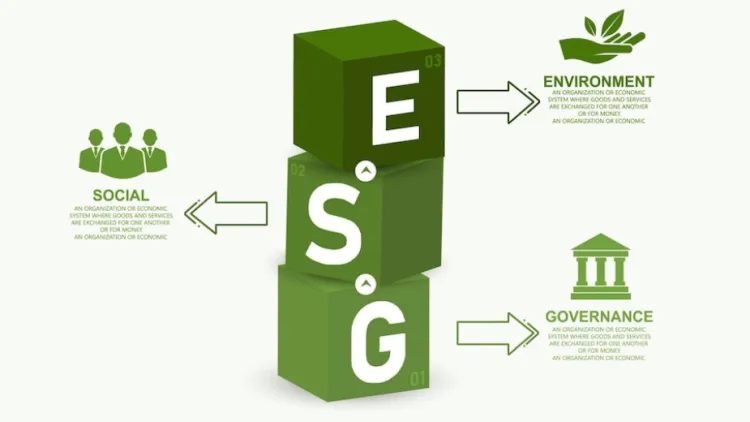
Defining ESG and its core components (Environmental, Social, Governance).
Workshop 1.1:
Defining ESG and its core components (Environmental, Social, Governance).
-
Workshop 1.2:
The evolution of sustainability and its increasing importance.
-
Workshop 1.3:
The business case for ESG: value creation and risk management.
-
Workshop 1.4:
Key drivers of ESG reporting and disclosure.
-
Workshop 1.5:
Global sustainability challenges and trends.
-
Workshop 2.1:
Overview of major ESG reporting frameworks (GRI, SASB, IIRC).
-
Workshop 2.2:
Understanding the Task Force on Climate-related Financial Disclosures (TCFD) recommendations.
-
Workshop 2.3:
Exploring other relevant standards and guidelines (e.g., UN SDGs, ISO 26000).
-
Workshop 2.4:
Comparing and contrasting different ESG frameworks.
-
Workshop 2.5:
Choosing the right framework for your organization.
-
Workshop 3.1:
Identifying and prioritizing material ESG issues.
-
Workshop 3.2:
Stakeholder engagement and materiality mapping.
-
Workshop 3.3:
Assessing the impact of ESG issues on the business.
-
Workshop 3.4:
Determining reporting boundaries.
-
Workshop 3.5:
Conducting a materiality assessment process.
-
Workshop 4.1:
Measuring and reporting on environmental performance.
-
Workshop 4.2:
Greenhouse gas emissions accounting and reporting.
-
Workshop 4.3:
Resource management (water, energy, waste).
-
Workshop 4.4:
Biodiversity and ecosystem impacts.
-
Workshop 4.5:
Environmental management systems.
-
Workshop 5.1:
Reporting on social performance and impacts.
-
Workshop 5.2:
Labor standards and human rights.
-
Workshop 5.3:
Community engagement and development.
-
Workshop 5.4:
Diversity, equity, and inclusion.
-
Workshop 5.5:
Product responsibility and safety.
-
Workshop 6.1:
Reporting on corporate governance practices.
-
Workshop 6.2:
Board composition and diversity.
-
Workshop 6.3:
Executive compensation and incentives.
-
Workshop 6.4:
Ethics and anti-corruption.
-
Workshop 6.5:
Risk management and internal controls.
-
Workshop 7.1:
Understanding sustainability accounting concepts and principles.
-
Workshop 7.2:
Integrating sustainability into core accounting systems.
-
Workshop 7.3:
Measuring and valuing environmental and social impacts.
-
Workshop 7.4:
Developing sustainability accounting policies and procedures.
-
Workshop 8.1:
Identifying and collecting ESG data.
-
Workshop 8.2:
Data quality and assurance.
-
Workshop 8.3:
Data management systems and tools.
-
Workshop 8.4:
Data analysis and reporting.
-
Workshop 8.5:
Building data capacity for ESG reporting.
-
Workshop 9.1:
Planning and preparing an ESG report.
-
Workshop 9.2:
Data gathering and analysis.
-
Workshop 9.3:
Report writing and design.
-
Workshop 9.4:
Stakeholder engagement and feedback.
-
Workshop 9.5:
Report publication and dissemination.
-
Workshop 10.1:
Identifying key stakeholders.
-
Workshop 10.2:
Engaging with stakeholders on ESG issues.
-
Workshop 10.3:
Gathering stakeholder feedback and input.
-
Workshop 10.4:
Building stakeholder relationships.
-
Workshop 10.5:
Communicating ESG performance to stakeholders.
-
Workshop 11.1:
The importance of independent assurance for ESG reports.
-
Workshop 11.2:
Different levels of assurance.
-
Workshop 11.3:
Selecting an assurance provider.
-
Workshop 11.4:
The assurance process.
-
Workshop 11.5:
Enhancing credibility through assurance.
-
Workshop 12.1:
Aligning ESG with business goals and objectives.
-
Workshop 12.2:
Identifying ESG opportunities and risks.
-
Workshop 12.3:
Developing an integrated sustainability strategy.
-
Workshop 12.4:
Integrating ESG into decision-making processes.
-
Workshop 12.5:
Creating long-term value through sustainability.
-
Workshop 13.1:
The growth of ESG investing.
-
Workshop 13.2:
ESG integration in investment analysis.
-
Workshop 13.3:
Impact investing and sustainable finance.
-
Workshop 13.4:
ESG ratings and indices.
-
Workshop 13.5:
Engaging with companies on ESG issues.
-
Workshop 14.1:
Communicating ESG performance effectively.
-
Workshop 14.2:
Developing compelling narratives and stories.
-
Workshop 14.3:
Using different communication channels.
-
Workshop 14.4:
Engaging with media and the public.
-
Workshop 14.5:
Building trust and transparency.
-
Workshop 15.1:
Emerging trends in ESG reporting and disclosure.
-
Workshop 15.2:
The role of technology in ESG reporting.
-
Workshop 15.3:
The evolving regulatory landscape for ESG.
-
Workshop 15.4:
The future of sustainability and its impact on business.
-
Workshop 15.5:
Integrating ESG into core business strategy for long-term success.