15 Topics
 5 Days
 75 Sessions
Programme Overview
Training Description
• HR directors and managers
• Talent management specialists
• HR business partners
• Senior executives and C-suite leaders
• Organizational development specialists
• Learning and development (L&D) managers
• Performance management professionals
• Succession planning specialists
• People analytics specialists
• Anyone responsible for managing talent within an organization
Session Objectives
- Understand the strategic importance of talent review and the 9-Box Grid
- Master a comprehensive framework for designing and implementing a talent review process.
- Develop objective criteria for assessing performance and potential
- Facilitate effective and productive talent calibration sessions.
- Use the 9-Box Grid as a strategic tool for succession planning.
About the Course
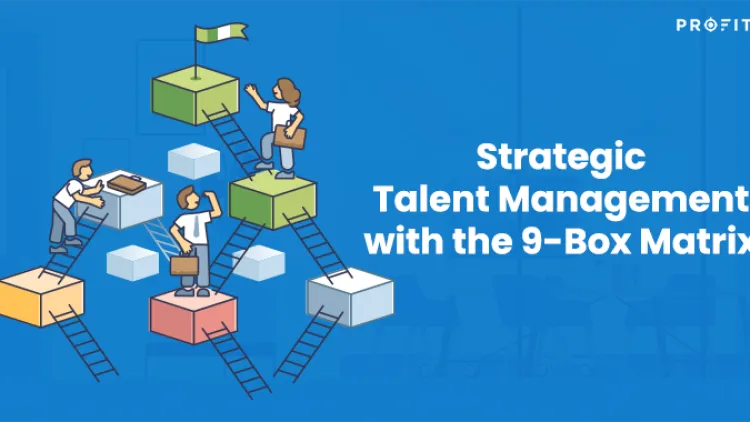
In the modern competitive landscape, a company's greatest asset is its people, and the ability to strategically manage and develop that talent is paramount to success. This training course is meticulously designed to equip HR professionals and business leaders with the strategic skills and practical frameworks needed to master the art of talent review and the 9-Box Grid. By moving beyond traditional performance reviews, you will learn how to accurately assess employee potential, identify high-performing individuals, and create a robust succession plan. This program provides the essential blueprint for a new generation of leaders prepared to champion a more intentional and impactful approach to talent management and secure a lasting competitive advantage.
This comprehensive curriculum offers a practical deep dive into the entire talent review process, from building a clear assessment framework to facilitating powerful calibration sessions and communicating outcomes. You will learn to use data and objective criteria to populate the 9-Box Grid, ensuring fairness and consistency in your talent decisions. The course focuses on real-world case studies and hands-on exercises, helping you to build the skills necessary to influence leadership decisions and prove the ROI of your talent development initiatives. By the end of this program, you will not only be proficient in talent review and the 9-Box Grid but also be prepared to champion a data-driven and strategic approach to talent management.
Curriculum & Topics
15 Topics | 75 Sessions
-
 Workshop 1.1:
The strategic link between talent management and business growth.
Workshop 1.1:
The strategic link between talent management and business growth.
-
Workshop 1.2:
Understanding the purpose of talent review beyond performance management.
-
Workshop 1.3:
The evolution of talent assessment methodologies.
-
Workshop 1.4:
The role of HR as a strategic facilitator of talent discussions.
-
Workshop 1.5:
Case studies of organizations with successful talent review processes.
-
Workshop 2.1:
Defining the 9-Box Grid and its core components.
-
Workshop 2.2:
Understanding the difference between performance and potential.
-
Workshop 2.3:
The common mistakes and pitfalls to avoid when using the grid.
-
Workshop 2.4:
The strategic implications of each of the nine boxes.
-
Workshop 2.5:
Using the 9-Box Grid as a conversation tool for leaders.
-
Workshop 3.1:
Developing objective and measurable performance criteria.
-
Workshop 3.2:
Identifying the key indicators of employee potential.
-
Workshop 3.3:
The importance of a clear and consistent assessment scale.
-
Workshop 3.4:
Aligning your assessment with organizational values and competencies.
-
Workshop 3.5:
Building a framework that is fair, transparent, and defensible.
-
Workshop 4.1:
The data needed for an effective talent review.
-
Workshop 4.2:
Using HRIS and other data sources for talent insights.
-
Workshop 4.3:
The importance of an integrated data strategy.
-
Workshop 4.4:
Preparing talent data for calibration sessions.
-
Workshop 4.5:
Best practices for data governance and security.
-
Workshop 5.1:
A step-by-step framework for facilitating a talent calibration meeting.
-
Workshop 5.2:
The role of the facilitator in managing the conversation and mitigating bias.
-
Workshop 5.3:
Strategies for ensuring a consistent and fair calibration.
-
Workshop 5.4:
Best practices for documenting and capturing insights.
-
Workshop 5.5:
The importance of creating a safe and trusting environment.
-
Workshop 6.1:
Understanding cognitive biases that impact talent assessment.
-
Workshop 6.2:
The link between bias and diversity, equity, and inclusion (DEI).
-
Workshop 6.3:
Strategies for actively mitigating bias in talent reviews.
-
Workshop 6.4:
The importance of a multi-rater feedback system.
-
Workshop 6.5:
Training leaders to recognize and address their own biases.
-
Workshop 7.1:
The strategic importance of a robust leadership pipeline.
-
Workshop 7.2:
Using the 9-Box Grid to identify high-potential employees.
-
Workshop 7.3:
Developing a talent pool for critical roles and key positions.
-
Workshop 7.4:
The importance of a clear and transparent career path.
-
Workshop 7.5:
Building a program for high-potential talent development.
-
Workshop 8.1:
A framework for linking talent review to succession planning.
-
Workshop 8.2:
The difference between a replacement plan and a succession plan.
-
Workshop 8.3:
Identifying and developing successors for critical roles.
-
Workshop 8.4:
Communicating succession plans with a focus on development.
-
Workshop 8.5:
The role of HR in ensuring a smooth leadership transition.
-
Workshop 9.1:
Using talent review outcomes to create individual development plans.
-
Workshop 9.2:
The importance of a clear and actionable development strategy.
-
Workshop 9.3:
The link between learning and development and talent readiness.
-
Workshop 9.4:
Providing coaching, mentorship, and stretch assignments.
-
Workshop 9.5:
Best practices for following up on development commitments.
-
Workshop 10.1:
The importance of a transparent and empathetic communication strategy.
-
Workshop 10.2:
Training managers on how to have difficult talent conversations.
-
Workshop 10.3:
Communicating development opportunities to employees.
-
Workshop 10.4:
The role of HR in managing employee expectations and career aspirations.
-
Workshop 10.5:
The link between communication and employee engagement.
-
Workshop 11.1:
Using people analytics to validate talent decisions.
-
Workshop 11.2:
The link between talent review data and business outcomes.
-
Workshop 11.3:
Measuring the effectiveness and ROI of your talent review process.
-
Workshop 11.4:
Using data to identify skills gaps and talent shortages.
-
Workshop 11.5:
The importance of a data-driven approach to talent strategy.
-
Workshop 12.1:
Using the 9-Box Grid for team and organizational analysis.
-
Workshop 12.2:
The role of the 9-Box in performance improvement planning.
-
Workshop 12.3:
Integrating the 9-Box into a total rewards strategy.
-
Workshop 12.4:
Using the 9-Box Grid to manage an inclusive talent pipeline.
-
Workshop 12.5:
Best practices for a continuous talent review process.
-
Workshop 13.1:
Navigating talent reviews during periods of organizational change.
-
Workshop 13.2:
Using the 9-Box Grid to inform restructuring and reorganization.
-
Workshop 13.3:
The importance of maintaining a talent focus during a crisis.
-
Workshop 13.4:
Strategies for managing leadership uncertainty.
-
Workshop 13.5:
The role of HR in ensuring a fair and equitable process.
-
Workshop 14.1:
An overview of the technology and software for talent management.
-
Workshop 14.2:
Choosing the right platform to support your talent review process.
-
Workshop 14.3:
The importance of a user-friendly and intuitive interface.
-
Workshop 14.4:
Integrating your talent management system with your HRIS.
-
Workshop 14.5:
Best practices for managing technology implementation and adoption.
-
Workshop 15.1:
Emerging trends in AI, machine learning, and predictive analytics.
-
Workshop 15.2:
The skills needed to be a successful talent management practitioner.
-
Workshop 15.3:
Building a sustainable and scalable talent review process.
-
Workshop 15.4:
The role of talent review in driving organizational culture.
-
Workshop 15.5:
A personal action plan for championing talent review in your role.