9 Topics
 10 Days
 45 Sessions
Programme Overview
Training Description
Who Should Attend
- Project and programme managers
- Performance management professionals
- Organizational development specialists
- Team leaders and supervisors
- Government and public-sector managers
- NGO and development-sector professionals
- Entrepreneurs and business owners
- Professionals involved in strategy formulation and implementation
Session Objectives
- Understand the fundamentals of strategic planning and goal setting.
- Align administrative tasks with organizational goals and objectives.
- Understand the organization's mission, vision, and values.
- Develop and implement SMART goals for administrative tasks.
- Prioritize tasks based on strategic importance.
- Understand the concept of Key Performance Indicators (KPIs) and their relevance.
- Contribute to the development and implementation of strategic plans.
- Improve their ability to anticipate and respond to organizational needs.
- Enhance their understanding of the organization's strategic direction.
- Develop strategies for tracking progress and measuring success.
- Improve their ability to collaborate with other departments on strategic initiatives.
- Enhance their problem-solving and decision-making skills in a strategic context.
- Contribute to improved organizational efficiency and effectiveness.
- Stay up-to-date with strategic planning and goal-setting best practices.
- Become a more strategic and valuable administrative professional.
- Understand ethical considerations in aligning administrative tasks with organizational goals.
- Learn how to use strategic planning tools and techniques effectively for administrative tasks.
About the Course
Strategy to Results: Strategic Planning and Goal Execution is a practical and results-oriented training course designed to help professionals and organizational leaders translate strategic ambitions into clear priorities, measurable objectives, actionable plans, and sustainable results. The course equips participants with the tools to develop effective strategies, align resources, establish performance measures, overcome execution barriers, and maintain accountability throughout implementation.Participants will learn how to move beyond strategic planning documents and create execution-focused strategies that connect organizational vision with day-to-day activities and measurable outcomes.
Curriculum & Topics
9 Topics | 45 Sessions
-
 Workshop 1.1:
Understanding the importance of strategic planning and goal setting for organizational success.
-
Workshop 1.2:
Key concepts and terminology (mission, vision, values, strategic objectives, KPIs).
-
Workshop 1.3:
The relationship between strategic planning and administrative tasks.
-
Workshop 1.4:
The role of administrative professionals in supporting strategic initiatives.
-
Workshop 1.5:
Overview of common strategic planning models (SWOT, PESTLE, etc.).
-
Workshop 2.1:
Analyzing the organization's mission, vision, and values statements.
-
Workshop 2.2:
Understanding how these statements guide strategic decision-making.
-
Workshop 2.3:
Identifying the organization's core competencies and competitive advantages.
-
Workshop 2.4:
Understanding the organization's target market and industry landscape.
-
Workshop 2.5:
Aligning personal values with organizational values.
-
Workshop 3.1:
Identifying key strategic objectives and initiatives.
-
Workshop 3.2:
Translating strategic objectives into actionable administrative tasks.
-
Workshop 3.3:
Understanding the impact of administrative tasks on strategic goals.
-
Workshop 3.4:
Prioritizing tasks based on strategic importance.
-
Workshop 3.5:
Developing strategies for integrating administrative tasks into strategic plans.
-
Workshop 4.1:
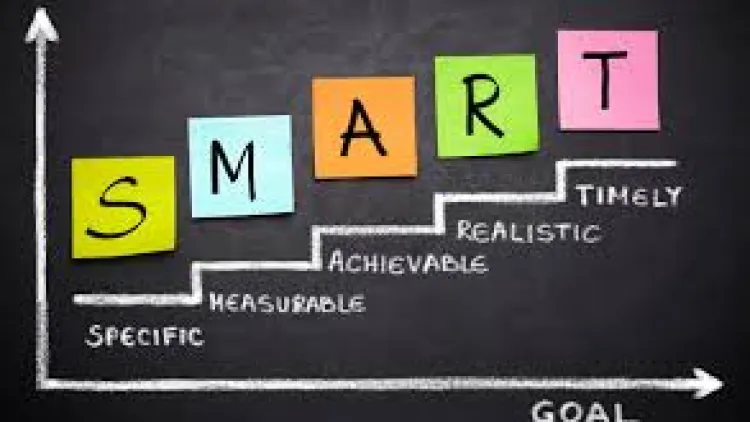
Understanding the principles of SMART goal setting (Specific, Measurable, Achievable, Relevant, Time-bound).
-
Workshop 4.2:
Developing SMART goals for individual and team administrative tasks.
-
Workshop 4.3:
Aligning SMART goals with organizational KPIs.
-
Workshop 4.4:
Setting realistic and challenging goals.
-
Workshop 4.5:
Tracking progress and measuring goal achievement.
-
Workshop 5.1:
Understanding the Eisenhower Matrix and other prioritization techniques.
-
Workshop 5.2:
Applying strategic thinking to time management.
-
Workshop 5.3:
Identifying and eliminating time-wasting activities.
-
Workshop 5.4:
Managing competing priorities and deadlines.
-
Workshop 5.5:
Utilizing time management tools and techniques.
-
Workshop 6.1:
Understanding the concept of KPIs and their relevance to administrative tasks.
-
Workshop 6.2:
Identifying relevant KPIs for measuring administrative performance.
-
Workshop 6.3:
Developing strategies for tracking and reporting KPIs.
-
Workshop 6.4:
Using KPIs to identify areas for improvement.
-
Workshop 6.5:
Understanding how KPIs relate to broader organizational success.
-
Workshop 7.1:
Understanding the strategic planning process and its various stages.
-
Workshop 7.2:
Contributing to data collection and analysis for strategic planning.
-
Workshop 7.3:
Participating in strategic planning meetings and discussions.
-
Workshop 7.4:
Implementing strategies for communicating strategic plans to stakeholders.
-
Workshop 7.5:
Understanding the importance of change management in strategic implementation.
-
Workshop 8.1:
Developing critical thinking and problem-solving skills.
-
Workshop 8.2:
Utilizing data and information to make informed decisions.
-
Workshop 8.3:
Understanding the impact of decisions on strategic goals.
-
Workshop 8.4:
Collaborating with other departments to address strategic challenges.
-
Workshop 8.5:
Implementing continuous improvement strategies.
-
Workshop 9.1:
Developing a culture of continuous improvement in administrative tasks.
-
Workshop 9.2:
Implementing feedback mechanisms for evaluating strategic alignment.
-
Workshop 9.3:
Staying up-to-date with industry trends and best practices.
-
Workshop 9.4:
Developing a personal action plan for strategic alignment.
-
Workshop 9.5:
The future of strategic administration in a dynamic workplace.