15 Topics
 5 Days
 45 Sessions
Programme Overview
Training Description
Who Should Attend
- PMO Professionals
- Project Team Members
- Operations Managers
- Departmental and Functional Managers
- Business Analysts and Consultants
- Team Leaders
- Professionals transitioning into project leadership roles
- Anyone responsible for managing project teams
Session Objectives
- Understand the core principles of leadership and team management
- Develop effective communication skills
- Learn techniques for building high-performing teams
- Gain practical skills in conflict resolution and managing team dynamics
- Learn how to set clear goals and expectations
- Master strategies for delegating tasks efficiently
- Understand how to monitor and assess team performance
- Develop emotional intelligence
About the Course
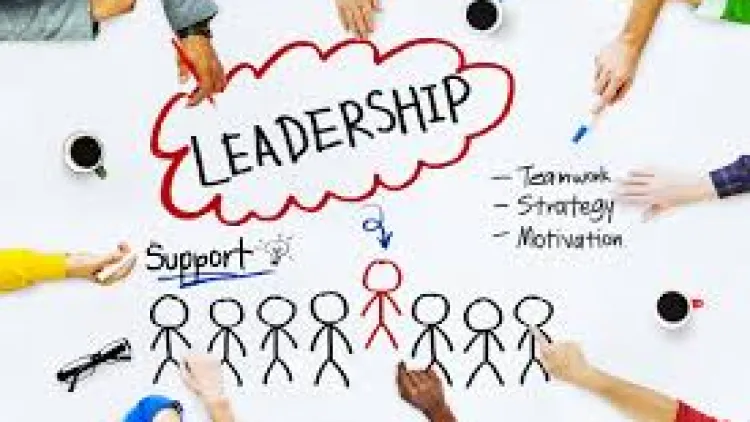
The Leadership and Team Management for Projects Training Course is designed to strengthen the leadership and people-management capabilities of professionals responsible for leading project teams. Participants will learn how to build high-performing teams, communicate effectively, delegate responsibilities, manage conflicts, motivate team members, and maintain accountability throughout the project lifecycle.The course combines practical leadership principles with project-based scenarios, group exercises, case studies, and interactive activities to help participants effectively manage the human dynamics that influence project success.
Curriculum & Topics
15 Topics | 45 Sessions
-
 Workshop 1.1:
Understanding the role of a project leader
-
Workshop 1.2:
Key traits and responsibilities of effective leaders
-
Workshop 1.3:
Leadership styles and their impact on team performance
-
Workshop 2.1:
Stages of team development (Forming, Storming, Norming, Performing, Adjourning)
-
Workshop 2.2:
Building high-performing teams
-
Workshop 2.3:
Understanding team roles and how to leverage strengths
-
Workshop 3.1:
Effective communication techniques for project leaders
-
Workshop 3.2:
Active listening and feedback
-
Workshop 3.3:
Tailoring communication to different team members
-
Workshop 4.1:
Motivational theories (Maslow’s Hierarchy of Needs, Herzberg’s Two-Factor Theory)
-
Workshop 4.2:
Strategies to inspire and energize teams
-
Workshop 4.3:
Understanding intrinsic vs. extrinsic motivation
-
Workshop 5.1:
Types of conflicts in project teams
-
Workshop 5.2:
Techniques for conflict resolution
-
Workshop 5.3:
Preventing conflicts and maintaining team cohesion
-
Workshop 6.1:
Best practices for delegating tasks
-
Workshop 6.2:
Understanding your team’s strengths and weaknesses
-
Workshop 6.3:
Time management strategies for project leaders
-
Workshop 7.1:
Defining emotional intelligence and its role in leadership
-
Workshop 7.2:
How emotional intelligence impacts team dynamics
-
Workshop 7.3:
Techniques for improving emotional intelligence
-
Workshop 8.1:
Establishing trust within the team
-
Workshop 8.2:
Fostering a culture of accountability and ownership
-
Workshop 8.3:
Tools for monitoring team performance
-
Workshop 9.1:
Leading teams through change and uncertainty
-
Workshop 9.2:
Developing strategies for adapting to changing project requirements
-
Workshop 9.3:
Maintaining team morale during change
-
Workshop 10.1:
Critical thinking and decision-making processes
-
Workshop 10.2:
Problem-solving methodologies for leaders
-
Workshop 10.3:
Making decisions under pressure and uncertainty
-
Workshop 11.1:
Understanding the role of coaching and mentoring in leadership
-
Workshop 11.2:
Techniques for developing team members
-
Workshop 11.3:
Building a continuous learning culture
-
Workshop 12.1:
Identifying and managing project risks
-
Workshop 12.2:
Building a risk-aware team culture
-
Workshop 12.3:
Leading teams through risk mitigation strategies
-
Workshop 13.1:
Setting clear goals and expectations for team members
-
Workshop 13.2:
Providing constructive feedback and performance reviews
-
Workshop 13.3:
Addressing underperformance and maintaining motivation
-
Workshop 14.1:
Leading diverse teams effectively
-
Workshop 14.2:
Cultural awareness and sensitivity in leadership
-
Workshop 14.3:
Leveraging diversity for creative problem-solving and innovation
-
Workshop 15.1:
Ethical considerations in project leadership
-
Workshop 15.2:
Maintaining integrity and transparency with the team
-
Workshop 15.3:
Making ethical decisions in complex project scenarios