
 6 Topics
 5 Days
 29 Sessions
Programme Overview
Training Description
Session Objectives
- Apply the 25 core principles of Mass Casualty Management. Develop, implement, and activate scalable MCM plans. Conduct efficient triage and ensure safe patient flow. Foster skills in crowd control and resource optimization. Utilize the Incident Command System (ICS) for coordination.
About the Course
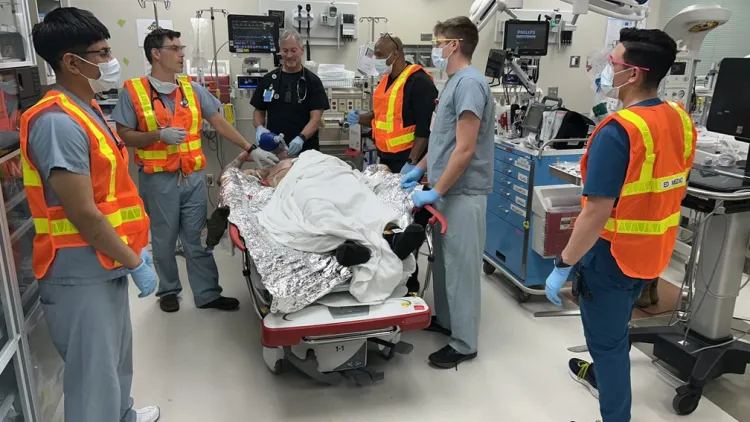
Evacuation Planning and Mass Casualty Management is an advanced emergency preparedness course designed to equip emergency managers, first responders, healthcare professionals, security teams, and crisis leaders with the knowledge and practical skills required to plan, coordinate, and manage large-scale evacuations and mass casualty incidents effectively.
Emphasis is placed on rapid decision-making, casualty prioritization, evacuation routes, vulnerable populations, assembly points, traffic and crowd management, medical coordination, family reunification, emergency logistics, and responder safety. Participants will also examine the importance of drills, simulations, contingency planning, and post-incident evaluation.Through scenario-based exercises, tabletop simulations, case studies, and evacuation planning activities, participants will develop the ability to create coordinated evacuation plans, establish mass casualty response systems, manage limited resources under pressure, and strengthen organizational and community readiness for large-scale emergencies.
Curriculum & Topics
6 Topics | 29 Sessions
-
 Workshop 1.1:
Understanding mass casualty dynamics and medical surge
Workshop 1.1:
Understanding mass casualty dynamics and medical surge
-
Workshop 1.2:
Risk-based planning and hazard-specific strategies
-
Workshop 1.3:
Population mapping and vulnerable groups identification
-
Workshop 1.4:
National and international protocols for emergency movement
-
Workshop 2.1:
Phases of evacuation: decision, alert, mobilization, and movement
-
Workshop 2.2:
Route planning, staging areas, and resource prepositioning
-
Workshop 2.3:
Safety, security, and access control during evacuations
-
Workshop 2.4:
Shelter setup and host community coordination
-
Workshop 2.5:
Role of technology in evacuation alerts and tracking
-
Workshop 3.1:
START and SALT triage models and tools
-
Workshop 3.2:
Prioritizing care in overwhelmed health systems
-
Workshop 3.3:
Field hospitals, mobile units, and emergency supply chains
-
Workshop 3.4:
Coordination between EMS, hospitals, and command centers
-
Workshop 3.5:
Psychological first aid and family reunification protocols
-
Workshop 4.1:
Incident Command System (ICS) integration in large-scale events
-
Workshop 4.2:
Role clarity and task delegation under Unified Command
-
Workshop 4.3:
Linking civil, health, and security institutions
-
Workshop 4.4:
Real-time communication protocols across agencies
-
Workshop 4.5:
Multi-sector collaboration frameworks and joint action plans
-
Workshop 5.1:
Gender-sensitive and inclusive evacuation approaches
-
Workshop 5.2:
Cultural norms and community engagement strategies
-
Workshop 5.3:
Managing evacuation of people with disabilities and chronic conditions
-
Workshop 5.4:
Handling of fatalities with dignity and cultural respect
-
Workshop 5.5:
Coordination of spokespersons and official narratives
-
Workshop 6.1:
Conducting simulation exercises and tabletop drills
-
Workshop 6.2:
Evaluation criteria for successful evacuation readiness
-
Workshop 6.3:
After-action reviews and improvement planning
-
Workshop 6.4:
Institutional learning and policy integration
-
Workshop 6.5:
Sustaining preparedness through periodic reviews