8 Topics
 5 Days
 39 Sessions
Programme Overview
Training Description
• HR Directors and Managers
• Talent Management Specialists
• Organizational Development Professionals
• HR Business Partners
• Learning and Development Leads
• Workforce Planning Strategists
• Change Management Experts
• Employee Experience Designers
Session Objectives
- Understand the strategic value of competency modeling in HR
- Design competency frameworks aligned with organizational goals
- Develop behavioral indicators for various job levels and functions
- Integrate competencies with performance and learning systems
About the Course
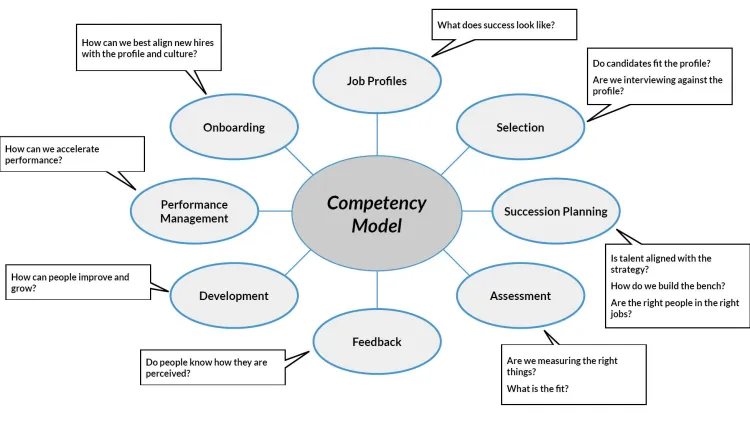
The Strategic Competency Modeling for HR Leaders Training Course is designed to equip human resource professionals with advanced skills in designing, aligning, and implementing competency frameworks that support talent strategy and organizational success. As the future of work demands greater agility, precision, and performance, HR leaders must understand how to define critical behaviors and capabilities that drive business outcomes. This course provides practical insights into competency design, behavioral indicators, performance integration, and linking competencies to learning, career development, and succession planning.
Curriculum & Topics
8 Topics | 39 Sessions
-
 Workshop 1.1:
• Definition and types of competencies
-
Workshop 1.2:
• Strategic drivers behind competency frameworks
-
Workshop 1.3:
Historical evolution of competency modeling
-
Workshop 1.4:
Core vs. technical vs. leadership competencies
-
Workshop 1.5:
Challenges and opportunities in implementation
-
Workshop 2.1:
Defining the scope and purpose of the model
-
Workshop 2.2:
Competency identification through job analysis and workshops
-
Workshop 2.3:
Structuring competency libraries
-
Workshop 2.4:
Aligning with organizational strategy and values
-
Workshop 2.5:
Designing scalable and flexible models
-
Workshop 3.1:
Writing clear, measurable behavioral statements
-
Workshop 3.2:
Creating proficiency levels for each competency
-
Workshop 3.3:
Linking behaviors to performance outcomes
-
Workshop 3.4:
Building inclusive and bias-free competencies
-
Workshop 4.1:
Mapping competencies to roles and job descriptions
-
Workshop 4.2:
Role profiling through focus groups and interviews
-
Workshop 4.3:
Conducting competency gap assessments
-
Workshop 4.4:
Validation techniques: surveys, pilots, and testing
-
Workshop 4.5:
Updating job architectures using competency alignment
-
Workshop 5.1:
Embedding competencies into recruitment and selection
-
Workshop 5.2:
Performance management based on competency metrics
-
Workshop 5.3:
Using competencies for learning path design
-
Workshop 5.4:
Development planning and personalized training
-
Workshop 5.5:
Succession and career development frameworks
-
Workshop 6.1:
Creating learning content aligned to competencies
-
Workshop 6.2:
Assessing current vs. target competency levels
-
Workshop 6.3:
Learning systems integration with competency data
-
Workshop 6.4:
Microlearning and adaptive learning strategies
-
Workshop 6.5:
Tracking development and progress analytics
-
Workshop 7.1:
Competency software and digital frameworks
-
Workshop 7.2:
AI and machine learning for competency insights
-
Workshop 7.3:
Integrating with HRIS, LMS, and ATS platforms
-
Workshop 7.4:
Dashboards and data visualization
-
Workshop 7.5:
Leveraging data for workforce planning
-
Workshop 8.1:
• Keeping frameworks dynamic and future-ready
-
Workshop 8.2:
Embedding into organizational culture
-
Workshop 8.3:
Governance models for updates and review
-
Workshop 8.4:
Communicating the value to stakeholders
-
Workshop 8.5:
Benchmarking and global best practice examples