7 Topics
 5 Days
Programme Overview
Training Description
• Chief Financial Officers (CFOs) and Senior Executives
• Finance and Accounting Managers
• Budgeting and Forecasting Professionals
• Strategic Planners and Performance Management Specialists
• Operational and Production Managers
Session Objectives
- Understand the core principles and frameworks of performance-based budgeting. Differentiate PBB from traditional budgeting methodologies. Develop clear and measurable performance indicators (KPIs). Link budget allocations directly to strategic goals and program outcomes. Utilize data and analytics to inform budgeting decisions.
About the Course
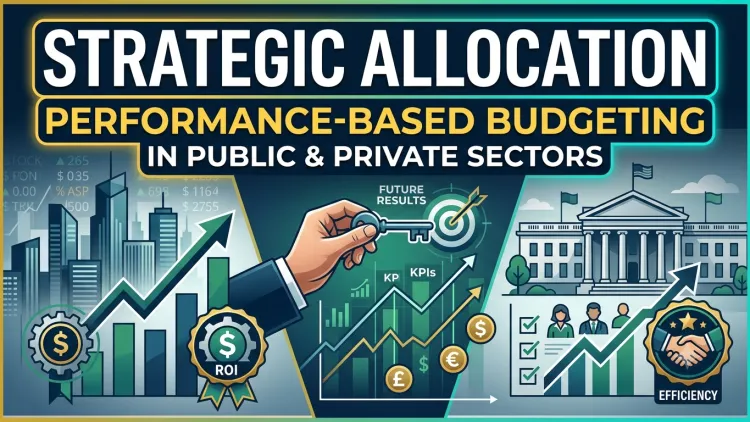
Performance-Based Budgeting (PBB) is a transformative financial management approach that links an organization's funding decisions directly to its achievements and strategic objectives. Unlike traditional line-item budgeting, which focuses on inputs and expenses, PBB demands a clear connection between resources spent and the results produced. This modern methodology is crucial for both public and private sectors, as it drives accountability, enhances transparency, and ensures that every dollar spent is directed toward creating measurable value and achieving key outcomes.
This comprehensive training course provides the foundational knowledge and practical tools to implement this powerful system. Participants will learn how to design effective performance measures, analyze data to make informed decisions, and build a budgeting framework that aligns directly with organizational strategy. By the end of this program, attendees will be equipped to champion a culture of efficiency and accountability, providing leadership with the insights needed to allocate resources strategically and demonstrate the tangible impact of their investments.
Curriculum & Topics
7 Topics | 5 Days
-
 Subtopic 1.1:
Defining performance-based budgeting.
Subtopic 1.1:
Defining performance-based budgeting.
-
Subtopic 1.2:
The evolution from traditional to performance-based methods.
-
Subtopic 1.3:
Key concepts: outcomes, outputs, and inputs.
-
Subtopic 1.4:
The value of PBB for accountability and transparency.
-
Subtopic 1.5:
Overview of PBB frameworks in different sectors.
-
Subtopic 2.1:
Creating S.M.A.R.T. performance indicators.
-
Subtopic 2.2:
Techniques for data collection and validation.
-
Subtopic 2.3:
Linking measures to strategic goals.
-
Subtopic 2.4:
Qualitative versus quantitative performance measures.
-
Subtopic 2.5:
Avoiding common pitfalls in measure design.
-
Subtopic 3.1:
Mapping government programs and services.
-
Subtopic 3.2:
Aligning budget requests with policy objectives.
-
Subtopic 3.3:
Case studies of PBB in government agencies.
-
Subtopic 3.4:
Engaging with elected officials and the public.
-
Subtopic 3.5:
Reporting and public transparency requirements.
-
Subtopic 4.1:
Connecting performance measures to business unit profitability.
-
Subtopic 4.2:
Using PBB for corporate social responsibility (CSR) initiatives.
-
Subtopic 4.3:
Aligning departmental budgets with company-wide KPIs.
-
Subtopic 4.4:
Driving internal efficiency and cost-effectiveness.
-
Subtopic 4.5:
Rewarding and incentivizing performance.
-
Subtopic 5.1:
Tools for performance data analysis.
-
Subtopic 5.2:
Creating effective performance dashboards and reports.
-
Subtopic 5.3:
Using data to justify budget changes.
-
Subtopic 5.4:
Communicating complex data to non-technical audiences.
-
Subtopic 5.5:
Telling the story behind the numbers.
-
Subtopic 6.1:
Building a coalition for change.
-
Subtopic 6.2:
Training employees on new processes and tools.
-
Subtopic 6.3:
Managing resistance and addressing concerns.
-
Subtopic 6.4:
Creating a culture focused on outcomes.
-
Subtopic 6.5:
Sustaining the PBB model long-term.
-
Subtopic 7.1:
Zero-based and priority-based budgeting integration with PBB.
-
Subtopic 7.2:
Balancing short-term results with long-term goals.
-
Subtopic 7.3:
Risk management in a performance-based system.
-
Subtopic 7.4:
Case study: Building a PBB model from scratch.
-
Subtopic 7.5:
Interactive workshop and peer feedback session.