15 Topics
 5 Days
 75 Sessions
Programme Overview
Training Description
Who Should Attend
This course is ideal for;
- Energy Managers and Analysts
- Data Scientists and ML Engineers
- Utility and Grid Operators
- Mechanical and Electrical Engineers
- Building and Facility Managers
- Industrial IoT Specialists
- R&D Professionals in Energy
- Smart Grid Planners
- Technology Consultants
- Asset Managers in Energy
Session Objectives
- Master the core principles of digital twin technology in the energy sector.
- Learn to design and build a functional digital twin for an energy asset.
- Understand the key data requirements and integration methods.
- Grasp the complexities of real-time monitoring and data visualization.
- Develop proficiency in using predictive analytics for maintenance and performance.
- Explore best practices for simulating scenarios and testing optimizations.
- Learn about robust approaches to cybersecurity for digital twins.
- Identify the critical legal and regulatory frameworks for data.
- Develop skills in communicating the economic and operational benefits.
- Formulate strategies for a data-driven approach to energy management.
About the Course
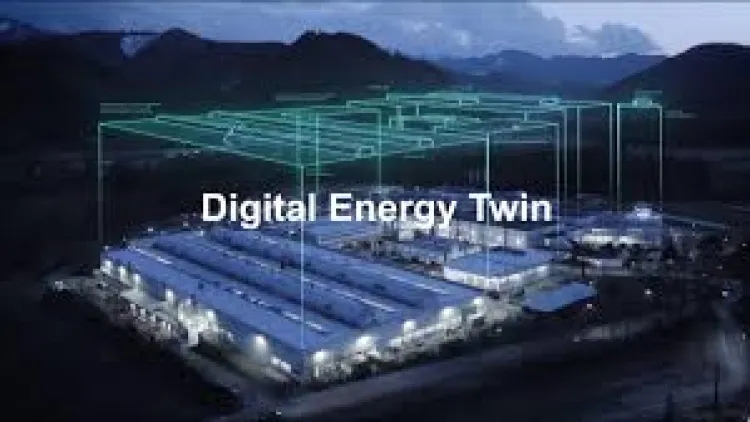
The future of energy is intelligent, and at the heart of this transformation is the digital twin. By creating a virtual, real-time replica of an energy asset, an entire power grid, or a single building, we can move beyond reactive management and into a new era of proactive optimization. Digital twins enable energy professionals to monitor performance, simulate scenarios, predict failures, and test changes in a virtual environment before implementing them in the physical world. This powerful technology is essential for enhancing efficiency, ensuring reliability, and accelerating the integration of renewable energy sources.
This program provides a comprehensive and practical deep dive into the principles and application of digital twin technology for smart energy management. Participants will gain a fundamental understanding of how to build, operate, and leverage digital twins to solve real-world energy challenges. The course covers everything from data collection and integration from sensors and IoT devices to the use of predictive analytics and machine learning to optimize asset performance. By focusing on hands-on exercises and real-world case studies, attendees will be equipped to design, implement, and manage digital twin projects that lead to smarter, more resilient, and more sustainable energy systems.
Curriculum & Topics
15 Topics | 75 Sessions
-
 Workshop 1.1:
The concept of a digital twin
Workshop 1.1:
The concept of a digital twin
-
Workshop 1.2:
The components of a digital twin
-
Workshop 1.3:
The value proposition in the energy sector
-
Workshop 1.4:
The difference between a model, a simulation, and a digital twin
-
Workshop 1.5:
The role of a digital twin in the energy transition
-
Workshop 2.1:
From conception to operation
-
Workshop 2.2:
Data acquisition and integration
-
Workshop 2.3:
The role of a clear and focused research question
-
Workshop 2.4:
Modeling, simulation, and analysis
-
Workshop 2.5:
Optimization and feedback loop
-
Workshop 3.1:
The role of sensors and IoT devices
-
Workshop 3.2:
Data types: from time-series to geospatial
-
Workshop 3.3:
The importance of data quality and integrity
-
Workshop 3.4:
Real-time data streaming and processing
-
Workshop 3.5:
The importance of a "risk and mitigation" plan
-
Workshop 4.1:
Designing a digital twin for an energy asset
-
Workshop 4.2:
The use of a simple scorecard and a dashboard
-
Workshop 4.3:
Selecting the right software and platform
-
Workshop 4.4:
The role of a "data story map"
-
Workshop 4.5:
Creating a digital replica of a wind turbine or solar farm
-
Workshop 5.1:
The difference between reactive, preventive, and predictive maintenance
-
Workshop 5.2:
The use of machine learning for failure prediction
-
Workshop 5.3:
Anomaly detection in real-time data
-
Workshop 5.4:
The importance of a "stakeholder analysis"
-
Workshop 5.5:
Optimizing maintenance schedules to minimize downtime
-
Workshop 6.1:
Using a digital twin for real-time optimization
-
Workshop 6.2:
Simulating the impact of operational changes
-
Workshop 6.3:
The role of a program's theory of change
-
Workshop 6.4:
Optimizing energy consumption in a building
-
Workshop 6.5:
Maximizing the output of a power plant
-
Workshop 7.1:
Creating a digital twin of an entire power grid
-
Workshop 7.2:
Simulating the impact of new energy sources
-
Workshop 7.3:
The role of a clear and compelling KPI
-
Workshop 7.4:
The use of digital twins for grid resilience
-
Workshop 7.5:
Managing a decentralized grid with DERs
-
Workshop 8.1:
The integration of AI into a digital twin
-
Workshop 8.2:
Using ML for forecasting and demand prediction
-
Workshop 8.3:
Reinforcement learning for system control
-
Workshop 8.4:
The importance of a "risk and mitigation" plan
-
Workshop 8.5:
AI-driven insights from digital twin data
-
Workshop 9.1:
The unique security vulnerabilities of digital twins
-
Workshop 9.2:
Protecting the data stream from sensors
-
Workshop 9.3:
The importance of a "data story map"
-
Workshop 9.4:
Securing the digital twin platform
-
Workshop 9.5:
Best practices for a secure digital ecosystem
-
Workshop 10.1:
The role of a digital twin in green building design
-
Workshop 10.2:
Simulating energy performance and daylighting
-
Workshop 10.3:
Optimizing HVAC systems for efficiency
-
Workshop 10.4:
The importance of a simple scorecard and a dashboard
-
Workshop 10.5:
Managing a building's carbon footprint
-
Workshop 11.1:
Case study: A digital twin for a wind farm
-
Workshop 11.2:
Case study: A digital twin for an oil and gas platform
-
Workshop 11.3:
Case study: A digital twin for a smart city energy system
-
Workshop 11.4:
Lessons learned from real-world projects
-
Workshop 11.5:
The future of digital twins in the energy sector
-
Workshop 12.1:
The economic benefits of a digital twin
-
Workshop 12.2:
Calculating the return on investment (ROI)
-
Workshop 12.3:
The role of a "clear and consistent reporting style"
-
Workshop 12.4:
Different business models for implementation
-
Workshop 12.5:
Communicating the value proposition to stakeholders
-
Workshop 13.1:
The lifecycle of a digital twin project
-
Workshop 13.2:
The role of a "stakeholder analysis"
-
Workshop 13.3:
Managing a team of experts
-
Workshop 13.4:
Navigating data governance and security
-
Workshop 13.5:
Best practices for project execution
-
Workshop 14.1:
The importance of data privacy
-
Workshop 14.2:
The role of a clear and focused research question
-
Workshop 14.3:
The ethics of using AI for optimization
-
Workshop 14.4:
Regulatory compliance
-
Workshop 14.5:
Data ownership and licensing
-
Workshop 15.1:
Overview of common digital twin platforms
-
Workshop 15.2:
The use of Python and key libraries
-
Workshop 15.3:
The importance of a clear and focused research question
-
Workshop 15.4:
Data visualization tools
-
Workshop 15.5:
Best practices for code management