
 9 Topics
 5 Days
 36 Sessions
Programme Overview
Training Description
Who Should Attend
This course is ideal for;
- Safety managers
- Supervisors
- Team leaders
- HR managers
- Operations managers
- Senior management
- Safety committee members
- Employees at all levels
- Training managers
- Organizational development specialists
- Consultants focused on safety culture
- Individuals interested in behavioral safety
- Risk managers
Session Objectives
- Understand the principles and importance of safety culture and behavioral safety practices.
- Implement techniques for assessing and analyzing existing safety cultures.
- Understand the role of leadership in fostering a positive safety culture.
- Implement techniques for developing and implementing behavior-based safety (BBS) programs.
- Understand the principles of behavioral observation and feedback.
- Implement techniques for conducting safety perception surveys and interviews.
- Understand the role of positive reinforcement and recognition in promoting safe behaviors.
- Implement techniques for developing and delivering effective safety communication strategies.
- Understand the legal and ethical considerations related to behavioral safety.
- Implement techniques for conducting safety culture audits and evaluations.
- Understand the challenges and opportunities of implementing behavioral safety in diverse workplaces.
- Understand the role of employee participation in safety culture development.
- Develop strategies for continuous improvement in safety culture and behavioral safety practices.
About the Course
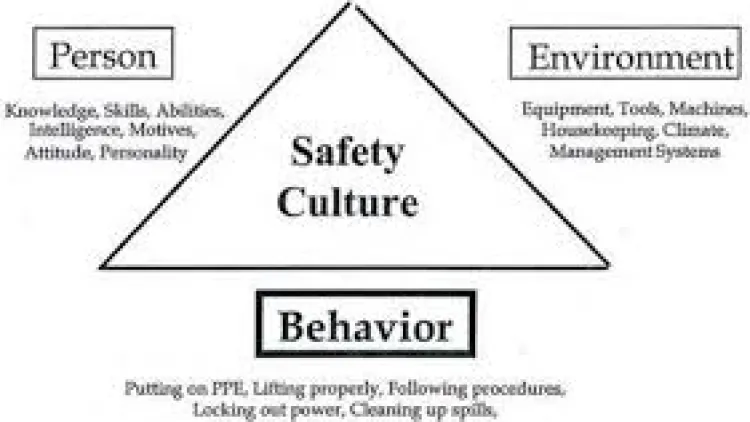
Safety Culture and Behavioral Safety Practices training equips professionals with the methodologies to cultivate a proactive safety environment by influencing attitudes and behaviors at all organizational levels. This course focuses on analyzing existing safety cultures, implementing behavioral observation techniques, and understanding the impact of positive reinforcement on fostering a strong safety ethos. Participants will learn to conduct safety perception surveys, develop behavior-based safety programs, and understand the intricacies of leadership engagement and communication. By mastering safety culture and behavioral safety practices, professionals can enhance overall safety performance, reduce incident rates, and contribute to the creation of a resilient and safety-focused workplace.
The development of a robust safety culture necessitates a comprehensive understanding of human factors and organizational dynamics. This course delves into the nuances of safety leadership, employee engagement, and continuous improvement, empowering participants to develop and implement tailored behavioral safety programs. By integrating psychological principles with practical safety techniques, this program enables individuals to lead safety culture initiatives and contribute to a sustainable culture of safety excellence.
Curriculum & Topics
9 Topics | 36 Sessions
-
 Workshop 1.1:
Principles and importance of safety culture and behavioral safety practices.
Workshop 1.1:
Principles and importance of safety culture and behavioral safety practices.
-
Workshop 1.2:
Understanding the relationship between culture, behavior, and safety performance.
-
Workshop 1.3:
Benefits of a strong safety culture.
-
Workshop 1.4:
Historical context and evolution of safety culture concepts.
-
Workshop 2.1:
Techniques for assessing and analyzing existing safety cultures.
-
Workshop 2.2:
Implementing safety perception surveys and interviews.
-
Workshop 2.3:
Utilizing safety culture assessment tools and models.
-
Workshop 2.4:
Managing safety culture assessments.
-
Workshop 3.1:
Role of leadership in fostering a positive safety culture.
-
Workshop 3.2:
Understanding leadership styles and their impact on safety.
-
Workshop 3.3:
Implementing leadership engagement and communication strategies.
-
Workshop 3.4:
Managing leadership involvement.
-
Workshop 4.1:
Techniques for developing and implementing behavior-based safety (BBS) programs.
-
Workshop 4.2:
Implementing observation and feedback processes.
-
Workshop 4.3:
Utilizing BBS tools and techniques.
-
Workshop 4.4:
Managing BBS programs.
-
Workshop 5.1:
Principles of behavioral observation and feedback.
-
Workshop 5.2:
Understanding observation techniques and data collection.
-
Workshop 5.3:
Implementing effective feedback strategies.
-
Workshop 5.4:
Managing behavioral observations.
-
Workshop 6.1:
Techniques for conducting safety perception surveys and interviews.
-
Workshop 6.2:
Implementing survey design and data analysis.
-
Workshop 6.3:
Utilizing interview techniques and documentation.
-
Workshop 6.4:
Managing perception surveys.
-
Workshop 7.1:
Role of positive reinforcement and recognition in promoting safe behaviors.
-
Workshop 7.2:
Understanding reinforcement principles and techniques.
-
Workshop 7.3:
Implementing recognition programs and incentives.
-
Workshop 7.4:
Managing reinforcement programs.
-
Workshop 8.1:
Techniques for developing and delivering effective safety communication strategies.
-
Workshop 8.2:
Implementing communication plans and channels.
-
Workshop 8.3:
Utilizing communication tools and resources.
-
Workshop 8.4:
Managing safety communications.
-
Workshop 9.1:
Legal and ethical considerations related to behavioral safety.
-
Workshop 9.2:
Understanding privacy and confidentiality issues.
-
Workshop 9.3:
Implementing ethical guidelines and practices.
-
Workshop 9.4:
Managing legal and ethical compliance.