7 Topics
 5 Days
 35 Sessions
Programme Overview
Training Description
- Rural tourism and ecotourism professionals
- Tourism officers and destination managers
- Community development practitioners
- Sustainable tourism specialists
- Ecotourism operators and entrepreneurs
- Tour operators and travel professionals
- Hotel, lodge, and accommodation managers
- Tourism planners and consultants
- National and county/local government tourism officials
- Conservation and environmental management professionals
- Community-based tourism organizations
- Community leaders and local development organizations
Session Objectives
- Understand the principles of rural tourism and ecotourism. Learn to identify and assess tourism resources in rural areas. Explore strategies for developing sustainable tourism products. Understand how to involve local communities in tourism development. Learn about marketing and promoting rural tourism ventures. Understand the environmental and cultural impacts of tourism. Learn to develop a sustainable tourism business plan. Explore the role of policy in supporting rural tourism.
About the Course
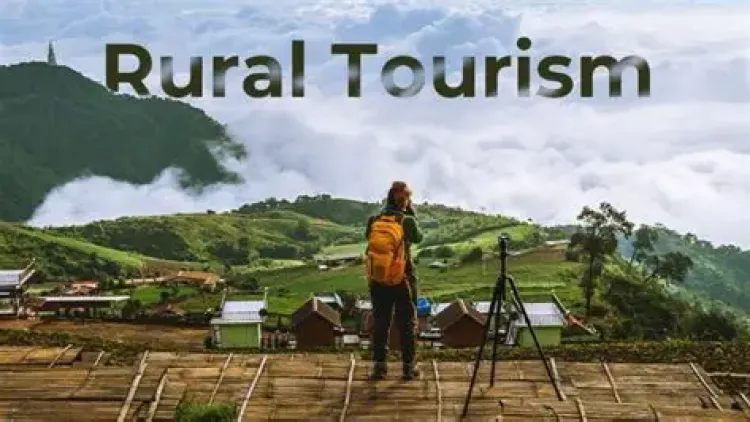
The course explores the principles of sustainable tourism, ecotourism, community-based tourism, rural destination development, environmental conservation, cultural heritage protection, and responsible visitor management. Participants will examine how rural communities can use local landscapes, biodiversity, cultural traditions, agricultural activities, heritage sites, and other unique assets to create sustainable tourism opportunities.Participants will also explore strategies for ensuring that tourism benefits are distributed fairly within local communities, including opportunities for small businesses, women, youth, farmers, artisans, guides, accommodation providers, and community-based organizations.Through case studies, practical exercises, destination-planning activities, and group discussions, participants will learn how to identify tourism opportunities, develop sustainable tourism products, engage local stakeholders, manage environmental and social impacts, and develop viable rural tourism enterprises.The course ultimately aims to strengthen participants' ability to use tourism as a tool for rural economic diversification, employment creation, community empowerment, conservation, cultural preservation, and sustainable local development.
Curriculum & Topics
7 Topics | 35 Sessions
-
 Workshop 1.1:
Defining rural tourism and ecotourism
Workshop 1.1:
Defining rural tourism and ecotourism
-
Workshop 1.2:
Understanding the principles of sustainable tourism
-
Workshop 1.3:
Exploring the benefits of tourism for rural communities
-
Workshop 1.4:
Understanding the different types of rural tourism
-
Workshop 1.5:
Analyzing the global trends in ecotourism
-
Workshop 2.1:
Learning to identify and assess tourism resources in rural areas
-
Workshop 2.2:
Understanding how to map natural and cultural assets
-
Workshop 2.3:
Exploring methods for evaluating tourism potential
-
Workshop 2.4:
Learning about conducting market research
-
Workshop 2.5:
Understanding stakeholder analysis
-
Workshop 3.1:
Exploring strategies for developing sustainable tourism products
-
Workshop 3.2:
Understanding how to design tourism experiences
-
Workshop 3.3:
Learning about product diversification
-
Workshop 3.4:
Exploring the development of tourism packages
-
Workshop 3.5:
Understanding quality control and standards
-
Workshop 4.1:
Understanding how to involve local communities in tourism development
-
Workshop 4.2:
Learning about community-based tourism models
-
Workshop 4.3:
Exploring strategies for benefit sharing
-
Workshop 4.4:
Understanding how to build local capacity
-
Workshop 4.5:
Learning about conflict resolution and negotiation
-
Workshop 5.1:
Learning about marketing and promoting rural tourism ventures
-
Workshop 5.2:
Understanding how to develop a marketing strategy
-
Workshop 5.3:
Exploring different marketing channels (online, offline)
-
Workshop 5.4:
Learning about branding and image building
-
Workshop 5.5:
Understanding how to use social media for tourism promotion
-
Workshop 6.1:
Understanding the environmental and cultural impacts of tourism
-
Workshop 6.2:
Learning about environmental impact assessment
-
Workshop 6.3:
Exploring strategies for minimizing negative impacts
-
Workshop 6.4:
Understanding how to preserve cultural heritage
-
Workshop 6.5:
Learning about responsible tourism practices
-
Workshop 7.1:
Learning to develop a sustainable tourism business plan
-
Workshop 7.2:
Understanding the key components of a business plan
-
Workshop 7.3:
Exploring financial planning and management
-
Workshop 7.4:
Learning about legal and regulatory requirements
-
Workshop 7.5:
Understanding how to secure funding and investment