15 Topics
 5 Days
 60 Sessions
Programme Overview
Training Description
Farmers and agricultural producers
Agricultural engineers and technicians
Renewable energy system designers and installers
Rural development practitioners
Agricultural extension officers and advisors
Energy consultants
Agricultural policymakers and government officials
Researchers and scientists
Agribusiness entrepreneurs
Students of agricultural engineering and renewable energy
Individuals interested in sustainable agriculture
Cooperative managers
Rural electrification specialists
Session Objectives
- Understand the principles and benefits of renewable energy technologies in rural agriculture. Implement techniques for assessing energy needs and resource availability in agricultural settings. Understand the principles and applications of solar photovoltaic systems in agriculture. Implement techniques for designing and installing solar-powered irrigation and processing systems. Understand the principles and applications of wind energy systems in agriculture. Implement techniques for evaluating wind resources and designing wind-powered systems. Understand the principles and applications of biomass energy systems in agriculture.
About the Course
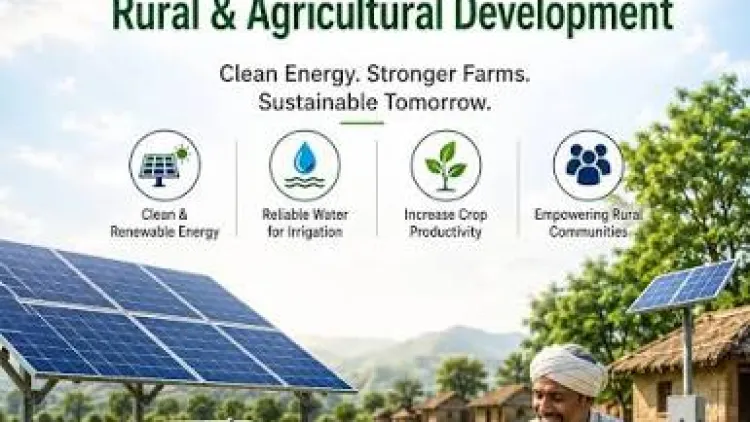
Renewable Energy Technologies for Rural Agriculture equips professionals with the knowledge and skills to integrate sustainable energy solutions into agricultural practices. This course focuses on understanding solar, wind, and biomass energy technologies, and their application in powering irrigation, processing, and other farm operations. Participants will learn to assess energy needs, design renewable energy systems, and manage their implementation. By mastering these technologies, professionals can enhance energy independence, reduce operational costs, and promote environmentally sustainable agriculture in rural areas.
The agricultural sector, particularly in rural settings, can benefit significantly from the adoption of renewable energy technologies. This course delves into the practical aspects of solar photovoltaic systems, wind turbines, and biomass digesters, empowering participants to develop and implement energy-efficient solutions. By integrating technological knowledge with agricultural needs, this program enables individuals to create resilient and sustainable farming systems that reduce reliance on fossil fuels and contribute to a cleaner, more sustainable future for rural communities.
Curriculum & Topics
15 Topics | 60 Sessions
-
 Workshop 1.1:
Principles and benefits of integrating sustainable energy sources.
Workshop 1.1:
Principles and benefits of integrating sustainable energy sources.
-
Workshop 1.2:
Understanding the role of renewable energy in rural development.
-
Workshop 1.3:
Benefits of energy independence and reduced environmental impact.
-
Workshop 1.4:
Historical context and evolving energy solutions.
-
Workshop 2.1:
Techniques for evaluating energy consumption in agricultural operations.
-
Workshop 2.2:
Implementing resource mapping and availability analysis.
-
Workshop 2.3:
Utilizing energy audit and demand forecasting tools.
-
Workshop 2.4:
Managing site-specific energy assessments.
-
Workshop 3.1:
Understanding the principles of solar energy conversion.
-
Workshop 3.2:
Implementing photovoltaic system components and design.
-
Workshop 3.3:
Utilizing solar energy applications for irrigation and processing.
-
Workshop 3.4:
Managing solar system sizing and performance.
-
Workshop 4.1:
Techniques for designing solar-powered irrigation and processing systems.
-
Workshop 4.2:
Implementing solar panel installation and wiring.
-
Workshop 4.3:
Utilizing solar pump and controller configurations.
-
Workshop 4.4:
Managing system commissioning and testing.
-
Workshop 5.1:
Understanding the principles of wind energy conversion.
-
Workshop 5.2:
Implementing wind turbine components and operation.
-
Workshop 5.3:
Utilizing wind energy applications for pumping and power generation.
-
Workshop 5.4:
Managing wind resource assessment and turbine selection.
-
Workshop 6.1:
Techniques for evaluating wind resource potential.
-
Workshop 6.2:
Implementing wind turbine installation and grid connection.
-
Workshop 6.3:
Utilizing wind-powered water pumping and mechanical systems.
-
Workshop 6.4:
Managing system performance and optimization.
-
Workshop 7.1:
Understanding the principles of biomass energy conversion.
-
Workshop 7.2:
Implementing biomass digester and combustion system designs.
-
Workshop 7.3:
Utilizing biomass energy applications for heating and power generation.
-
Workshop 7.4:
Managing biomass feedstock and processing.
-
Workshop 8.1:
Techniques for designing and operating anaerobic digesters.
-
Workshop 8.2:
Implementing biomass combustion and gasification systems.
-
Workshop 8.3:
Utilizing biogas and biochar applications.
-
Workshop 8.4:
Managing system safety and maintenance.
-
Workshop 9.1:
Understanding the role of energy storage in renewable systems.
-
Workshop 9.2:
Implementing battery storage and hybrid systems.
-
Workshop 9.3:
Utilizing grid connection and net metering.
-
Workshop 9.4:
Managing energy storage and grid integration strategies.
-
Workshop 10.1:
Techniques for managing battery storage and charge controllers.
-
Workshop 10.2:
Implementing grid interconnection and synchronization.
-
Workshop 10.3:
Utilizing smart grid and energy management systems.
-
Workshop 10.4:
Managing energy storage system performance and safety.
-
Workshop 11.1:
Understanding renewable energy policies and incentives.
-
Workshop 11.2:
Implementing permitting and licensing procedures.
-
Workshop 11.3:
Utilizing financing options and investment strategies.
-
Workshop 11.4:
Managing economic feasibility and project development.
-
Workshop 12.1:
Understanding the role of preventive maintenance in renewable systems.
-
Workshop 12.2:
Implementing troubleshooting and repair procedures.
-
Workshop 12.3:
Utilizing monitoring and diagnostics tools.
-
Workshop 12.4:
Managing system performance and longevity.
-
Workshop 13.1:
Developing renewable energy awareness and education programs.
-
Workshop 13.2:
Building partnerships with stakeholders and organizations.
-
Workshop 13.3:
Implementing demonstration projects and pilot programs.
-
Workshop 13.4:
Managing technology transfer and dissemination.
-
Workshop 14.1:
Analyzing real-world examples of successful renewable energy projects.
-
Workshop 14.2:
Highlighting best practices and innovative approaches.Documenting energy savings and economic benefits.
-
Workshop 14.3:
Farmer and energy specialist testimonials.
-
Workshop 14.4:
Documenting energy savings and economic benefits.
-
Workshop 15.1:
Exploring emerging technologies and innovations in renewable energy.
-
Workshop 15.2:
Integrating smart agriculture and energy management systems.
-
Workshop 15.3:
Adapting to evolving energy policies and market dynamics.
-
Workshop 15.4:
Building resilient and sustainable energy-powered farms.