
 15 Topics
 5 Days
Programme Overview
Training Description
Who Should Attend
- Project Controls Professionals
- Business Analysts
- Project Management Consultants
- Operations Managers
- Strategy and Planning Professionals
- Risk and Compliance Professionals
- Change Management Professionals
- Agile and Transformation Leaders
- Senior Managers responsible for project governance
- Professionals establishing or transforming a PMO
Session Objectives
- Understand the role and value of a PMO
- Understand the role and value of a PMO
- Master the process of establishing a new PMO
- Develop a strategic project portfolio
- Implement project management methodologies
- Define and standardize project processes
- Create a robust PMO governance framework
- Measure and report on project performance
- Manage change and gain organizational buy-in
- Prepare for a PMO-related professional certification
About the Course
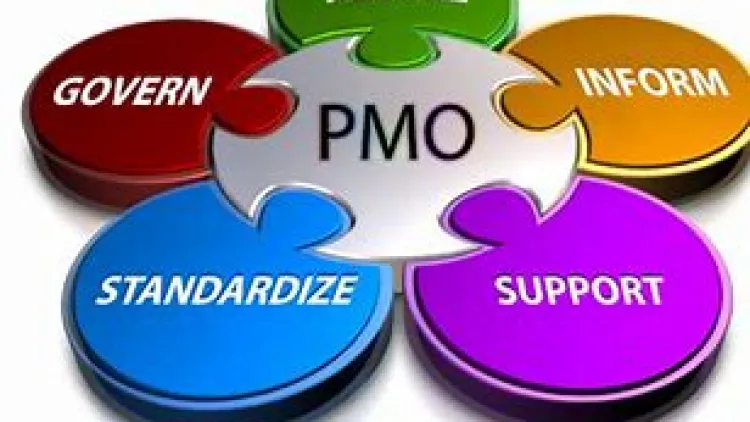
The Project Management Office (PMO) Professional Training Course is designed to equip professionals with the knowledge and practical skills required to establish, operate, manage, and continuously improve effective Project Management Offices. The course explores how PMOs can provide governance, standardization, portfolio visibility, project support, performance oversight, resource coordination, and strategic alignment across organizations.
Participants will learn how to design PMO structures, define PMO roles and services, establish project management standards, develop governance frameworks, monitor project performance, manage project portfolios, coordinate resources, and support organizational decision-making. The course also examines modern PMO practices, Agile and hybrid PMOs, digital PMO tools, data-driven reporting, and the evolving role of PMOs as strategic business partners.
Curriculum & Topics
15 Topics | 5 Days
-
 Subtopic 1.1:
What is a PMO and why is it important
Subtopic 1.1:
What is a PMO and why is it important
-
Subtopic 1.2:
The evolution of the PMO
-
Subtopic 1.3:
The business case for establishing a PMO
-
Subtopic 1.4:
Common PMO types and models
-
Subtopic 1.5:
The PMO's role in the organization
-
Subtopic 2.1:
The PMO implementation roadmap
-
Subtopic 2.2:
Gaining leadership and stakeholder buy-in
-
Subtopic 2.3:
Defining the PMO's mission and vision
-
Subtopic 2.4:
The importance of a PMO charter
-
Subtopic 2.5:
Identifying and documenting PMO services
-
Subtopic 3.1:
Creating a project governance structure
-
Subtopic 3.2:
Defining roles and responsibilities
-
Subtopic 3.3:
The importance of a project management methodology
-
Subtopic 3.4:
Establishing standardized processes and templates
-
Subtopic 3.5:
The role of a project steering committee
-
Subtopic 4.1:
Differentiating between projects, programs, and portfolios
-
Subtopic 4.2:
The process of portfolio selection and prioritization
-
Subtopic 4.3:
Aligning projects with strategic objectives
-
Subtopic 4.4:
Managing a project portfolio dashboard
-
Subtopic 4.5:
The importance of resource capacity planning
-
Subtopic 5.1:
An overview of Waterfall, Agile, and Hybrid models
-
Subtopic 5.2:
Deciding which methodology to use
-
Subtopic 5.3:
Tailoring methodologies for specific projects
-
Subtopic 5.4:
The role of the PMO in promoting best practices
-
Subtopic 5.5:
Implementing a standardized methodology
-
Subtopic 6.1:
Standardizing risk management processes
-
Subtopic 6.2:
Creating a common risk register
-
Subtopic 6.3:
The role of the PMO in risk escalation
-
Subtopic 6.4:
Reporting on portfolio-level risks
-
Subtopic 6.5:
The importance of a risk mitigation plan
-
Subtopic 7.1:
The PMO's role in quality assurance
-
Subtopic 7.2:
Defining project quality standards
-
Subtopic 7.3:
Conducting project audits and health checks
-
Subtopic 7.4:
Ensuring compliance with organizational policies
-
Subtopic 7.5:
The importance of continuous improvement
-
Subtopic 8.1:
Defining key performance indicators (KPIs)
-
Subtopic 8.2:
Creating a portfolio-level performance dashboard
-
Subtopic 8.3:
The importance of consistent status reporting
-
Subtopic 8.4:
Using Earned Value Management (EVM)
-
Subtopic 8.5:
Communicating project performance to leadership
-
Subtopic 9.1:
Developing a resource management framework
-
Subtopic 9.2:
The role of the PMO in resource allocation
-
Subtopic 9.3:
Managing resource conflicts and dependencies
-
Subtopic 9.4:
Forecasting resource needs for future projects
-
Subtopic 9.5:
The importance of a central resource pool
-
Subtopic 10.1:
The role of project management software
-
Subtopic 10.2:
Selecting and implementing a PMO tool
-
Subtopic 10.3:
The importance of a centralized project repository
-
Subtopic 10.4:
Using business intelligence (BI) tools
-
Subtopic 10.5:
Best practices for tool adoption
-
Subtopic 11.1:
The PMO's role in project budgeting
-
Subtopic 11.2:
Tracking and forecasting project costs
-
Subtopic 11.3:
The importance of project financial reporting
-
Subtopic 11.4:
Managing project funding and capital
-
Subtopic 11.5:
The impact of PMO on financial performance
-
Subtopic 12.1:
The importance of a PMO in organizational change
-
Subtopic 12.2:
Managing the transition to new processes
-
Subtopic 12.3:
Communicating the value of the PMO
-
Subtopic 12.4:
Gaining buy-in from reluctant stakeholders
-
Subtopic 12.5:
The role of a change management plan
-
Subtopic 13.1:
The PMO's role in an Agile environment
-
Subtopic 13.2:
Supporting Agile teams and ceremonies
-
Subtopic 13.3:
Agile portfolio management
-
Subtopic 13.4:
Using metrics to measure Agile success
-
Subtopic 13.5:
The evolving role of the PMO
-
Subtopic 14.1:
The skills needed to succeed in a PMO
-
Subtopic 14.2:
The role of a PMO analyst, specialist, and director
-
Subtopic 14.3:
Preparing for PMO-related certifications
-
Subtopic 14.4:
Building a professional development plan
-
Subtopic 14.5:
Networking with other PMO professionals
-
Subtopic 15.1:
Analyzing successful PMO implementations
-
Subtopic 15.2:
Learning from PMO failures
-
Subtopic 15.3:
Applying PMO concepts to real-world scenarios
-
Subtopic 15.4:
The importance of a continuous learning mindset
-
Subtopic 15.5:
Group discussions and analysis