10 Topics
 5 Days
 40 Sessions
Programme Overview
Training Description
Who Should Attend
This course is ideal for;
- Safety managers
- Supervisors
- Team leaders
- HR professionals
- Compliance officers
- Industrial hygienists
- Construction workers
- Healthcare workers
- Laboratory technicians
- Individuals responsible for PPE programs
- Procurement specialists
- Training managers
Session Objectives
- Understand the principles and importance of personal protective equipment (PPE) standards and best practices.
- Implement techniques for conducting hazard assessments and selecting appropriate PPE.
- Understand the role of regulatory standards and compliance in PPE programs.
- Implement techniques for developing and implementing PPE training programs.
- Understand the principles of proper PPE fitting, use, and maintenance.
- Understand the role of PPE in specific industries and applications.
- Implement techniques for conducting PPE inspections and audits.
- Implement techniques for managing PPE inventory and procurement.
- Understand the legal and ethical considerations related to PPE use.
- Implement techniques for evaluating and improving PPE programs.
- Understand the challenges and opportunities of implementing PPE programs in diverse workplaces.
- Understand the role of employee participation in PPE selection and usage.
- Develop strategies for continuous improvement in PPE management.
About the Course
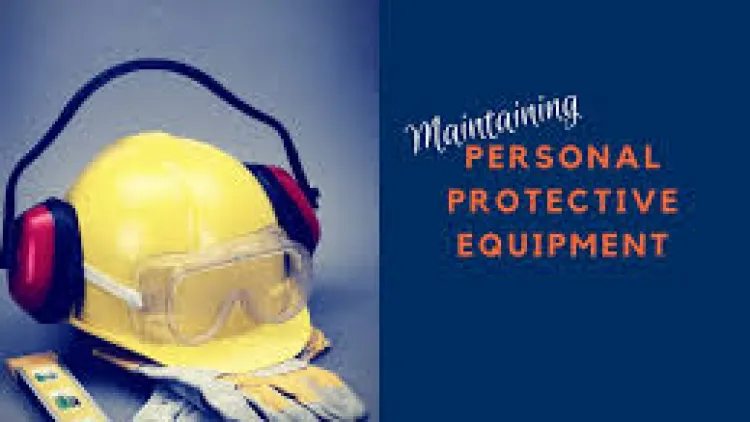
Personal Protective Equipment (PPE) Standards and Best Practices training equips professionals with the methodologies to ensure proper selection, use, and maintenance of PPE, enhancing workplace safety and minimizing injury risks. This course focuses on analyzing hazard assessments, implementing PPE standards, and understanding the impact of effective PPE programs on worker protection. Participants will learn to conduct PPE assessments, develop PPE training programs, and understand the intricacies of PPE inspection and maintenance. By mastering PPE standards and best practices, professionals can enhance worker safety, reduce occupational injuries, and contribute to the creation of a secure and compliant work environment.
The proper use of PPE is critical in mitigating workplace hazards and ensuring worker safety. This course delves into the nuances of PPE selection, fitting, and compliance, empowering participants to develop and implement tailored PPE programs. By integrating regulatory requirements with practical safety techniques, this program enables individuals to lead initiatives that promote worker protection and prevent occupational injuries.
Curriculum & Topics
10 Topics | 40 Sessions
-
 Workshop 1.1:
Principles and importance of personal protective equipment (PPE) standards and best practices.
Workshop 1.1:
Principles and importance of personal protective equipment (PPE) standards and best practices.
-
Workshop 1.2:
Understanding the relationship between PPE and workplace safety.
-
Workshop 1.3:
Benefits of effective PPE programs.
-
Workshop 1.4:
Historical context and evolution of PPE standards.
-
Workshop 2.1:
Techniques for conducting hazard assessments and selecting appropriate PPE.
-
Workshop 2.2:
Implementing risk assessments and hazard identification methods.
-
Workshop 2.3:
Utilizing PPE selection guides and standards.
-
Workshop 2.4:
Managing PPE selection.
-
Workshop 3.1:
Role of regulatory standards and compliance in PPE programs.
-
Workshop 3.2:
Understanding OSHA standards and industry-specific regulations.
-
Workshop 3.3:
Implementing compliance strategies and documentation.
-
Workshop 3.4:
Managing regulatory compliance.
-
Workshop 4.1:
Techniques for developing and implementing PPE training programs.
-
Workshop 4.2:
Implementing training modules and content.
-
Workshop 4.3:
Utilizing training aids and resources.
-
Workshop 4.4:
Managing PPE training.
-
Workshop 5.1:
Principles of proper PPE fitting, use, and maintenance.
-
Workshop 5.2:
Understanding fitting guidelines and user instructions.
-
Workshop 5.3:
Implementing maintenance and cleaning procedures.
-
Workshop 5.4:
Managing PPE maintenance.
-
Workshop 6.1:
Techniques for conducting PPE inspections and audits.
-
Workshop 6.2:
Implementing inspection checklists and procedures.
-
Workshop 6.3:
Utilizing audit tools and techniques.
-
Workshop 6.4:
Managing PPE inspections.
-
Workshop 7.1:
Role of PPE in specific industries and applications.
-
Workshop 7.2:
Understanding PPE requirements for construction, healthcare, and laboratories.
-
Workshop 7.3:
Implementing industry-specific PPE protocols.
-
Workshop 7.4:
Managing industry-specific PPE.
-
Workshop 8.1:
Techniques for managing PPE inventory and procurement.
-
Workshop 8.2:
Implementing inventory control and tracking systems.
-
Workshop 8.3:
Utilizing procurement strategies and vendor management.
-
Workshop 8.4:
Managing PPE inventory.
-
Workshop 9.1:
Legal and ethical considerations related to PPE use.
-
Workshop 9.2:
Understanding liability and responsibility.
-
Workshop 9.3:
Implementing ethical guidelines and practices.
-
Workshop 9.4:
Managing legal and ethical compliance.
-
Workshop 10.1:
Techniques for evaluating and improving PPE programs.
-
Workshop 10.2:
Implementing program evaluation metrics and feedback mechanisms.
-
Workshop 10.3:
Utilizing data analysis and reporting.
-
Workshop 10.4:
Managing program evaluations.