15 Topics
 10 Days
 42 Sessions
Programme Overview
Training Description
Who Should Attend
This training course is designed for:
- Marketing Professionals: Who want to enhance their understanding of consumer behavior to create more targeted and impactful campaigns.
- Brand Managers: Seeking to improve brand engagement by leveraging psychological principles.
- Advertising Executives: Interested in applying neuro-marketing techniques to optimize advertisements.
- Product Managers: Who need to understand how consumers think and feel to improve product design and marketing strategies.
- Business Owners and Entrepreneurs: Aiming to develop a deeper understanding of consumer decision-making to refine their marketing strategies.
- Marketing Researchers: Wanting to dive deeper into consumer neuroscience and psychology to better understand purchasing behavior.
Session Objectives
- Understand the Fundamentals of Neuro-marketing: Learn the basic principles of neuro-marketing and how the brain processes consumer-related stimuli.
- Analyze Consumer Behavior through Psychology: Gain insight into the cognitive and emotional factors that influence consumer decisions and how to use this knowledge to drive sales.
- Apply Neuromarketing Techniques in Marketing Campaigns: Learn practical strategies to integrate neuro-marketing principles into marketing campaigns, from advertisements to product placements.
- Measure and Optimize Marketing Campaigns: Understand how to use consumer psychology and neuroscience to optimize campaign effectiveness and ROI.
- Explore Ethical Considerations in Neuro-marketing: Understand the ethical implications of neuro-marketing and the responsible use of consumer psychology in marketing.
- Leverage Emotional Triggers: Learn how to use emotions to create lasting connections with customers and influence their decision-making processes.
About the Course
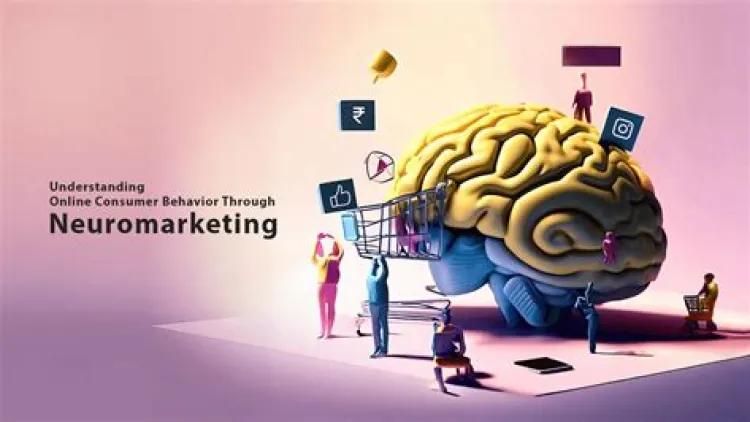
In today’s highly competitive marketplace, understanding consumer behavior is crucial for businesses looking to engage effectively with their target audience. Neuro-marketing, an interdisciplinary field that combines neuroscience and marketing, provides insights into how consumers make purchasing decisions, influenced by their emotions, cognition, and subconscious triggers. This course explores how the brain processes information, responds to marketing stimuli, and ultimately drives consumer behavior. Participants will learn how to apply these insights to develop more effective marketing strategies, optimize campaigns, and create stronger emotional connections with consumers.
Curriculum & Topics
15 Topics | 42 Sessions
-
 Workshop 1.1:
• Understanding the intersection of neuroscience, psychology, and marketing.
Workshop 1.1:
• Understanding the intersection of neuroscience, psychology, and marketing.
-
Workshop 1.2:
• History and evolution of neuro-marketing.
-
Workshop 1.3:
• Key concepts and terminologies in neuro-marketing.
-
Workshop 2.1:
• How the brain processes sensory information.
-
Workshop 2.2:
• Understanding the role of emotions and cognition in consumer decision-making.
-
Workshop 2.3:
• The subconscious brain’s influence on purchasing behavior.
-
Workshop 3.1:
• Emotional drivers of consumer behavior.
-
Workshop 3.2:
• The impact of emotions on brand loyalty and consumer perception.
-
Workshop 3.3:
• Techniques to trigger emotional responses in marketing.
-
Workshop 4.1:
• The science behind decision-making.
-
Workshop 4.2:
• How consumers evaluate choices and make final purchasing decisions.
-
Workshop 4.3:
• The role of cognitive biases in consumer choices.
-
Workshop 5.1:
• Understanding psychological models such as the Theory of Planned Behavior, Maslow’s Hierarchy of Needs, and the Fogg Behavior Model.
-
Workshop 5.2:
• Applying these theories to marketing strategies.
-
Workshop 6.1:
• Introduction to neuro-marketing technologies: EEG, eye-tracking, facial recognition, and fMRI.
-
Workshop 6.2:
• Understanding data collection and interpretation in consumer neuroscience.
-
Workshop 7.1:
• How brand identities and perceptions influence consumer behavior.
-
Workshop 7.2:
• The psychology of logos, colors, and design elements.
-
Workshop 7.3:
• Building emotional connections through branding.
-
Workshop 8.1:
• How sensory experiences influence consumer behavior (sight, sound, taste, touch, and smell).
-
Workshop 8.2:
• Creating multi-sensory marketing strategies to enhance customer experience.
-
Workshop 9.1:
• The role of attention in marketing communications.
-
Workshop 9.2:
• How memory affects brand recall and customer loyalty.
-
Workshop 9.3:
• Strategies to improve consumer attention and memory retention.
-
Workshop 10.1:
• How consumer behavior is influenced by peers, reviews, and social groups.
-
Workshop 10.2:
• The concept of social proof and its impact on purchasing decisions.
-
Workshop 10.3:
• Applying social influence strategies in marketing campaigns.
-
Workshop 11.1:
• Understanding how the brain perceives price and value.
-
Workshop 11.2:
• Psychological pricing strategies that influence consumer perception.
-
Workshop 11.3:
• How discounts, sales, and promotions impact purchasing behavior.
-
Workshop 12.1:
• The psychological factors that contribute to consumer trust.
-
Workshop 12.2:
• How brands can build long-term relationships through psychological techniques.
-
Workshop 12.3:
• Trust-building strategies for brand loyalty.
-
Workshop 13.1:
• The ethical challenges of using consumer psychology and neuroscience.
-
Workshop 13.2:
• Responsible use of neuro-marketing practices in marketing.
-
Workshop 13.3:
• Balancing consumer well-being with business goals.
-
Workshop 14.1:
• Real-world examples of neuro-marketing in action.
-
Workshop 14.2:
• Analyzing successful neuro-marketing campaigns.
-
Workshop 14.3:
• Lessons learned from case studies in consumer psychology.
-
Workshop 15.1:
• The future of neuro-marketing and advancements in technology.
-
Workshop 15.2:
• How AI and machine learning are shaping the future of consumer research.
-
Workshop 15.3:
• Predicting consumer behavior trends through neuroscience.