8 Topics
 5 Days
 40 Sessions
Programme Overview
Training Description
- Rural development practitioners
- Migration and mobility professionals
- Government migration and development officers
- Rural economic development officers
- Community development practitioners
- Labour and employment professionals
- Social protection specialists
- Livelihoods and poverty reduction practitioners
- NGO and international development organization staff
- Local and county government officials
- Diaspora engagement and remittance programme professionals
- Agricultural development specialists
Session Objectives
- Analyze the drivers and patterns of migration in rural contexts. Assess the socio-economic impacts of migration on rural communities. Explore the role of remittances and diaspora engagement in rural development. Understand the challenges and opportunities of integrating migrants in rural areas. Learn about policy frameworks and interventions for managing migration flows.
About the Course
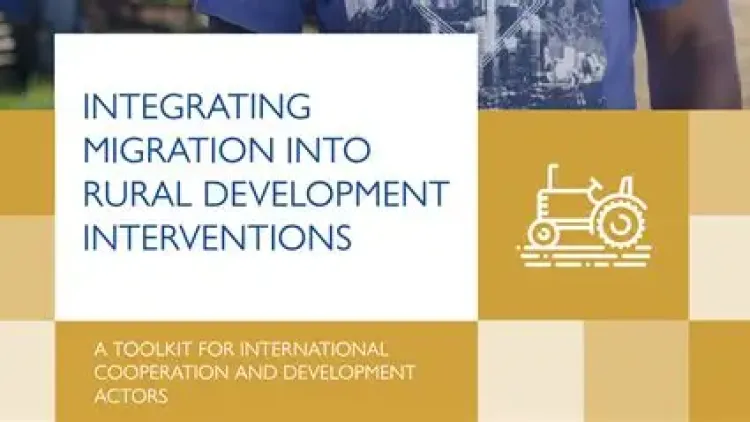
The Migration, Remittances and Sustainable Rural Development Training Course examines the relationship between migration and rural economic and social development. The course provides participants with practical knowledge for understanding how rural-urban migration, international migration, seasonal migration, labour mobility, diaspora engagement, and remittances influence households, communities, local economies, and development outcomes.Participants will also explore the links between migration, climate resilience, digital transformation, youth employment, women's economic empowerment, rural entrepreneurship, informal economies, and urban-rural linkages. Particular attention is given to strategies that enable rural communities to benefit from migration while strengthening local livelihood opportunities.Through case studies, practical exercises, policy analysis, and group discussions, participants will develop skills for assessing migration-development linkages and designing programmes that harness migration as a contributor to inclusive economic growth, sustainable livelihoods, rural resilience, and community development.
Curriculum & Topics
8 Topics | 40 Sessions
-
 Workshop 1.1:
Defining migration and rural development
-
Workshop 1.2:
Understanding the linkages between migration and rural development
-
Workshop 1.3:
Exploring the different types and patterns of migration
-
Workshop 1.4:
Understanding the global and regional trends in migration
-
Workshop 1.5:
Analyzing the historical context of migration in rural areas
-
Workshop 2.1:
Analyzing the economic, social, and environmental drivers of migration
-
Workshop 2.2:
Exploring the push and pull factors influencing rural out-migration
-
Workshop 2.3:
Understanding the role of poverty, inequality, and land tenure
-
Workshop 2.4:
Analyzing the impact of climate change and environmental degradation
-
Workshop 2.5:
Understanding the demographic trends and migration patterns
-
Workshop 3.1:
Assessing the impacts of migration on labor markets and agriculture
-
Workshop 3.2:
Analyzing the effects on household income, consumption, and investment
-
Workshop 3.3:
Exploring the social consequences of migration on families and communities
-
Workshop 3.4:
Understanding the impact on education, health, and social services
-
Workshop 3.5:
Analyzing the gender dimensions of migration and its impacts
-
Workshop 4.1:
Exploring the role of remittances in rural development
-
Workshop 4.2:
Understanding the channels and mechanisms for sending remittances
-
Workshop 4.3:
Analyzing the impact of remittances on poverty reduction and investment
-
Workshop 4.4:
Understanding strategies for engaging the diaspora in rural development
-
Workshop 4.5:
Exploring best practices in maximizing the developmental impact of remittances
-
Workshop 5.1:
Understanding the challenges and opportunities of integrating migrants
-
Workshop 5.2:
Exploring the social, economic, and cultural aspects of integration
-
Workshop 5.3:
Analyzing the barriers to integration in rural communities
-
Workshop 5.4:
Understanding strategies for promoting social cohesion and inclusion
-
Workshop 5.5:
Exploring best practices in providing services and support to migrants
-
Workshop 6.1:
Analyzing national and international policy frameworks on migration
-
Workshop 6.2:
Exploring policy interventions for managing migration flows
-
Workshop 6.3:
vUnderstanding the role of local governments in migration management
-
Workshop 6.4:
Analyzing the effectiveness of different policy tools and instruments
-
Workshop 6.5:
Exploring the role of international cooperation and partnerships
-
Workshop 7.1:
Exploring strategies for maximizing the benefits of migration
-
Workshop 7.2:
Understanding how to mitigate the negative impacts of migration
-
Workshop 7.3:
Analyzing best practices in using migration for rural development
-
Workshop 7.4:
Understanding the link between migration and the SDGs
-
Workshop 7.5:
Exploring innovative approaches to migration management and development
-
Workshop 8.1:
N/A
-
Workshop 8.2:
N/A
-
Workshop 8.3:
N/A
-
Workshop 8.4:
N/A
-
Workshop 8.5:
N/A