14 Topics
 5 Days
Programme Overview
Training Description
Who Should Attend
This course is ideal for;
- Project Managers
- Scrum Masters
- Product Owners
- Team Leads
- Business Analysts
- Software Developers
- Quality Assurance Professionals
- Organizational Leaders
- Anyone new to Agile methodologies
Session Objectives
- Understand the unique lifecycle of AI projects
- Differentiate between traditional and AI project management
- Learn to manage the iterative and experimental nature of AI
- Master techniques for data governance and project planning
- Use AI tools for project automation and forecasting
- Understand the ethical and bias considerations in AI projects
- Develop a roadmap for scaling AI initiatives
- Effectively communicate complex technical concepts to stakeholders
- Manage risks and uncertainties inherent in AI development
- Create a framework for measuring the success and ROI of AI projects
About the Course
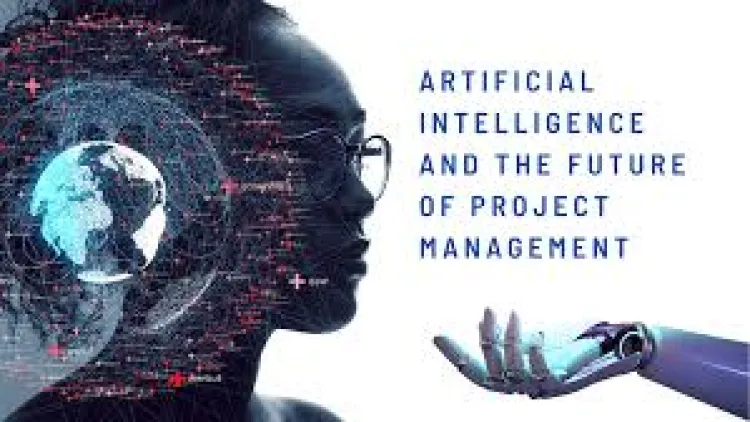
The landscape of project management is being fundamentally reshaped by artificial intelligence. This "Mastering the Future: Cognitive Project Management in AI Training Course" is a cutting-edge program designed for professionals who need to navigate the unique challenges and opportunities of leading AI-powered projects. From understanding the nuances of machine learning lifecycles to leveraging AI tools for project automation and risk mitigation, this course will equip you with the advanced skills required to drive successful and impactful AI initiatives in any organization.
Over this intensive 10-day course, you will learn how to apply cognitive principles to project management, moving beyond traditional methodologies to embrace an adaptive, data-driven approach. You will gain a deep understanding of the AI development lifecycle, stakeholder management in an AI context, and the ethical considerations that are paramount to success. By the end of this program, you will not only be proficient in managing AI projects but will also be able to strategically integrate AI into your organization's project portfolio, positioning yourself as a visionary leader in this transformative field.
Curriculum & Topics
14 Topics | 5 Days
-
 Subtopic 1.1:
The shift from traditional to cognitive project management
Subtopic 1.1:
The shift from traditional to cognitive project management
-
Subtopic 1.2:
The core principles of CPMAI
-
Subtopic 1.3:
Understanding the AI development lifecycle
-
Subtopic 1.4:
Key differences between managing software and AI projects
-
Subtopic 1.5:
The role of the AI Project Manager
-
Subtopic 2.1:
From ideation to deployment
-
Subtopic 2.2:
Data collection and preparation
-
Subtopic 2.3:
Model development and training
-
Subtopic 2.4:
Validation and testing of AI models
-
Subtopic 2.5:
The continuous improvement loop
-
Subtopic 3.1:
The importance of data quality
-
Subtopic 3.2:
Data governance and security
-
Subtopic 3.3:
Sourcing and handling large datasets
-
Subtopic 3.4:
Data labeling and annotation strategies
-
Subtopic 3.5:
The ethical implications of data
-
Subtopic 4.1:
Applying Agile principles to AI projects
-
Subtopic 4.2:
The iterative nature of model development
-
Subtopic 4.3:
The use of sprints and backlogs in an AI context
-
Subtopic 4.4:
Managing scope creep with data-driven insights
-
Subtopic 4.5:
Retrospectives and continuous learning
-
Subtopic 5.1:
Identifying and engaging key stakeholders
-
Subtopic 5.2:
Communicating project progress effectively
-
Subtopic 5.3:
Managing expectations around model performance
-
Subtopic 5.4:
The role of explainable AI (XAI) in stakeholder communication
-
Subtopic 5.5:
Building trust and transparency
-
Subtopic 6.1:
The challenge of estimating in an AI project
-
Subtopic 6.2:
Using a phased approach to planning
-
Subtopic 6.3:
Risk management and mitigation strategies
-
Subtopic 6.4:
Budgeting for data, compute, and talent
-
Subtopic 6.5:
The importance of a flexible roadmap
-
Subtopic 7.1:
Using AI tools for scheduling and resource allocation
-
Subtopic 7.2:
Predicting project risks and delays with machine learning
-
Subtopic 7.3:
Automating reporting and status updates
-
Subtopic 7.4:
The role of natural language processing (NLP) in project communication
-
Subtopic 7.5:
The future of AI-powered project management
-
Subtopic 8.1:
Understanding bias in data and models
-
Subtopic 8.2:
The ethical considerations of AI development
-
Subtopic 8.3:
Techniques for mitigating bias
-
Subtopic 8.4:
Regulatory and compliance requirements
-
Subtopic 8.5:
Building a framework for responsible AI
-
Subtopic 9.1:
The importance of a robust MLOps pipeline
-
Subtopic 9.2:
Continuous integration and continuous delivery for AI
-
Subtopic 9.3:
Monitoring model performance in production
-
Subtopic 9.4:
Managing versioning and updates
-
Subtopic 9.5:
The role of the PM in the deployment process
-
Subtopic 10.1:
Defining success metrics beyond traditional KPIs
-
Subtopic 10.2:
Measuring business value and ROI
-
Subtopic 10.3:
The importance of user adoption metrics
-
Subtopic 10.4:
A/B testing and experimentation
-
Subtopic 10.5:
Creating a portfolio of AI projects
-
Subtopic 11.1:
Building a multi-disciplinary team
-
Subtopic 11.2:
The role of the Project Manager as a coach
-
Subtopic 11.3:
Fostering a culture of experimentation and psychological safety
-
Subtopic 11.4:
Managing conflict and collaboration
-
Subtopic 11.5:
Leading without authority
-
Subtopic 12.1:
Analyzing successful and failed AI projects
-
Subtopic 12.2:
Lessons learned from real-world scenarios
-
Subtopic 12.3:
Identifying common pitfalls and how to avoid them
-
Subtopic 12.4:
Applying best practices to a case study
-
Subtopic 12.5:
Peer-to-peer discussion and analysis
-
Subtopic 13.1:
The challenges of scaling from pilot to production
-
Subtopic 13.2:
Creating a blueprint for enterprise-wide adoption
-
Subtopic 13.3:
The role of governance and oversight
-
Subtopic 13.4:
Managing the portfolio of AI projects
-
Subtopic 13.5:
Strategic planning for future AI investments
-
Subtopic 14.1:
The unique risks of AI projects
-
Subtopic 14.2:
Techniques for identifying and assessing risks
-
Subtopic 14.3:
Creating a proactive risk mitigation plan
-
Subtopic 14.4:
Managing uncertainty in model performance
-
Subtopic 14.5:
Contingency planning