15 Topics
 5 Days
 60 Sessions
Programme Overview
Training Description
Livestock farmers and farm managers
Biogas plant operators and technicians
Environmental consultants and engineers
Renewable energy project developers
Agricultural extension officers and advisors
Waste management professionals
Rural development practitioners
Agricultural educators
Researchers and scientists
Sustainability officers
Energy auditors and managers
Students of environmental science and agriculture
Individuals interested in renewable energy and waste management
Session Objectives
- Understand the principles and benefits of livestock waste management and biogas production. Implement techniques for collecting and handling livestock waste. Understand the process of anaerobic digestion and biogas production. Implement techniques for designing and operating biogas systems. Understand the role of digestate as a sustainable fertilizer. Implement techniques for utilizing digestate in agriculture and horticulture. Understand the environmental impacts of livestock waste and the benefits of biogas technology. Implement techniques for managing biogas plant safety and maintenance.
About the Course
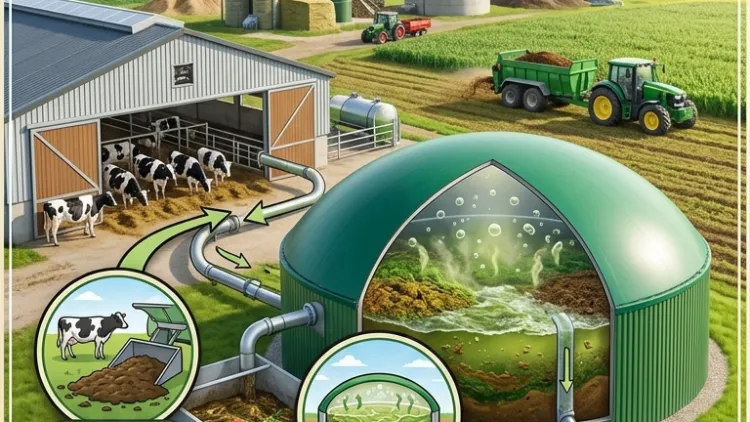
Livestock Waste Management and Biogas Production equips farmers, environmental professionals, and renewable energy enthusiasts with the knowledge and skills to transform livestock waste into valuable resources. This course focuses on implementing effective waste management strategies, understanding biogas production processes, and utilizing digestate as a sustainable fertilizer. Participants will learn to design and operate biogas systems, reduce environmental pollution, and generate renewable energy. By mastering livestock waste management and biogas production, professionals can enhance farm sustainability, reduce operational costs, and contribute to a circular economy.
Livestock waste presents both a challenge and an opportunity. This course explores the scientific principles behind anaerobic digestion, the engineering aspects of biogas systems, and the agronomic benefits of digestate application. By integrating waste management practices with renewable energy technologies, this program empowers participants to create sustainable and profitable solutions that minimize environmental impact and maximize resource utilization.
Curriculum & Topics
15 Topics | 60 Sessions
-
 Workshop 1.1:
Principles and benefits of converting waste to resources.
-
Workshop 1.2:
Understanding the role of biogas in sustainable agriculture.
-
Workshop 1.3:
Benefits of reducing environmental pollution.
-
Workshop 1.4:
Historical context and modern waste management practices.
-
Workshop 2.1:
Techniques for efficient manure collection and transport.
-
Workshop 2.2:
Implementing storage systems and pre-treatment methods.
-
Workshop 2.3:
Utilizing solid-liquid separation and slurry management.
-
Workshop 2.4:
Managing waste volume and composition analysis.
-
Workshop 3.1:
Understanding the biochemical processes of biogas formation.
-
Workshop 3.2:
Implementing anaerobic digestion parameters and control.
-
Workshop 3.3:
Utilizing different digester types and configurations.
-
Workshop 3.4:
Managing biogas composition and quality.
-
Workshop 4.1:
Techniques for designing and constructing biogas plants.
-
Workshop 4.2:
Implementing system components and integration.
-
Workshop 4.3:
Utilizing process monitoring and control systems.
-
Workshop 4.4:
Managing digester startup and operation.
-
Workshop 5.1:
Understanding the nutrient composition and benefits of digestate.
-
Workshop 5.2:
Implementing digestate application methods and rates.
-
Workshop 5.3:
Utilizing digestate storage and handling.
-
Workshop 5.4:
Managing soil fertility and crop response.
-
Workshop 6.1:
Techniques for utilizing digestate in field crops and pastures.
-
Workshop 6.2:
Implementing digestate application in greenhouses and nurseries.
-
Workshop 6.3:
Utilizing digestate for composting and soil amendments.
-
Workshop 6.4:
Managing digestate quality and safety.
-
Workshop 7.1:
Understanding the environmental impacts of livestock waste.
-
Workshop 7.2:
Implementing pollution reduction strategies.
-
Workshop 7.3:
Utilizing greenhouse gas emission reduction.
-
Workshop 7.4:
Managing odor control and sanitation.
-
Workshop 8.1:
Techniques for implementing safety protocols and procedures.
-
Workshop 8.2:
Utilizing equipment maintenance and inspections.
-
Workshop 8.3:
Implementing emergency response plans.
-
Workshop 8.4:
Managing biogas plant operations and troubleshooting.
-
Workshop 9.1:
Techniques for optimizing biogas production and utilization.
-
Workshop 9.2:
Implementing heat recovery and cogeneration.
-
Workshop 9.3:
Utilizing biogas upgrading and purification.
-
Workshop 9.4:
Managing energy audits and performance assessments.
-
Workshop 10.1:
Techniques for assessing the economic viability of biogas projects.
-
Workshop 10.2:
Implementing cost-benefit analysis and financial modeling.
-
Workshop 10.3:
Utilizing grant and incentive programs.
-
Workshop 10.4:
Managing project financing and investment.
-
Workshop 11.1:
Understanding environmental regulations and permitting.
-
Workshop 11.2:
Implementing waste management and biogas safety standards.
-
Workshop 11.3:
Utilizing land use and zoning regulations.
-
Workshop 11.4:
Managing legal compliance and documentation.
-
Workshop 12.1:
Understanding government policies and support programs.
-
Workshop 12.2:
Implementing renewable energy incentives and subsidies.
-
Workshop 12.3:
Utilizing carbon credit and trading mechanisms.
-
Workshop 12.4:
Managing policy advocacy and stakeholder engagement.
-
Workshop 13.1:
Developing communication and outreach strategies.
-
Workshop 13.2:
Building farmer networks and industry partnerships.
-
Workshop 13.3:
Implementing training programs for biogas skills.
-
Workshop 13.4:
Scaling up successful biogas projects.
-
Workshop 14.1:
Analyzing real-world examples of effective biogas projects.
-
Workshop 14.2:
Highlighting best practices and innovative techniques.
-
Workshop 14.3:
Documenting economic and environmental impacts.
-
Workshop 14.4:
Farmer and operator testimonials.
-
Workshop 15.1:
Exploring emerging trends and innovations.
-
Workshop 15.2:
Integrating new technologies and research findings.
-
Workshop 15.3:
Adapting to evolving environmental and energy demands.
-
Workshop 15.4:
Building resilient and sustainable agricultural systems.