15 Topics
 5 Days
 60 Sessions
Programme Overview
Training Description
Livestock farmers and ranchers
Pasture managers and forage specialists
Animal nutritionists and feed consultants
Agricultural extension officers and advisors
Livestock veterinarians
Farm managers and supervisors
Agricultural researchers and scientists
Rural development practitioners
Agricultural educators
Sustainability officers
Livestock feed producers and suppliers
Students of animal science and agriculture
Individuals interested in sustainable livestock farming
Session Objectives
- Understand the principles and benefits of balanced livestock nutrition. Implement techniques for assessing forage quality and quantity. Understand the nutritional requirements of different livestock species. Implement techniques for formulating balanced feed rations. Understand the role of pasture management in livestock nutrition. Implement techniques for implementing rotational grazing systems. Understand the role of soil health in pasture productivity. Implement techniques for managing weeds and invasive species in pastures.
About the Course
Livestock Nutrition and Pasture Management equips livestock farmers and managers with the knowledge and skills to optimize animal health and forage quality. This course focuses on developing balanced feeding strategies, implementing effective pasture management techniques, and understanding the nutritional requirements of various livestock species. Participants will learn to enhance animal productivity, improve forage utilization, and promote sustainable grazing practices. By mastering livestock nutrition and pasture management, professionals can ensure animal well-being, reduce feed costs, and contribute to environmental sustainability.
Effective livestock nutrition and pasture management are crucial for achieving optimal productivity and profitability in animal agriculture. This course delves into the intricacies of forage composition, grazing systems, and nutritional requirements, empowering participants to make informed decisions that benefit both their animals and the land. By integrating scientific principles with practical techniques, this program offers a comprehensive approach to livestock feeding and pasture management, fostering sustainable and efficient animal production.
Curriculum & Topics
15 Topics | 60 Sessions
-
 Workshop 1.1:
Principles and benefits of balanced feeding.
-
Workshop 1.2:
Understanding the role of nutrition in animal health and productivity.
-
Workshop 1.3:
Benefits of optimizing forage utilization.
-
Workshop 1.4:
Historical context and modern feeding practices.
-
Workshop 2.1:
Techniques for evaluating forage composition and digestibility.
-
Workshop 2.2:
Implementing forage sampling and analysis.
-
Workshop 2.3:
Utilizing visual assessment and on-farm evaluation.
-
Workshop 2.4:
Managing forage yield and growth monitoring.
-
Workshop 3.1:
Understanding the nutrient needs of different animal types.
-
Workshop 3.2:
Implementing species-specific feeding strategies.
-
Workshop 3.3:
Utilizing growth stage and production cycle considerations.
-
Workshop 3.4:
Managing nutrient balancing for optimal performance.
-
Workshop 4.1:
Techniques for developing balanced feed formulations.
-
Workshop 4.2:
Implementing ration calculations and software tools.
-
Workshop 4.3:
Utilizing feed ingredient selection and blending.
-
Workshop 4.4:
Managing feed mixing and delivery.
-
Workshop 5.1:
Understanding the relationship between grazing and nutrition.
-
Workshop 5.2:
Implementing grazing management for forage quality.
-
Workshop 5.3:
Utilizing pasture rotation and rest periods.
-
Workshop 5.4:
Managing grazing intensity and duration.
-
Workshop 6.1:
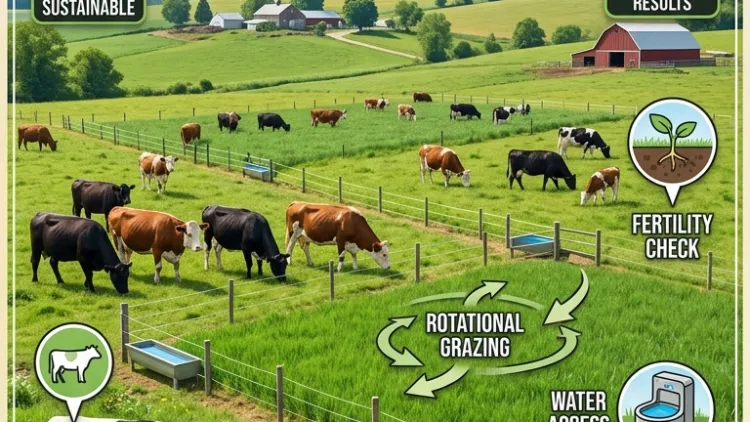
Techniques for implementing rotational grazing strategies.
-
Workshop 6.2:
Implementing paddock design and fencing.
-
Workshop 6.3:
Utilizing grazing schedules and monitoring.
-
Workshop 6.4:
Managing grazing pressure and forage recovery.
-
Workshop 7.1:
Understanding the role of soil fertility in forage growth.
-
Workshop 7.2:
Implementing soil testing and amendment practices.
-
Workshop 7.3:
Utilizing soil conservation and erosion control.
-
Workshop 7.4:
Managing soil health for sustainable pasture production.
-
Workshop 8.1:
Techniques for managing unwanted vegetation.
-
Workshop 8.2:
Implementing integrated weed management strategies.
-
Workshop 8.3:
Utilizing grazing and mechanical control methods.
-
Workshop 8.4:
Managing pasture renovation and reseeding.
-
Workshop 9.1:
Techniques for utilizing mineral and vitamin supplements.
-
Workshop 9.2:
Implementing strategic supplementation during feed shortages.
-
Workshop 9.3:
Utilizing protein and energy supplements.
-
Workshop 9.4:
Managing supplement delivery and consumption.
-
Workshop 10.1:
Techniques for developing drought and winter feeding strategies.
-
Workshop 10.2:
Implementing forage conservation and storage.
-
Workshop 10.3:
Utilizing alternative feed resources.
-
Workshop 10.4:
Managing livestock condition scoring and adjustments.
-
Workshop 11.1:
Understanding the impact of health on nutrient absorption.
-
Workshop 11.2:
Implementing preventive health management practices.
-
Workshop 11.3:
Utilizing parasite control and vaccination strategies.
-
Workshop 11.4:
Managing stress and disease impacts on nutrition.
-
Workshop 12.1:
Analyzing the economic benefits of efficient feeding.
-
Workshop 12.2:
Evaluating the costs and returns of pasture management.
-
Workshop 12.3:
Identifying cost-effective feed and grazing strategies.
-
Workshop 12.4:
Managing feed budgeting and profitability.
-
Workshop 13.1:
Developing communication and extension strategies.
-
Workshop 13.2:
Building farmer networks and knowledge sharing platforms.
-
Workshop 13.3:
Implementing training programs for sustainable livestock feeding skills.
-
Workshop 13.4:
Scaling up successful pasture and nutrition models.
-
Workshop 14.1:
Analysing real-world examples of effective feeding and grazing.
-
Workshop 14.2:
Highlighting best practices and innovative techniques.
-
Workshop 14.3:
Documenting economic and environmental impacts.
-
Workshop 14.4:
Farmer testimonials and field visits.
-
Workshop 15.1:
Exploring emerging trends and innovations.
-
Workshop 15.2:
Integrating new technologies and research findings.
-
Workshop 15.3:
Adapting to evolving climate scenarios and market demands.
-
Workshop 15.4:
Building resilient and sustainable livestock systems.