6 Topics
 5 Days
 33 Sessions
Programme Overview
Training Description
This course is intended for various actors in Agriculture Extension (Agricultural extension officers, senior agricultural officials and policy makers) working with communities, in governments, funding agencies, Research organizations and non-government organizations among others for Agriculture support activities and other Development programmes.
Session Objectives
- Understand classification of emergencies in particular famine and food crises. Food insecurity and malnutrition and how these have shaped operational response and practice. Explore food and nutrition security context with the use of frameworks. Use quantitative and qualitative methods to assess and monitor the food and nutrition security situations. Study concepts of vulnerability, power, and gender in relation to emergencies and food and nutrition security. Explore the links between relief and development. Assess multi-stakeholder processes in relation to advocacy and change.
About the Course
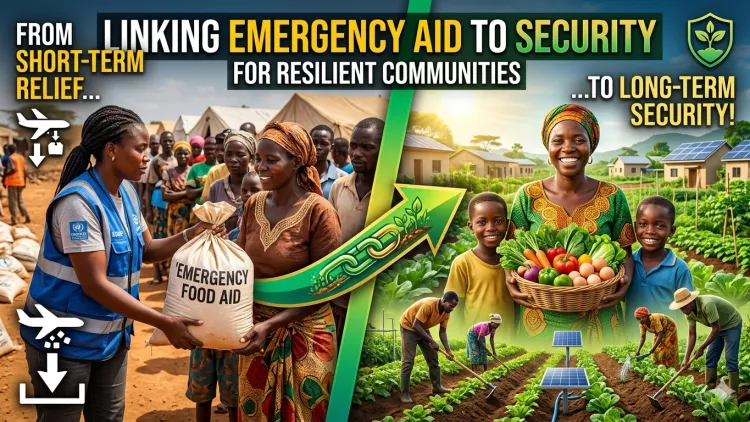
Food insecurity and disasters are directly related; therefore, institutions dealing with food and nutrition security should be prepared for such adversities and device means to respond. Relief aid institutions also play part in maintenance of food and nutrition security in emergencies by providing relief aid. Food aid is all about providing food and related assistance to tackle hunger, either in emergency situations, or to help with deeper, longer-term hunger alleviation and achieve food security. Thus, this training programme is designed to enable participants to gain skills on how to prepare, measure, and respond to nutrition emergencies to sustain food security..
Curriculum & Topics
6 Topics | 33 Sessions
-
 Workshop 1.1:
What is food and nutrition security?
-
Workshop 1.2:
Causes and effects of food and nutrition emergencies
-
Workshop 1.3:
Key concepts and current issues in nutrition
-
Workshop 1.4:
classification of disasters
-
Workshop 1.5:
Preparedness for food and nutrition security emergencies
-
Workshop 1.6:
Transition from food aid induced dependency towards building resilience and sustainable livelihoods
-
Workshop 1.7:
Emergency food aid response and its significance
-
Workshop 1.8:
Food system resilience and indicators
-
Workshop 2.1:
Comprehensive Food Security and Vulnerability Analysis (CFSVA),
-
Workshop 2.2:
Emergency Food Security Assessment (EFSA)
-
Workshop 2.3:
Joint Assessment Missions (JAM),
-
Workshop 2.4:
Crop and Food Supply Missions (CFSAM)
-
Workshop 2.5:
Nutritional surveys
-
Workshop 3.1:
Collecting food data from households
-
Workshop 3.2:
Indicators of food and nutrition security
-
Workshop 3.3:
Calculating Indicators
-
Workshop 3.4:
Using indicators of food and nutrition security
-
Workshop 4.1:
Data collection
-
Workshop 4.2:
Food security early warning systems and disaster monitoring
-
Workshop 4.3:
Reporting food security information using GIS
-
Workshop 4.4:
Population targeting with GIS and remote sensing
-
Workshop 4.5:
Communicating food security information with GIS and remote sensing
-
Workshop 5.1:
What is food aid?
-
Workshop 5.2:
Major players in food aid
-
Workshop 5.3:
Benefits and problems with food aid
-
Workshop 5.4:
Link between relief and development: humanitarian, transitional and development food assistance
-
Workshop 6.1:
Nutrition security and health
-
Workshop 6.2:
Vulnerability of smallholder rural households to food insecurity
-
Workshop 6.3:
Multi-stakeholder processes in relation to advocacy and change
-
Workshop 6.4:
Participatory approaches to restore food security in emergencies
-
Workshop 6.5:
Role of power, gender and the rural poor in food and nutrition security
-
Workshop 6.6:
Role of ICT in responding to nutrition emergencies
-
Workshop 6.7:
Monitoring and evaluation to enhance food security