15 Topics
 10 Days
 75 Sessions
Programme Overview
Training Description
Who Should Attend
This course is designed for professionals seeking to develop and secure IoT devices and systems, including:
- IoT Developers
- Embedded Systems Engineers
- Security Professionals
- Network Engineers
- System Administrators
- Anyone involved in building or securing IoT solutions
Session Objectives
- Understand the fundamentals of IoT architecture and protocols.
- Develop IoT applications using various platforms and technologies.
- Implement security best practices for IoT devices and networks.
- Understand common IoT security vulnerabilities and threats.
- Implement secure communication protocols and encryption.
- Utilize device authentication and authorization techniques.
About the Course
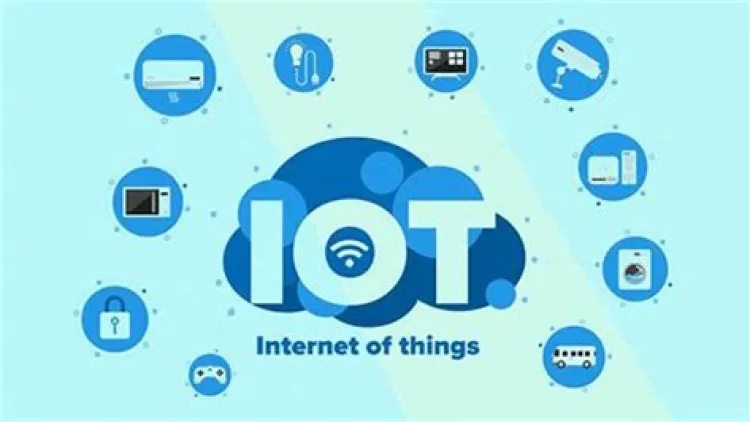
The Internet of Things (IoT) is rapidly expanding, connecting devices and creating vast opportunities, but also introducing significant security risks. This course on IoT Security & Development equips participants with the specialized knowledge and skills to build and secure connected devices. Participants will learn how to develop IoT applications, implement security best practices, and mitigate vulnerabilities. This course bridges the gap between IoT development and security, empowering professionals to build robust and trustworthy IoT solutions.
Curriculum & Topics
15 Topics | 75 Sessions
-
 Workshop 1.1:
Understanding the IoT ecosystem and its applications.
-
Workshop 1.2:
Overview of IoT architecture and components.
-
Workshop 1.3:
Understanding IoT protocols and communication technologies.
-
Workshop 1.4:
Exploring different IoT platforms and development environments.
-
Workshop 1.5:
Understanding the challenges and opportunities of IoT.
-
Workshop 2.1:
Understanding embedded systems and microcontroller programming.
-
Workshop 2.2:
Utilizing IoT development platforms (Arduino, Raspberry Pi, ESP32).
-
Workshop 2.3:
Programming IoT devices using C/C++, Python, or other languages.
-
Workshop 2.4:
Implementing sensor data acquisition and processing.
-
Workshop 2.5:
Understanding device communication and networking.
-
Workshop 3.1:
Understanding IoT communication protocols (MQTT, CoAP, HTTP, LoRaWAN).
-
Workshop 3.2:
Implementing secure communication protocols (TLS/SSL).
-
Workshop 3.3:
Understanding network topologies and architectures.
-
Workshop 3.4:
Utilizing wireless communication technologies (Wi-Fi, Bluetooth, Zigbee).
-
Workshop 3.5:
Implementing data serialization and message queuing.
-
Workshop 4.1:
Understanding the unique security challenges of IoT.
-
Workshop 4.2:
HIdentifying common IoT security vulnerabilities and threats.
-
Workshop 4.3:
Understanding the impact of IoT security breaches.
-
Workshop 4.4:
Exploring IoT security standards and frameworks.
-
Workshop 4.5:
Understanding the importance of security by design.
-
Workshop 5.1:
Implementing secure boot and firmware integrity checks.
-
Workshop 5.2:
Utilizing hardware security modules (HSMs) and secure elements.
-
Workshop 5.3:
Implementing device authentication and authorization.
-
Workshop 5.4:
Managing device credentials and keys securely.
-
Workshop 5.5:
Understanding device tamper detection and resistance.
-
Workshop 6.1:
Implementing network segmentation and access control.
-
Workshop 6.2:
Utilizing firewalls and intrusion detection systems (IDS).
-
Workshop 6.3:
Implementing network encryption and VPNs.
-
Workshop 6.4:
Understanding wireless network security protocols (WPA2/WPA3).
-
Workshop 6.5:
Implementing secure routing and network management.
-
Workshop 7.1:
Understanding data privacy regulations (GDPR, CCPA, etc.).
-
Workshop 7.2:
Implementing data encryption and anonymization techniques.
-
Workshop 7.3:
Utilizing data access control and audit logging.
-
Workshop 7.4:
Understanding data lifecycle management and data retention.
-
Workshop 7.5:
Implementing secure data storage and transmission.
-
Workshop 8.1:
Understanding different authentication and authorization methods.
-
Workshop 8.2:
Implementing certificate-based authentication.
-
Workshop 8.3:
Utilizing OAuth and OpenID Connect for authentication.
-
Workshop 8.4:
Implementing role-based access control (RBAC).
-
Workshop 8.5:
Understanding device identity and management.
-
Workshop 9.1:
Implementing secure firmware update mechanisms.
-
Workshop 9.2:
Utilizing over-the-air (OTA) updates.
-
Workshop 9.3:
Understanding firmware rollback and recovery.
-
Workshop 9.4:
Implementing device configuration management.
-
Workshop 9.5:
Utilizing device management platforms and protocols.
-
Workshop 10.1:
Utilizing IoT security scanning and vulnerability assessment tools.
-
Workshop 10.2:
Implementing security information and event management (SIEM) systems.
-
Workshop 10.3:
Utilizing IoT security frameworks and standards (NIST, OWASP).
-
Workshop 10.4:
Implementing threat modeling and risk assessment.
-
Workshop 10.5:
Utilizing penetration testing tools and techniques.
-
Workshop 11.1:
Developing incident response plans for IoT security breaches.
-
Workshop 11.2:
Implementing threat detection and monitoring.
-
Workshop 11.3:
Utilizing forensic analysis and investigation techniques.
-
Workshop 11.4:
Implementing threat intelligence and sharing.
-
Workshop 11.5:
Understanding incident reporting and communication.
-
Workshop 12.1:
Utilizing data analytics for security monitoring and threat detection.
-
Workshop 12.2:
Implementing anomaly detection and behavioral analysis.
-
Workshop 12.3:
Utilizing machine learning for security analytics.
-
Workshop 12.4:
Implementing security dashboards and visualizations.
-
Workshop 12.5:
Understanding the role of data in security investigations.
-
Workshop 13.1:
Understanding IoT security challenges in specific industries.
-
Workshop 13.2:
Implementing industry-specific security standards and regulations.
-
Workshop 13.3:
Developing security solutions for industrial control systems (ICS).
-
Workshop 13.4:
Understanding the security of smart city infrastructure.
-
Workshop 13.5:
Implementing security for healthcare IoT devices.
-
Workshop 14.1:
Implementing security best practices for IoT development and deployment.
-
Workshop 14.2:
Understanding compliance requirements for IoT devices and systems.
-
Workshop 14.3:
Utilizing security checklists and guidelines.
-
Workshop 14.4:
Implementing security audits and assessments.
-
Workshop 14.5:
Understanding the importance of continuous security monitoring.
-
Workshop 15.1:
Exploring emerging trends in IoT security (AI-driven security, blockchain-based security).
-
Workshop 15.2:
Understanding the impact of IoT on privacy and security.
-
Workshop 15.3:
Addressing ethical considerations in IoT development and deployment.
-
Workshop 15.4:
Understanding the regulatory landscape of IoT security.
-
Workshop 15.5:
Continuous learning and professional development in IoT security.