
 16 Topics
 10 Days
Programme Overview
Training Description
Who Should Attend
This course is ideal for;
- Facility managers
- Cleaning staff
- Safety managers
- HR professionals
- Supervisors
- Team leaders
- Healthcare workers
- Hospitality staff
- Education professionals
- Individuals interested in infection control
- Compliance officers
- Office managers
Session Objectives
- Understand the principles and importance of infection control in the workplace.
- Implement techniques for analyzing transmission routes and identifying infection risks.
- Understand the role of hand hygiene and respiratory etiquette in preventing disease spread.
- Implement techniques for selecting and using appropriate disinfectants and cleaning agents.
- Understand the principles of developing and implementing cleaning and sanitation schedules.
- Implement techniques for using personal protective equipment (PPE) effectively.
- Understand the role of workplace modifications and social distancing in infection control.
- Implement techniques for developing and delivering training programs on infection control.
- Understand the legal and regulatory requirements related to workplace hygiene and disinfection.
- Implement techniques for conducting infection control audits and evaluations.
- Understand the challenges and opportunities of implementing infection control measures in diverse workplaces.
- Understand the role of employee participation in infection control initiatives.
- Develop strategies for continuous improvement in workplace hygiene and disinfection practices.
About the Course
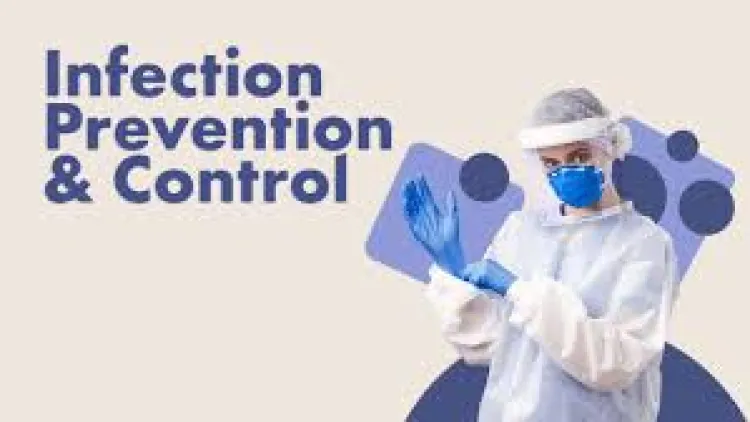
Infection Control in the Workplace: Hygiene and Disinfection training equips professionals with the methodologies to prevent the spread of infectious diseases through effective hygiene and disinfection practices. This course focuses on analyzing transmission routes, implementing cleaning and sanitation protocols, and understanding the impact of proactive measures on workplace health and safety. Participants will learn to develop cleaning schedules, select appropriate disinfectants, and understand the intricacies of hand hygiene and respiratory etiquette. By mastering infection control practices, professionals can enhance workplace safety, reduce absenteeism, and contribute to the creation of a healthy and resilient work environment.
The increasing awareness of infectious disease transmission necessitates a comprehensive understanding of hygiene and disinfection strategies. This course delves into the nuances of surface disinfection, personal protective equipment (PPE) usage, and outbreak response, empowering participants to develop and implement tailored infection control plans. By integrating public health guidelines with practical safety techniques, this program enables individuals to lead initiatives that promote worker well-being and prevent the spread of infections.
Curriculum & Topics
16 Topics | 10 Days
-
 Subtopic 1.1:
Principles and importance of infection control in the workplace.
Subtopic 1.1:
Principles and importance of infection control in the workplace.
-
Subtopic 1.2:
Understanding the relationship between hygiene and disease transmission.
-
Subtopic 1.3:
Benefits of effective infection control practices.
-
Subtopic 1.4:
Historical context and evolution of infection control.
-
Subtopic 2.1:
Techniques for analyzing transmission routes and identifying infection risks.
-
Subtopic 2.2:
Implementing risk assessment methodologies and hazard identification.
-
Subtopic 2.3:
Utilizing public health guidelines and resources.
-
Subtopic 2.4:
Managing risk assessments.
-
Subtopic 3.1:
Role of hand hygiene and respiratory etiquette in preventing disease spread.
-
Subtopic 3.2:
Understanding proper handwashing and hand sanitizer use.
-
Subtopic 3.3:
Implementing cough and sneeze etiquette.
-
Subtopic 3.4:
Managing hand hygiene and respiratory etiquette.
-
Subtopic 4.1:
Techniques for selecting and using appropriate disinfectants and cleaning agents.
-
Subtopic 4.2:
Implementing disinfectant selection criteria and usage protocols.
-
Subtopic 4.3:
Utilizing cleaning agent safety data sheets (SDS).
-
Subtopic 4.4:
Managing disinfectant and cleaning agent usage.
-
Subtopic 5.1:
Principles of developing and implementing cleaning and sanitation schedules.
-
Subtopic 5.2:
Understanding cleaning frequencies and high-touch surface disinfection.
-
Subtopic 5.3:
Implementing cleaning checklists and documentation.
-
Subtopic 5.4:
Managing cleaning schedules.
-
Subtopic 6.1:
Techniques for using personal protective equipment (PPE) effectively.
-
Subtopic 6.2:
Implementing PPE selection, donning, and doffing procedures.
-
Subtopic 6.3:
Utilizing PPE for specific tasks and hazards.
-
Subtopic 6.4:
Managing PPE usage.
-
Subtopic 7.1:
Role of workplace modifications and social distancing in infection control.
-
Subtopic 7.2:
Understanding physical distancing guidelines and workspace redesign.
-
Subtopic 7.3:
Implementing signage and visual cues.
-
Subtopic 7.4:
Managing workplace modifications.
-
Subtopic 8.1:
Techniques for developing and delivering training programs on infection control.
-
Subtopic 8.2:
Implementing training modules and content.
-
Subtopic 8.3:
Utilizing training aids and resources.
-
Subtopic 8.4:
Managing training programs.
-
Subtopic 9.1:
Legal and regulatory requirements related to workplace hygiene and disinfection.
-
Subtopic 9.2:
Understanding OSHA standards, CDC guidelines, and local regulations.
-
Subtopic 9.3:
Implementing compliance strategies.
-
Subtopic 9.4:
Managing legal compliance.
-
Subtopic 10.1:
Techniques for conducting infection control audits and evaluations.
-
Subtopic 10.2:
Implementing audit checklists and evaluation metrics.
-
Subtopic 10.3:
Utilizing data analysis and reporting.
-
Subtopic 10.4:
Managing infection control audits.
-
Subtopic 11.1:
Implementing Outbreak Response Protocols.
-
Subtopic 11.2:
Utilizing contact tracing methodologies and isolation procedures.
-
Subtopic 11.3:
Implementing outbreak communication strategies.
-
Subtopic 11.4:
Managing outbreak response.
-
Subtopic 12.1:
Implementing Ventilation and Air Filtration.
-
Subtopic 12.2:
Utilizing HVAC systems and air purifiers.
-
Subtopic 12.3:
Implementing ventilation assessments and maintenance.
-
Subtopic 12.4:
Managing ventilation strategies.
-
Subtopic 13.1:
Implementing Waste Management and Disposal.
-
Subtopic 13.2:
Utilizing biohazard waste disposal protocols.
-
Subtopic 13.3:
Implementing waste segregation and handling procedures.
-
Subtopic 13.4:
Managing waste disposal.
-
Subtopic 14.1:
Implementing Employee Health Screening and Monitoring.
-
Subtopic 14.2:
Utilizing symptom screening and temperature checks.
-
Subtopic 14.3:
Implementing health reporting procedures.
-
Subtopic 14.4:
Managing employee health screening.
-
Subtopic 15.1:
Implementing Mental Health and Well-being Support.
-
Subtopic 15.2:
Utilizing Employee Assistance Programs (EAPs).
-
Subtopic 15.3:
Implementing stress management techniques.
-
Subtopic 15.4:
Managing mental health support.
-
Subtopic 16.1:
Implementing Continuous Improvement in Infection Control.
-
Subtopic 16.2:
Utilizing feedback mechanisms and program evaluations.
-
Subtopic 16.3:
Implementing policy updates and plan revisions.
-
Subtopic 16.4:
Managing improvement processes.