15 Topics
 5 Days
 60 Sessions
Programme Overview
Training Description
Farmers and agricultural producers
Agricultural extension officers and advisors
Farm managers and supervisors
Agricultural researchers and scientists
Organic farming practitioners
Sustainable agriculture advocates
Rural development practitioners
Agricultural educators
Horticulture professionals
Crop consultants and agronomists
Land managers and conservationists
Seed producers and distributors
Students and enthusiasts of sustainable agriculture
Session Objectives
- Understand the principles and benefits of high-value crop production. Implement techniques for selecting and cultivating high-value crops. Understand the market dynamics and value chains for cash crops. Implement techniques for managing crop quality and post-harvest handling. Understand the role of risk management in high-value crop production. Implement techniques for optimizing resource use and input management. Understand the role of sustainable practices in cash crop production. Implement techniques for marketing and sales of high-value crops.
About the Course
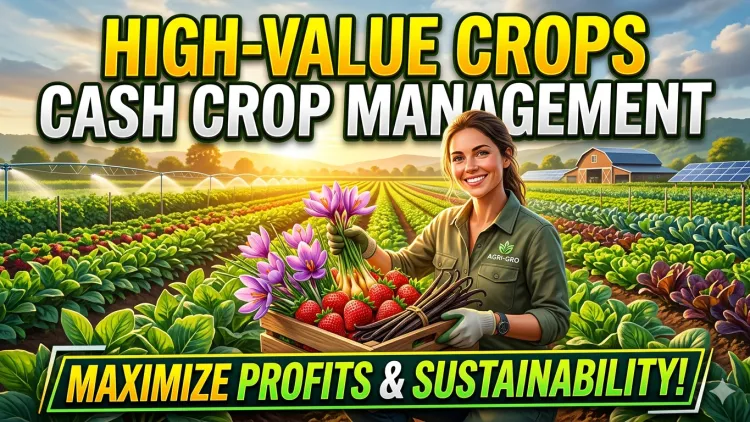
High-Value Crops and Cash Crop Management equips farmers and agricultural entrepreneurs with the knowledge and skills to maximize profits and ensure sustainability in high-value crop production. This course focuses on implementing best practices for cultivation, post-harvest handling, and marketing of cash crops. Participants will learn to optimize resource use, manage risks, and build profitable agricultural enterprises. By mastering high-value crop management, professionals can enhance farm income and contribute to economic development.
Curriculum & Topics
15 Topics | 60 Sessions
-
 Workshop 1.1:
Principles and objectives of profitable cash crop farming.
-
Workshop 1.2:
Understanding market demands and opportunities.
-
Workshop 1.3:
Benefits of strategic crop selection and management.
-
Workshop 1.4:
Historical context and evolution of high-value crop production.
-
Workshop 2.1:
Techniques for assessing crop suitability and profitability.
-
Workshop 2.2:
Implementing best practices for cultivation and management.
-
Workshop 2.3:
Utilizing advanced agronomic techniques.
-
Workshop 2.4:
Managing crop-specific requirements and challenges.
-
Workshop 3.1:
Understanding market trends and consumer preferences.
-
Workshop 3.2:
Analyzing value chains and market access strategies.
-
Workshop 3.3:
Implementing market research and analysis.
-
Workshop 3.4:
Managing relationships with buyers and distributors.
-
Workshop 4.1:
Techniques for maintaining crop quality and freshness.
-
Workshop 4.2:
Implementing post-harvest treatments and storage.
-
Workshop 4.3:
Utilizing quality control measures and standards.
-
Workshop 4.4:
Managing packaging and transportation.
-
Workshop 5.1:
Techniques for assessing and mitigating production risks.
-
Workshop 5.2:
Implementing insurance and hedging strategies.
-
Workshop 5.3:
Managing market volatility and price fluctuations.
-
Workshop 5.4:
Developing contingency plans.
-
Workshop 6.1:
Techniques for optimizing input use and efficiency.
-
Workshop 6.2:
Implementing precision agriculture and technology.
-
Workshop 6.3:
Managing fertilizer, pesticide, and water resources.
-
Workshop 6.4:
Benefits of reducing input costs.
-
Workshop 7.1:
Techniques for implementing eco-friendly farming methods.
-
Workshop 7.2:
Utilizing integrated pest management and organic practices.
-
Workshop 7.3:
Managing soil health and biodiversity.
-
Workshop 7.4:
Benefits of environmental stewardship.
-
Workshop 8.1:
Techniques for developing effective marketing plans.
-
Workshop 8.2:
Implementing branding and product differentiation.
-
Workshop 8.3:
Utilizing online and offline marketing channels.
-
Workshop 8.4:
Managing sales and distribution networks.
-
Workshop 9.1:
Techniques for developing financial plans and budgets.
-
Workshop 9.2:
Implementing cost accounting and profitability analysis.
-
Workshop 9.3:
Managing cash flow and financial risks.
-
Workshop 9.4:
Utilizing financial tools and software.
-
Workshop 10.1:
Techniques for managing farm labor and workforce.
-
Workshop 10.2:
Implementing efficient farm operations and logistics.
-
Workshop 10.3:
Utilizing farm equipment and technology.
-
Workshop 10.4:
Managing farm infrastructure and facilities.
-
Workshop 11.1:
Understanding legal requirements and trade regulations.
-
Workshop 11.2:
Implementing compliance measures and certifications.
-
Workshop 11.3:
Managing contracts and agreements.
-
Workshop 11.4:
Utilizing intellectual property rights.
-
Workshop 12.1:
Techniques for developing investment proposals.
-
Workshop 12.2:
Identifying funding sources and opportunities.
-
Workshop 12.3:
Managing investor relations and partnerships.
-
Workshop 12.4:
Utilizing financial instruments and incentives.
-
Workshop 13.1:
Techniques for developing business plans and strategies.
-
Workshop 13.2:
Implementing growth and expansion plans.
-
Workshop 13.3:
Managing organizational development and structure.
-
Workshop 13.4:
Utilizing strategic partnerships and alliances.
-
Workshop 14.1:
Highlighting best practices and innovative techniques.
-
Workshop 14.2:
Documenting economic and social impacts.
-
Workshop 14.3:
Analyzing real-world examples of profitable cash crop businesses.
-
Workshop 14.4:
Entrepreneur testimonials and site visits.
-
Workshop 15.1:
Exploring emerging trends and innovations.
-
Workshop 15.2:
Integrating new technologies and market opportunities.
-
Workshop 15.3:
Adapting to evolving consumer demands and global markets.
-
Workshop 15.4:
Building resilient and sustainable agricultural enterprises