9 Topics
 5 Days
 36 Sessions
Programme Overview
Training Description
Who Should Attend
This course is ideal for;
- Nurses
- Physicians
- Medical technicians
- Hospital administrators
- Infection control practitioners
- Laboratory personnel
- Environmental services staff
- Dental hygienists
- Home healthcare workers
- Students of healthcare professions
- Individuals interested in healthcare safety
- Compliance officers
- Safety officers
- Emergency responders
Session Objectives
- Understand the principles and importance of healthcare worker safety and infection control.
- Implement techniques for conducting risk assessments for infectious diseases and workplace hazards.
- Understand the role of standard precautions in preventing the spread of infections.
- Implement techniques for selecting and utilizing appropriate personal protective equipment (PPE).
- Understand the principles of sterilization and disinfection practices.
- Implement techniques for developing and implementing exposure control plans.
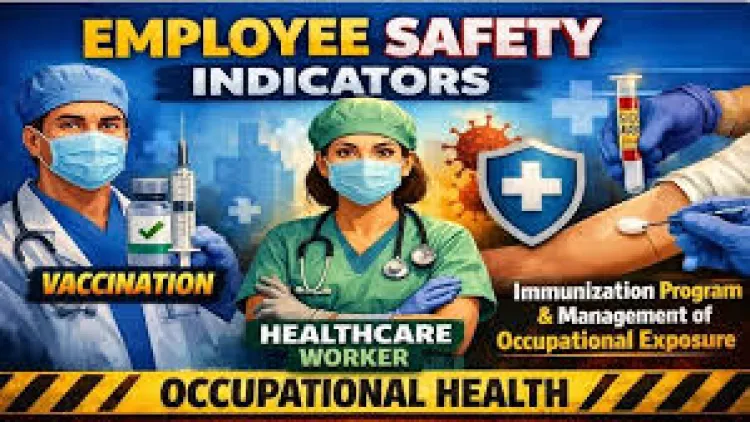
- Understand the role of vaccination and post-exposure prophylaxis in healthcare worker safety.
- Implement techniques for conducting incident investigations and reporting occupational exposures.
- Understand the legal and regulatory requirements related to healthcare worker safety and infection control.
- Implement techniques for conducting healthcare safety audits and inspections.
- Understand the challenges and opportunities of implementing safety in diverse healthcare settings.
- Understand the role of employee training and participation in healthcare safety.
- Develop strategies for continuous improvement in healthcare worker safety and infection control.
About the Course
Healthcare Worker Safety and Infection Control training equips professionals with the methodologies to protect themselves and patients from infectious diseases and workplace hazards. This course focuses on analyzing infection risks, implementing standard precautions, and understanding the impact of effective safety protocols on patient outcomes and worker well-being. Participants will learn to utilize personal protective equipment (PPE), develop exposure control plans, and understand the intricacies of sterilization and disinfection practices. By mastering healthcare worker safety and infection control, professionals can enhance patient safety, minimize occupational exposures, and contribute to the creation of a secure and compliant healthcare environment.
The unique challenges of healthcare settings demand a comprehensive understanding of infection prevention and safety management. This course delves into the nuances of pathogen transmission, risk assessment, and emergency response, empowering participants to develop and implement tailored safety programs. By integrating scientific principles with practical safety techniques, this program enables individuals to lead healthcare safety initiatives and contribute to a culture of safety and excellence.
Curriculum & Topics
9 Topics | 36 Sessions
-
 Workshop 1.1:
Principles and importance of healthcare worker safety and infection control.
Workshop 1.1:
Principles and importance of healthcare worker safety and infection control.
-
Workshop 1.2:
Understanding the relationship between healthcare hazards and safety.
-
Workshop 1.3:
Benefits of effective infection control programs.
-
Workshop 1.4:
Historical context and evolution of healthcare safety.
-
Workshop 2.1:
Techniques for conducting risk assessments for infectious diseases and workplace hazards.
-
Workshop 2.2:
Implementing hazard identification methods (patient contact, environmental risks).
-
Workshop 2.3:
Utilizing risk matrices and risk scoring techniques.
-
Workshop 2.4:
Managing risk assessments.
-
Workshop 3.1:
Role of standard precautions in preventing the spread of infections.
-
Workshop 3.2:
Understanding hand hygiene, respiratory hygiene, and safe injection practices.
-
Workshop 3.3:
Implementing standard precautions protocols and guidelines.
-
Workshop 3.4:
Managing standard precautions.
-
Workshop 4.1:
Techniques for selecting and utilizing appropriate personal protective equipment (PPE).
-
Workshop 4.2:
Implementing PPE donning and doffing procedures.
-
Workshop 4.3:
Utilizing PPE checklists and documentation.
-
Workshop 4.4:
Managing PPE utilization.
-
Workshop 5.1:
Principles of sterilization and disinfection practices.
-
Workshop 5.2:
Understanding different sterilization and disinfection methods.
-
Workshop 5.3:
Implementing sterilization and disinfection protocols.
-
Workshop 5.4:
Managing sterilization and disinfection.
-
Workshop 6.1:
Techniques for developing and implementing exposure control plans.
-
Workshop 6.2:
Implementing exposure prevention and response strategies.
-
Workshop 6.3:
Utilizing exposure control plan templates and resources.
-
Workshop 6.4:
Managing exposure control plans.
-
Workshop 7.1:
Role of vaccination and post-exposure prophylaxis in healthcare worker safety.
-
Workshop 7.2:
Understanding vaccination schedules and protocols.
-
Workshop 7.3:
Implementing post-exposure prophylaxis guidelines.
-
Workshop 7.4:
Managing vaccination and prophylaxis.
-
Workshop 8.1:
Techniques for conducting incident investigations and reporting occupational exposures.
-
Workshop 8.2:
Implementing incident reporting procedures and documentation.
-
Workshop 8.3:
Utilizing incident investigation tools and techniques.
-
Workshop 8.4:
Managing incident investigations.
-
Workshop 9.1:
Legal and regulatory requirements related to healthcare worker safety and infection control.
-
Workshop 9.2:
Implementing compliance with OSHA and CDC guidelines.
-
Workshop 9.3:
Utilizing legal registers and compliance tools.
-
Workshop 9.4:
Managing legal compliance.