15 Topics
 10 Days
Programme Overview
Training Description
Who Should Attend
This course is ideal for;
- Safety officers
- Chemical handlers
- Laboratory technicians
- Compliance officers
- HR managers
- Facility managers
- Supervisors
- Employees working with chemicals
- Environmental health specialists
- Training managers
- Procurement officers
- Students of chemistry and occupational safety
- Individuals interested in chemical hazard communication
- Operations managers
- Warehouse personnel
Session Objectives
- Understand the principles and importance of Hazard Communication (HazCom) and GHS compliance.
- Implement techniques for classifying chemical hazards according to GHS standards.
- Understand the role of Safety Data Sheets (SDS) in HazCom and GHS.
- Implement techniques for interpreting and utilizing SDS information.
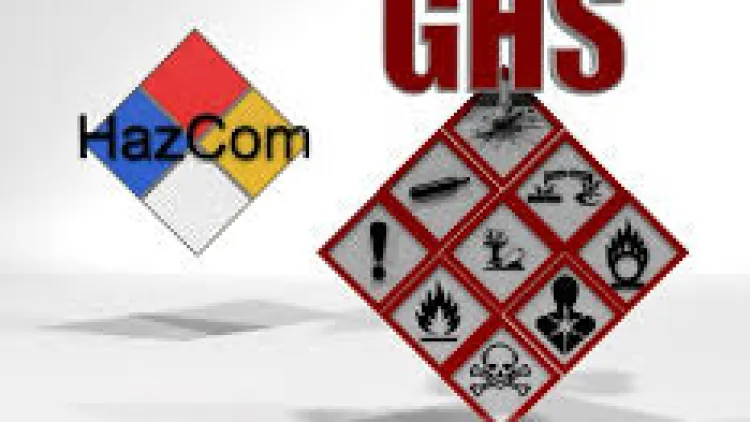
- Understand the principles of GHS labeling requirements and pictograms.
- Implement techniques for creating and maintaining compliant chemical labels.
- Understand the role of employee training in HazCom and GHS.
- Implement techniques for developing and delivering effective HazCom training programs.
- Understand the legal and regulatory requirements related to HazCom and GHS.
- Implement techniques for conducting HazCom audits and inspections.
- Understand the challenges and opportunities of implementing HazCom in diverse workplaces.
- Understand the role of written HazCom programs and documentation.
- Develop strategies for continuous improvement in HazCom and GHS compliance.
About the Course
Hazard Communication (HazCom) and GHS Compliance training equips professionals with the methodologies to effectively communicate chemical hazards and ensure compliance with the Globally Harmonized System (GHS). This course focuses on analyzing SDS information, implementing labeling requirements, and understanding the impact of HazCom programs on workplace safety. Participants will learn to utilize GHS pictograms, develop employee training materials, and understand the intricacies of regulatory compliance and documentation. By mastering HazCom and GHS, professionals can enhance workplace safety, minimize chemical incidents, and contribute to the creation of a secure and compliant environment.
The increasing harmonization of chemical safety standards necessitates a comprehensive understanding of HazCom and GHS. This course delves into the nuances of hazard classification, label elements, and SDS management, empowering participants to develop and implement tailored compliance strategies. By integrating regulatory knowledge with practical communication techniques, this program enables individuals to lead HazCom initiatives and contribute to the creation of a safe and informed workplace.
Curriculum & Topics
15 Topics | 10 Days
-
 Subtopic 1.1:
Principles and importance of Hazard Communication (HazCom) and GHS compliance.
Subtopic 1.1:
Principles and importance of Hazard Communication (HazCom) and GHS compliance.
-
Subtopic 1.2:
Understanding the relationship between HazCom, GHS, and workplace safety.
-
Subtopic 1.3:
Benefits of effective HazCom programs.
-
Subtopic 1.4:
Historical context and evolution of HazCom and GHS.
-
Subtopic 2.1:
Techniques for classifying chemical hazards according to GHS standards.
-
Subtopic 2.2:
Implementing GHS hazard categories and classes.
-
Subtopic 2.3:
Utilizing GHS classification criteria and guidelines.
-
Subtopic 2.4:
Managing hazard classification.
-
Subtopic 3.1:
Role of Safety Data Sheets (SDS) in HazCom and GHS.
-
Subtopic 3.2:
Understanding SDS sections and information requirements.
-
Subtopic 3.3:
Implementing SDS management and accessibility.
-
Subtopic 3.4:
Managing SDS.
-
Subtopic 4.1:
Techniques for interpreting and utilizing SDS information.
-
Subtopic 4.2:
Implementing SDS review and comprehension strategies.
-
Subtopic 4.3:
Utilizing SDS information for risk assessment and control.
-
Subtopic 4.4:
Managing SDS utilization.
-
Subtopic 5.1:
Principles of GHS labeling requirements and pictograms.
-
Subtopic 5.2:
Understanding GHS label elements and signal words.
-
Subtopic 5.3:
Utilizing GHS pictograms and hazard statements.
-
Subtopic 5.4:
Managing GHS labeling.
-
Subtopic 6.1:
Techniques for creating and maintaining compliant chemical labels.
-
Subtopic 6.2:
Implementing GHS label formatting and content requirements.
-
Subtopic 6.3:
Utilizing label printing and application techniques.
-
Subtopic 6.4:
Managing chemical labels.
-
Subtopic 7.1:
Role of employee training in HazCom and GHS.
-
Subtopic 7.2:
Understanding training requirements and content.
-
Subtopic 7.3:
Implementing training delivery and documentation.
-
Subtopic 7.4:
Managing employee training.
-
Subtopic 8.1:
Techniques for developing and delivering effective HazCom training programs.
-
Subtopic 8.2:
Implementing training modules on GHS and HazCom requirements.
-
Subtopic 8.3:
Utilizing interactive and engaging training methods.
-
Subtopic 8.4:
Managing training programs.
-
Subtopic 9.1:
Legal and regulatory requirements related to HazCom and GHS.
-
Subtopic 9.2:
Implementing compliance with OSHA HazCom standards and GHS regulations.
-
Subtopic 9.3:
Utilizing legal registers and compliance tools.
-
Subtopic 9.4:
Managing legal compliance.
-
Subtopic 10.1:
Techniques for conducting HazCom audits and inspections.
-
Subtopic 10.2:
Implementing audit checklists and inspection protocols.
-
Subtopic 10.3:
Utilizing audit findings for corrective actions.
-
Subtopic 10.4:
Managing audits and inspections.
-
Subtopic 11.1:
Challenges and opportunities of implementing HazCom in diverse workplaces.
-
Subtopic 11.2:
Implementing HazCom strategies in different laboratory, industrial, and storage settings.
-
Subtopic 11.3:
Utilizing HazCom techniques in multinational and global operations.
-
Subtopic 11.4:
Managing HazCom in diverse contexts.
-
Subtopic 12.1:
Role of written HazCom programs and documentation.
-
Subtopic 12.2:
Implementing written HazCom plans and procedures.
-
Subtopic 12.3:
Utilizing documentation for compliance and training.
-
Subtopic 12.4:
Managing documentation.
-
Subtopic 13.1:
Strategies for continuous improvement in HazCom and GHS compliance.
-
Subtopic 13.2:
Implementing program evaluation and improvement methods.
-
Subtopic 13.3:
Utilizing feedback mechanisms and performance metrics.
-
Subtopic 13.4:
Managing continuous improvement.
-
Subtopic 14.1:
Analyzing real-world examples of HazCom and GHS compliance.
-
Subtopic 14.2:
Highlighting best practices and effective implementation solutions.
-
Subtopic 14.3:
Documenting project outcomes and impact.
-
Subtopic 14.4:
Industry and compliance expert testimonials.
-
Subtopic 15.1:
Exploring emerging trends and technologies in HazCom and GHS.
-
Subtopic 15.2:
Integrating digital tools, data analytics, and AI in HazCom management.
-
Subtopic 15.3:
Adapting to evolving chemical regulations and industry standards.
-
Subtopic 15.4:
Building resilient and proactive HazCom systems.