15 Topics
 10 Days
 75 Sessions
Programme Overview
Training Description
Who Should Attend
This course is ideal for;
- Electrical Engineers
- Utility Managers and Operators
- Data Scientists and Analysts
- Technology Strategists
- Policymakers and Regulators
- Energy Consultants
- Researchers in Energy and Technology
- Project Managers in the Energy Sector
- IT and Cybersecurity Professionals
- Business Development Professionals
Session Objectives
- Master the foundational principles and key components of smart grid technology.
- Learn to design and implement an advanced metering infrastructure (AMI) system.
- Understand advanced techniques for grid automation and real-time control.
- Grasp the complexities of integrating intermittent renewable energy sources.
- Develop proficiency in demand-side management and demand response programs.
- Explore best practices in smart grid cybersecurity and data privacy.
- Learn about the role of big data analytics in optimizing grid performance.
- Identify the critical ethical, legal, and regulatory considerations in grid modernization.
- Develop skills in communicating smart grid benefits to different stakeholders.
- Formulate strategies for a data-driven approach to energy transition
About the Course
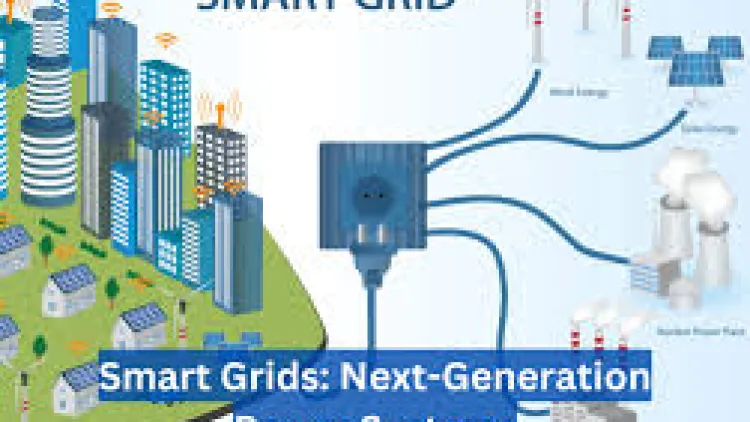
The traditional electricity grid, a century-old marvel of engineering, is not equipped for the demands of the 21st century. It lacks the two-way communication, real-time data, and intelligent automation needed to integrate a growing portfolio of renewable energy sources, manage distributed generation, and empower consumers. The smart grid represents a fundamental transformation of this infrastructure, creating a dynamic, resilient, and responsive network. This course is designed to provide professionals with a comprehensive understanding of the core principles that underpin this technological revolution, equipping them to design, implement, and manage the energy systems of tomorrow.
This program provides a practical and strategic deep dive into the interconnected components of the smart grid. Participants will explore everything from advanced metering infrastructure and demand response programs to grid-level automation and cybersecurity protocols. By focusing on the foundational technologies and operational principles, the course prepares attendees to contribute to the modernization of utility networks, enhance energy efficiency, improve reliability, and accelerate the transition to a sustainable, low-carbon future. It emphasizes actionable insights, real-world case studies, and a holistic perspective on the complex challenges and opportunities presented by grid modernization.
Curriculum & Topics
15 Topics | 75 Sessions
-
 Workshop 1.1:
The evolution from a traditional to a smart grid
-
Workshop 1.2:
Key characteristics of an intelligent grid
-
Workshop 1.3:
Core components and architecture
-
Workshop 1.4:
The business case for smart grid investment
-
Workshop 1.5:
An overview of the smart grid value chain
-
Workshop 2.1:
The role of smart meters and communication networks
-
Workshop 2.2:
Benefits of two-way communication
-
Workshop 2.3:
Data collection, validation, and storage
-
Workshop 2.4:
AMI as a foundational layer for smart grid applications
-
Workshop 2.5:
Implementing AMI systems in practice
-
Workshop 3.1:
Intelligent automation in distribution networks
-
Workshop 3.2:
Substation automation and communication protocols
-
Workshop 3.3:
Fault detection, isolation, and service restoration (FDIR)
-
Workshop 3.4:
Distributed Energy Resources (DERs) management
-
Workshop 3.5:
The role of microgrids and distributed generation
-
Workshop 4.1:
The challenge of intermittency
-
Workshop 4.2:
Integrating solar, wind, and other renewables
-
Workshop 4.3:
Grid balancing and stability with high DER penetration
-
Workshop 4.4:
The role of energy storage systems
-
Workshop 4.5:
Policy and regulatory frameworks for renewables
-
Workshop 5.1:
Principles of demand response programs
-
Workshop 5.2:
Shifting load and managing peak demand
-
Workshop 5.3:
The role of smart appliances and home automation
-
Workshop 5.4:
The economics of demand response
-
Workshop 5.5:
Customer engagement and behavioral change
-
Workshop 6.1:
Identifying cybersecurity threats to the grid
-
Workshop 6.2:
Key principles of grid cybersecurity
-
Workshop 6.3:
Protecting critical infrastructure from attacks
-
Workshop 6.4:
Data privacy and consumer data
-
Workshop 6.5:
Best practices and compliance standards
-
Workshop 7.1:
The different types of energy storage technologies
-
Workshop 7.2:
The role of batteries in grid resilience
-
Workshop 7.3:
Business models for energy storage
-
Workshop 7.4:
The economics of storage
-
Workshop 7.5:
Integrating storage with renewables and the grid
-
Workshop 8.1:
The data torrent from a smart grid
-
Workshop 8.2:
Using analytics for grid optimization
-
Workshop 8.3:
Predictive maintenance and asset management
-
Workshop 8.4:
Identifying inefficiencies and reducing losses
-
Workshop 8.5:
The future of AI and machine learning in grid operations
-
Workshop 9.1:
Communication protocols for smart grids
-
Workshop 9.2:
The role of SCADA and other control systems
-
Workshop 9.3:
The Internet of Things (IoT) in the energy sector
-
Workshop 9.4:
Managing a complex network of devices
-
Workshop 9.5:
Real-time monitoring and control
-
Workshop 10.1:
The role of government in grid modernization
-
Workshop 10.2:
Policy levers to incentivize investment
-
Workshop 10.3:
Regulatory hurdles and how to overcome them
-
Workshop 10.4:
Global case studies in successful smart grid policy
-
Workshop 10.5:
Developing a national smart grid strategy
-
Workshop 11.1:
The importance of open standards
-
Workshop 11.2:
Key standards bodies (e.g., NIST, IEC)
-
Workshop 11.3:
Ensuring seamless interoperability
-
Workshop 11.4:
The challenge of legacy systems
-
Workshop 11.5:
Building a roadmap for standardization
-
Workshop 12.1:
The concept of microgrids
-
Workshop 12.2:
Designing and implementing a microgrid
-
Workshop 12.3:
The role of microgrids in disaster recovery
-
Workshop 12.4:
Business models for microgrids
-
Workshop 12.5:
Integrating microgrids with the main grid
-
Workshop 13.1:
The economic drivers of grid modernization
-
Workshop 13.2:
Cost-benefit analysis of smart grid projects
-
Workshop 13.3:
New revenue streams for utilities
-
Workshop 13.4:
The impact on consumer electricity bills
-
Workshop 13.5:
Investing in the grid of the future
-
Workshop 14.1:
Case study: A large-scale smart meter rollout
-
Workshop 14.2:
Case study: Implementing a successful demand response program
-
Workshop 14.3:
Best practices from leading utilities
-
Workshop 14.4:
Lessons learned from global smart grid projects
-
Workshop 14.5:
The future of grid technology
-
Workshop 15.1:
The rise of the prosumer and distributed generation
-
Workshop 15.2:
The role of blockchain in energy markets
-
Workshop 15.3:
The electrification of transport
-
Workshop 15.4:
The convergence of energy and other sectors
-
Workshop 15.5:
The long-term vision of a sustainable grid