
 10 Topics
 5 Days
Programme Overview
Training Description
Who Should Attend
This course is ideal for;
- Chemists
- Chemical engineers
- Environmental scientists
- Safety managers
- Sustainability officers
- Regulatory compliance officers
- Manufacturing managers
- Researchers
- Laboratory technicians
- Individuals interested in green chemistry
- Environmental consultants
- Product developers
Session Objectives
- Understand the principles and importance of green chemistry and sustainable practices in reducing chemical hazards.
- Implement techniques for conducting hazard assessments and identifying hazardous chemicals.
- Understand the role of the 12 principles of green chemistry in chemical synthesis and product design.
- Implement techniques for substituting hazardous chemicals with safer alternatives.
- Understand the principles of waste reduction and prevention in chemical processes.
- Implement techniques for implementing life cycle assessments and evaluating environmental impacts.
- Understand the role of sustainable sourcing and renewable feedstocks in green chemistry.
- Implement techniques for developing and implementing green chemistry policies and practices.
- Understand the legal and regulatory requirements related to green chemistry and sustainable practices.
- Implement techniques for communicating and promoting green chemistry initiatives.
- Understand the challenges and opportunities of implementing green chemistry in diverse industries.
- Understand the role of employee participation in sustainable practices.
- Develop strategies for continuous improvement in green chemistry and sustainability.
About the Course
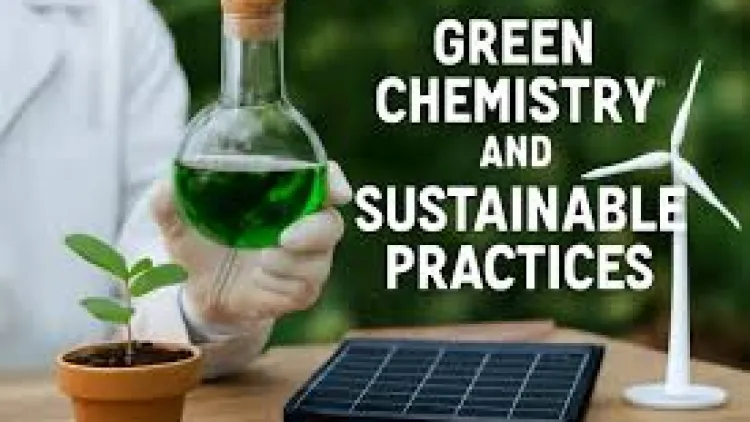
Green Chemistry and Sustainable Practices: Reducing Chemical Hazards training equips professionals with the methodologies to minimize chemical risks and promote environmentally friendly practices in various industries. This course focuses on analyzing chemical hazards, implementing green chemistry principles, and understanding the impact of sustainable practices on reducing environmental and occupational risks. Participants will learn to substitute hazardous chemicals with safer alternatives, implement waste reduction strategies, and understand the intricacies of life cycle assessments. By mastering green chemistry and sustainable practices, professionals can enhance environmental stewardship, improve workplace safety, and contribute to the creation of a sustainable and responsible industry.
The increasing awareness of chemical hazards and environmental sustainability necessitates a comprehensive understanding of green chemistry principles and sustainable practices. This course delves into the nuances of hazard assessment, alternative synthesis routes, and circular economy concepts, empowering participants to develop and implement tailored green chemistry strategies. By integrating sustainable practices with chemical safety expertise, this program enables individuals to lead initiatives that promote environmental protection and occupational health.
Curriculum & Topics
10 Topics | 5 Days
-
 Subtopic 1.1:
Principles and importance of green chemistry and sustainable practices.
Subtopic 1.1:
Principles and importance of green chemistry and sustainable practices.
-
Subtopic 1.2:
Understanding the relationship between chemical hazards and environmental sustainability.
-
Subtopic 1.3:
Benefits of implementing green chemistry principles.
-
Subtopic 1.4:
Historical context and evolution of green chemistry.
-
Subtopic 2.1:
Techniques for conducting hazard assessments and identifying hazardous chemicals.
-
Subtopic 2.2:
Implementing hazard identification methods and risk assessment tools.
-
Subtopic 2.3:
Utilizing chemical databases and safety data sheets.
-
Subtopic 2.4:
Managing hazard assessments.
-
Subtopic 3.1:
Role of the 12 principles of green chemistry in chemical synthesis and product design.
-
Subtopic 3.2:
Understanding atom economy, safer solvents, and design for degradation.
-
Subtopic 3.3:
Implementing green chemistry principles in chemical processes.
-
Subtopic 3.4:
Managing green chemistry principles.
-
Subtopic 4.1:
Techniques for substituting hazardous chemicals with safer alternatives.
-
Subtopic 4.2:
Implementing alternative chemical selection and evaluation.
-
Subtopic 4.3:
Utilizing substitution tools and methodologies.
-
Subtopic 4.4:
Managing chemical substitution.
-
Subtopic 5.1:
Principles of waste reduction and prevention in chemical processes.
-
Subtopic 5.2:
Understanding waste minimization and recycling strategies.
-
Subtopic 5.3:
Implementing process optimization and by-product utilization.
-
Subtopic 5.4:
Managing waste reduction.
-
Subtopic 5.5:
Managing life cycle assessments.
-
Subtopic 6.1:
Techniques for implementing life cycle assessments and evaluating environmental impacts.
-
Subtopic 6.2:
Implementing LCA methodologies and tools.
-
Subtopic 6.3:
Utilizing environmental impact assessment techniques.
-
Subtopic 6.4:
Managing life cycle assessments.
-
Subtopic 7.1:
Role of sustainable sourcing and renewable feedstocks in green chemistry.
-
Subtopic 7.2:
Understanding sustainable raw material selection and procurement.
-
Subtopic 7.3:
Implementing renewable energy and resource efficiency strategies.
-
Subtopic 7.4:
Managing sustainable sourcing.
-
Subtopic 8.1:
Techniques for developing and implementing green chemistry policies and practices.
-
Subtopic 8.2:
Implementing green chemistry management systems.
-
Subtopic 8.3:
Utilizing policy frameworks and guidelines.
-
Subtopic 8.4:
Managing green chemistry policies.
-
Subtopic 9.1:
Legal and regulatory requirements related to green chemistry and sustainable practices.
-
Subtopic 9.2:
Understanding environmental regulations and compliance standards.
-
Subtopic 9.3:
Implementing regulatory reporting and documentation.
-
Subtopic 9.4:
Managing legal compliance.
-
Subtopic 10.1:
Techniques for communicating and promoting green chemistry initiatives.
-
Subtopic 10.2:
Implementing stakeholder engagement and communication strategies.
-
Subtopic 10.3:
Utilizing green chemistry communication tools and resources.
-
Subtopic 10.4:
Managing communication and promotion.