15 Topics
 10 Days
Programme Overview
Training Description
Who Should Attend
This course is ideal for;
- Facility managers
- Safety officers
- Building managers
- Supervisors
- Security personnel
- HR managers
- Operations managers
- Compliance officers
- Fire wardens
- First responders
- Employees at all levels
- Students of fire safety and emergency management
- Individuals interested in fire safety
- Training managers
- Property managers
Session Objectives
- Understand the principles and importance of fire safety and emergency evacuation procedures.
- Implement techniques for identifying and analyzing fire hazards in the workplace.
- Understand the role of fire prevention strategies and practices.
- Implement techniques for selecting and utilizing appropriate fire suppression equipment.
- Understand the principles of fire alarm systems and emergency communication.
- Implement techniques for developing and implementing effective evacuation plans.
- Understand the role of fire drills and emergency exercises.
- Implement techniques for conducting fire drills and evaluating evacuation procedures.
- Understand the legal and regulatory requirements related to fire safety.
- Implement techniques for conducting fire safety inspections and audits.
- Understand the challenges and opportunities of fire safety in diverse building types and environments.
- Understand the role of employee training and participation in fire safety.
- Develop strategies for continuous improvement in fire safety and evacuation procedures.
About the Course
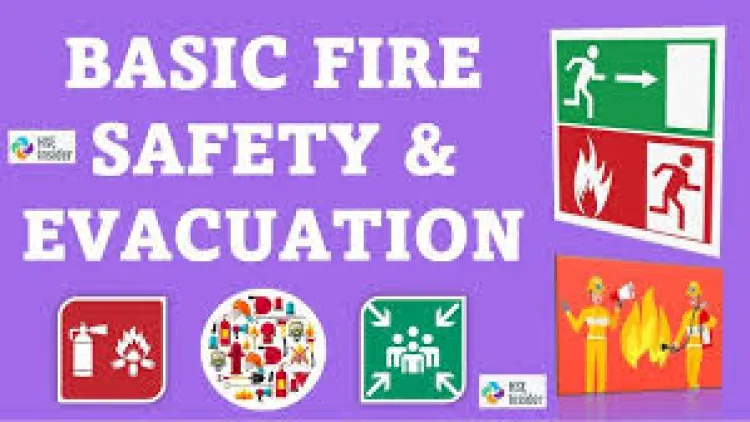
Fire Safety and Emergency Evacuation Procedures training equips professionals with the methodologies to prevent fires, manage fire emergencies, and ensure safe evacuation of personnel. This course focuses on analyzing fire hazards, implementing fire prevention strategies, and understanding the impact of effective evacuation procedures on minimizing injuries and property damage. Participants will learn to utilize fire suppression equipment, develop evacuation plans, and understand the intricacies of fire alarm systems and emergency communication. By mastering fire safety and emergency evacuation, professionals can enhance workplace safety, minimize fire-related risks, and contribute to the creation of a secure and prepared environment.
The critical importance of fire safety necessitates a comprehensive understanding of prevention, preparedness, and response strategies. This course delves into the nuances of fire behavior, building codes, and emergency communication protocols, empowering participants to develop and implement tailored fire safety and evacuation plans. By integrating practical safety techniques with regulatory knowledge, this program enables individuals to lead fire safety initiatives and contribute to the creation of a safe and compliant workplace.
Curriculum & Topics
15 Topics | 10 Days
-
 Subtopic 1.1:
Principles and importance of fire safety and emergency evacuation procedures.
Subtopic 1.1:
Principles and importance of fire safety and emergency evacuation procedures.
-
Subtopic 1.2:
Understanding the relationship between fire hazards and safety.
-
Subtopic 1.3:
Benefits of effective fire safety programs.
-
Subtopic 1.4:
Historical context and evolution of fire safety.
-
Subtopic 2.1:
Techniques for identifying and analyzing fire hazards in the workplace.
-
Subtopic 2.2:
Implementing hazard identification methods (workplace surveys, material safety data sheets).
-
Subtopic 2.3:
Utilizing fire hazard classification systems.
-
Subtopic 2.4:
Managing hazard identification.
-
Subtopic 3.1:
Role of fire prevention strategies and practices.
-
Subtopic 3.2:
Understanding fire prevention techniques (housekeeping, electrical safety).
-
Subtopic 3.3:
Implementing fire prevention plans and procedures.
-
Subtopic 3.4:
Managing fire prevention.
-
Subtopic 4.1:
Techniques for selecting and utilizing appropriate fire suppression equipment.
-
Subtopic 4.2:
Implementing fire extinguisher inspection and maintenance procedures.
-
Subtopic 4.3:
Utilizing fire suppression systems and tools.
-
Subtopic 4.4:
Managing equipment utilization.
-
Subtopic 5.1:
Principles of fire alarm systems and emergency communication.
-
Subtopic 5.2:
Understanding fire alarm components and functions.
-
Subtopic 5.3:
Implementing emergency communication protocols.
-
Subtopic 5.4:
Managing fire alarm systems.
-
Subtopic 6.1:
Techniques for developing and implementing effective evacuation plans.
-
Subtopic 6.2:
Implementing evacuation routes and assembly points.
-
Subtopic 6.3:
Utilizing evacuation plan templates and documentation.
-
Subtopic 6.4:
Managing evacuation planning.
-
Subtopic 7.1:
Role of fire drills and emergency exercises.
-
Subtopic 7.2:
Understanding drill planning and execution.
-
Subtopic 7.3:
Implementing drill evaluation and feedback mechanisms.
-
Subtopic 7.4:
Managing drills and exercises.
-
Subtopic 8.1:
Techniques for conducting fire drills and evaluating evacuation procedures.
-
Subtopic 8.2:
Implementing drill observation and data collection.
-
Subtopic 8.3:
Utilizing drill evaluation reports and feedback.
-
Subtopic 8.4:
Managing evaluation.
-
Subtopic 9.1:
Legal and regulatory requirements related to fire safety.
-
Subtopic 9.2:
Implementing compliance with NFPA and local fire codes.
-
Subtopic 9.3:
Utilizing legal registers and compliance tools.
-
Subtopic 9.4:
Managing legal compliance.
-
Subtopic 10.1:
Techniques for conducting fire safety inspections and audits.
-
Subtopic 10.2:
Implementing inspection checklists and protocols.
-
Subtopic 10.3:
Utilizing audit findings for corrective actions.
-
Subtopic 10.4:
Managing inspections and audits.
-
Subtopic 11.1:
Challenges and opportunities of fire safety in diverse building types and environments.
-
Subtopic 11.2:
Implementing fire safety strategies in different occupancy types.
-
Subtopic 11.3:
Utilizing fire safety techniques for various building designs.
-
Subtopic 11.4:
Managing fire safety in diverse contexts.
-
Subtopic 12.1:
Role of employee training and participation in fire safety.
-
Subtopic 12.2:
Implementing employee involvement and feedback mechanisms.
-
Subtopic 12.3:
Utilizing employee-led fire safety initiatives.
-
Subtopic 12.4:
Managing employee participation.
-
Subtopic 13.1:
Strategies for continuous improvement in fire safety and evacuation procedures.
-
Subtopic 13.2:
Implementing program evaluation and improvement methods.
-
Subtopic 13.3:
Utilizing feedback mechanisms and performance metrics.
-
Subtopic 13.4:
Managing continuous improvement.
-
Subtopic 14.1:
Analyzing real-world examples of fire safety and emergency evacuation.
-
Subtopic 14.2:
Highlighting best practices and effective implementation solutions.
-
Subtopic 14.3:
Documenting project outcomes and impact.
-
Subtopic 14.4:
Industry and fire safety expert testimonials.
-
Subtopic 15.1:
Exploring emerging trends and technologies in fire safety.
-
Subtopic 15.2:
Integrating digital tools, smart building systems, and advanced fire suppression technology.
-
Subtopic 15.3:
Adapting to evolving fire codes and building design standards.
-
Subtopic 15.4:
Building resilient and proactive fire safety systems.