7 Topics
 5 Days
 35 Sessions
Programme Overview
Training Description
• HR directors and managers
• Compensation and benefits professionals
• HR business partners
• Talent acquisition leaders
• Organizational development specialists
• HR analysts and data specialists
• Senior executives and operations managers
• Legal and compliance professionals
• Anyone responsible for managing or designing compensation systems
• Finance professionals and budget managers
Session Objectives
- Understand the strategic role of compensation in talent management.
- Master the principles of job evaluation and salary structure design.
- Conduct a comprehensive pay equity analysis and audit.
- Develop a transparent and effective compensation philosophy.
- Use market data to ensure competitive pay.
About the Course
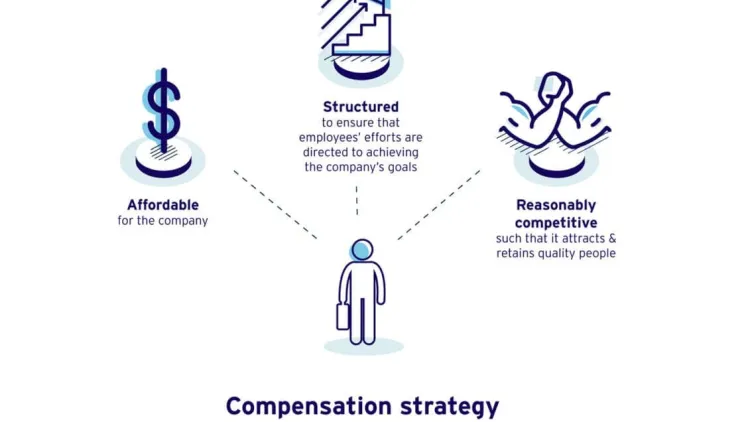
In the modern talent marketplace, a strategic compensation approach is essential for attracting, retaining, and motivating a high-performing workforce. This training course is meticulously designed to equip HR professionals and business leaders with the expertise to design and implement a compensation strategy that is not only competitive but also equitable and compliant. By mastering the principles of compensation design and the tools of pay equity analytics, you can build a system that rewards performance, drives business outcomes, and fosters a culture of trust and fairness. This program provides the essential blueprint for a data-driven compensation philosophy that is both strategic and ethical.
This comprehensive curriculum offers a practical deep dive into the world of compensation, from conducting job evaluations to analyzing pay data for potential disparities. You will learn to leverage data analytics to inform salary structures, create transparent pay philosophies, and conduct a thorough pay equity audit. The course focuses on real-world scenarios and hands-on exercises, helping you to build the skills necessary to navigate complex legal and ethical considerations. By the end of this program, you will not only be proficient in compensation best practices but also be prepared to champion fair pay, influence leadership decisions, and build a compensation strategy that is a true competitive advantage.
Curriculum & Topics
7 Topics | 35 Sessions
-
 Workshop 1.1:
The link between compensation, business strategy, and performance.
-
Workshop 1.2:
Defining total rewards and the role of compensation.
-
Workshop 1.3:
Understanding different compensation philosophies and models.
-
Workshop 1.4:
The psychology of pay and its impact on employee motivation.
-
Workshop 1.5:
Key trends and challenges in modern compensation.
-
Workshop 2.1:
Principles of job evaluation and job analysis.
-
Workshop 2.2:
Creating and maintaining effective job descriptions.
-
Workshop 2.3:
Designing and implementing salary grades and pay bands.
-
Workshop 2.4:
The role of competencies and skills in compensation.
-
Workshop 2.5:
Managing pay for performance vs. pay for tenure.
-
Workshop 3.1:
Identifying and using reliable compensation survey data.
-
Workshop 3.2:
Benchmarking roles and creating a market-informed salary structure.
-
Workshop 3.3:
The importance of a consistent market pricing methodology.
-
Workshop 3.4:
Addressing internal equity vs. external competitiveness.
-
Workshop 3.5:
Using data to inform pay decisions for new hires and promotions.
-
Workshop 4.1:
What is pay equity and why it is a business imperative.
-
Workshop 4.2:
The process of conducting a pay equity audit.
-
Workshop 4.3:
Identifying and addressing pay disparities based on gender, race, etc.
-
Workshop 4.4:
Understanding relevant laws and regulations (e.g., equal pay acts).
-
Workshop 4.5:
Developing a remediation plan for identified disparities.
-
Workshop 5.1:
Key compensation metrics: compa-ratio, salary budget, turnover cost.
-
Workshop 5.2:
Using data to analyze compensation effectiveness and ROI.
-
Workshop 5.3:
Creating a compensation dashboard for leadership.
-
Workshop 5.4:
Applying predictive analytics to forecast compensation costs.
-
Workshop 5.5:
The role of analytics in proving the value of your compensation strategy.
-
Workshop 6.1:
The importance of pay transparency and its impact on trust.
-
Workshop 6.2:
Strategies for communicating salary structures and pay bands.
-
Workshop 6.3:
Preparing leaders for compensation conversations with their teams.
-
Workshop 6.4:
Communicating pay decisions and performance reviews.
-
Workshop 6.5:
Handling difficult conversations about pay.
-
Workshop 7.1:
Emerging trends in compensation (e.g., personalized rewards, flexible pay).
-
Workshop 7.2:
The role of technology and AI in compensation management.
-
Workshop 7.3:
The impact of a gig economy and remote work on pay.
-
Workshop 7.4:
Designing a total rewards strategy that is holistic and engaging.
-
Workshop 7.5:
A personal action plan for leading compensation strategy.