
 9 Topics
 5 Days
Programme Overview
Training Description
Who Should Attend
This course is designed for professionals responsible for evaluating and improving ESG performance within their organizations, including:
- Internal Auditors
- Sustainability Professionals
- ESG Consultants
- Compliance Officers
- Risk Managers
- Investors
- Anyone involved in ESG reporting and assurance
Session Objectives
- Understand the growing importance of ESG factors and their impact on organizations.
- Evaluate ESG frameworks and standards (e.g., GRI, SASB, TCFD).
- Identify and assess material ESG risks and opportunities.
- Conduct ESG audits using industry best practices.
- Develop audit programs and procedures for ESG assessments.
- Evaluate ESG performance and reporting.
- Understand the role of ESG in investment decisions.
- Develop recommendations for improving ESG performance.
- Communicate ESG audit findings effectively to stakeholders.
- Collaborate with business units on ESG initiatives.
- Stay up-to-date with the latest ESG trends and best practices.
- Contribute to a stronger ESG culture within their organizations.
- Enhance their understanding of sustainability and responsible business practices.
- Become a more valuable and sought-after ESG audit professional.
- Understand how to provide assurance over ESG data.
About the Course
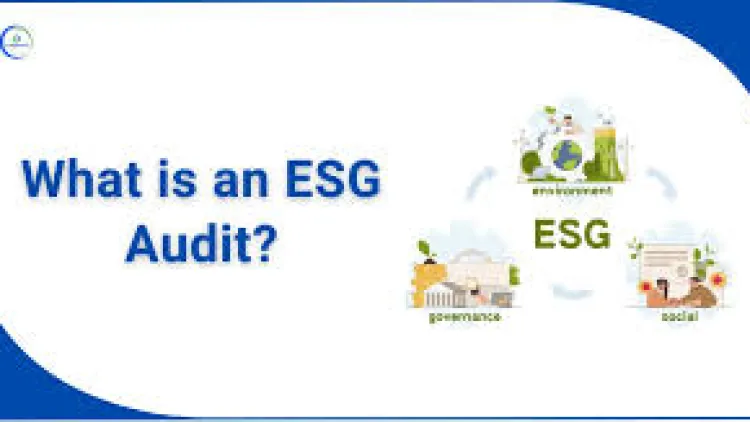
Environmental, Social, and Governance (ESG) factors are increasingly important to investors, stakeholders, and regulators. This comprehensive training course on ESG Auditing equips participants with the specialized knowledge and skills to assess ESG risks and performance within organizations. Participants will learn how to evaluate ESG frameworks, identify material ESG issues, conduct ESG audits, and provide valuable insights to improve sustainability performance and reporting. This course bridges the gap between traditional audit practices and the evolving ESG landscape, empowering participants to become leaders in driving sustainable business practices.
Curriculum & Topics
9 Topics | 5 Days
-
 Subtopic 1.1:
Defining ESG and its growing importance for businesses and investors.
Subtopic 1.1:
Defining ESG and its growing importance for businesses and investors.
-
Subtopic 1.2:
The business case for ESG: value creation and risk mitigation.
-
Subtopic 1.3:
Key ESG concepts and terminology.
-
Subtopic 1.4:
Overview of global sustainability trends and challenges.
-
Subtopic 1.5:
Introduction to ESG reporting frameworks and standards.
-
Subtopic 2.1:
In-depth exploration of GRI (Global Reporting Initiative) standards.
-
Subtopic 2.2:
Understanding SASB (Sustainability Accounting Standards Board) standards.
-
Subtopic 2.3:
Overview of TCFD (Task Force on Climate-related Financial Disclosures) recommendations.
-
Subtopic 2.4:
Exploring other relevant ESG frameworks (e.g., UN SDGs, PRI).
-
Subtopic 2.5:
Comparing and contrasting different ESG frameworks.
-
Subtopic 3.1:
Materiality assessment process and methodologies.
-
Subtopic 3.2:
Stakeholder engagement for identifying material ESG issues.
-
Subtopic 3.3:
Analyzing ESG risks and opportunities.
-
Subtopic 3.4:
Prioritizing material ESG issues for audit and reporting.
-
Subtopic 3.5:
Using data and analytics for ESG materiality assessment.
-
Subtopic 4.1:
Auditing environmental management systems (EMS).
-
Subtopic 4.2:
Assessing environmental impacts and performance.
-
Subtopic 4.3:
Evaluating compliance with environmental regulations.
-
Subtopic 4.4:
Auditing climate change-related risks and opportunities.
-
Subtopic 4.5:
Auditing resource management (energy, water, waste).
-
Subtopic 5.1:
Auditing labor practices and human rights.
-
Subtopic 5.2:
Assessing community engagement and social impact.
-
Subtopic 5.3:
Evaluating diversity, equity, and inclusion (DE&I) practices.
-
Subtopic 5.4:
Auditing supply chain social responsibility.
-
Subtopic 5.5:
Auditing product safety and responsibility.
-
Subtopic 6.1:
Auditing board oversight of ESG issues.
-
Subtopic 6.2:
Assessing ethical conduct and anti-corruption measures.
-
Subtopic 6.3:
Evaluating risk management related to ESG factors.
-
Subtopic 6.4:
Auditing transparency and disclosure practices.
-
Subtopic 6.5:
Auditing stakeholder engagement and communication.
-
Subtopic 7.1:
Collecting and managing ESG data.
-
Subtopic 7.2:
Ensuring data quality and reliability.
-
Subtopic 7.3:
Developing ESG reports and disclosures.
-
Subtopic 7.4:
Using ESG reporting software and tools.
-
Subtopic 7.5:
Understanding ESG assurance and verification.
-
Subtopic 8.1:
Developing an ESG audit program.
-
Subtopic 8.2:
Planning and executing ESG audits.
-
Subtopic 8.3:
Gathering and analyzing ESG evidence.
-
Subtopic 8.4:
Documenting and reporting ESG audit findings.
-
Subtopic 8.5:
Following up on ESG audit recommendations.
-
Subtopic 9.1:
The evolving ESG landscape and regulatory developments.
-
Subtopic 9.2:
The increasing importance of ESG integration in business strategy.
-
Subtopic 9.3:
Sustainable finance and ESG investing.
-
Subtopic 9.4:
The role of technology in ESG reporting and assurance.
-
Subtopic 9.5:
The future of ESG auditing and its contribution to a sustainable future.