14 Topics
 5 Days
Programme Overview
Training Description
Local Government Officials and Planners
City and Municipal Managers
Community Development Workers
Civil Society and NGO Leaders
Public Finance and Budget Analysts
Urban Planners and Architects
Social Workers and Activists
Educators and Researchers
Neighborhood Association Representatives
Donors and International Development Staff
Session Objectives
- Grasp the core principles and benefits of participatory budgeting. Design a culturally sensitive and inclusive PB process. Mobilize and engage diverse community groups effectively. Develop a transparent and fair voting mechanism for projects
About the Course
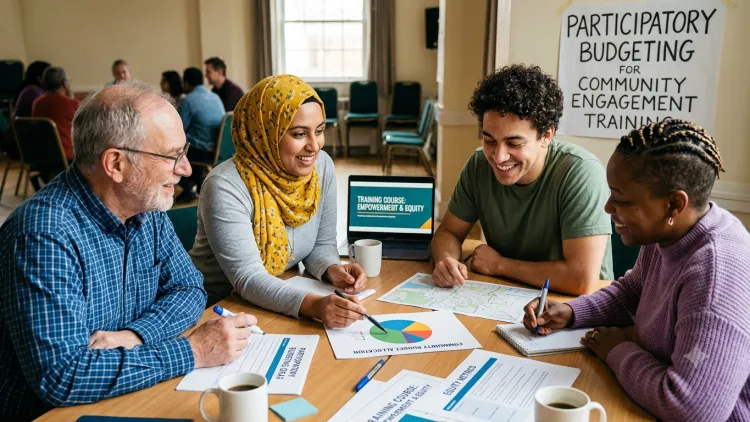
Participatory budgeting (PB) is a democratic process in which community members directly decide how to spend a portion of a public budget. This innovative approach to public finance management enhances transparency, increases public trust, and ensures that government spending truly reflects the needs and priorities of the people it serves. By giving citizens a seat at the table, participatory budgeting strengthens local governance, fosters civic engagement, and builds more resilient and inclusive communities.
This intensive ten-day training course is designed for local government officials, community leaders, and development practitioners who are passionate about empowering citizens. Participants will gain the foundational knowledge and practical skills required to design, implement, and manage a successful participatory budgeting process. The curriculum covers the entire lifecycle of a PB initiative, from initial design and community mobilization to project implementation and evaluation, equipping you to transform public finance into a powerful tool for community development.
Curriculum & Topics
14 Topics | 5 Days
-
 Subtopic 1.1:
What is participatory budgeting and its historical context
Subtopic 1.1:
What is participatory budgeting and its historical context
-
Subtopic 1.2:
Key principles: transparency, equity, and civic participation
-
Subtopic 1.3:
The benefits of PB for governance and community development
-
Subtopic 1.4:
Differentiating PB from other forms of public consultation
-
Subtopic 1.5:
Global trends and the evolution of PB
-
Subtopic 2.1:
Defining the scope and size of the participatory budget
-
Subtopic 2.2:
Setting clear rules and a timeline for the process
-
Subtopic 2.3:
Identifying and engaging key stakeholders
-
Subtopic 2.4:
Creating a communications strategy to reach all residents
-
Subtopic 2.5:
Structuring the institutional framework for PB
-
Subtopic 3.1:
Strategies for reaching marginalized and vulnerable groups
-
Subtopic 3.2:
The role of community leaders and facilitators
-
Subtopic 3.3:
Using social media, workshops, and door-to-door campaigns
-
Subtopic 3.4:
Building a sense of ownership and trust
-
Subtopic 3.5:
Addressing potential barriers to participation
-
Subtopic 4.1:
Facilitating community assemblies and public forums
-
Subtopic 4.2:
Tools for brainstorming and idea generation
-
Subtopic 4.3:
Transforming raw ideas into concrete project proposals
-
Subtopic 4.4:
Criteria for evaluating proposals based on public priorities
-
Subtopic 4.5:
The role of technical experts in refining proposals
-
Subtopic 5.1:
Designing a fair and accessible voting system
-
Subtopic 5.2:
In-person vs. digital voting platforms
-
Subtopic 5.3:
Strategies to maximize voter turnout and participation
-
Subtopic 5.4:
Ensuring the integrity and security of the vote
-
Subtopic 5.5:
Communicating the results transparently
-
Subtopic 6.1:
The transition from voted projects to budget allocation
-
Subtopic 6.2:
Contracting and procurement for PB projects
-
Subtopic 6.3:
Managing project timelines and budgets
-
Subtopic 6.4:
The role of community members in project oversight
-
Subtopic 6.5:
Dealing with unexpected challenges and delays
-
Subtopic 7.1:
Legal authority for local governments to implement PB
-
Subtopic 7.2:
Integrating PB funds into the official budget
-
Subtopic 7.3:
Financial management and accounting for PB projects
-
Subtopic 7.4:
Creating a PB-specific budget line
-
Subtopic 7.5:
The role of audit in ensuring fiscal responsibility
-
Subtopic 8.1:
Analysis of successful PB initiatives in cities worldwide
-
Subtopic 8.2:
Lessons learned from different cultural and political contexts
-
Subtopic 8.3:
Examples of PB in different sectors (e.g., infrastructure, social services)
-
Subtopic 8.4:
Studying the impact of PB on local policies and services
-
Subtopic 8.5:
Critical review of challenges and failures
-
Subtopic 9.1:
Designing a framework to track the progress of PB projects
-
Subtopic 9.2:
Developing indicators for both process and outcome evaluation
-
Subtopic 9.3:
Measuring the impact of PB on community trust and engagement
-
Subtopic 9.4:
Collecting and analyzing feedback from participants
-
Subtopic 9.5:
Using M&E data to improve future PB cycles
-
Subtopic 10.1:
The use of online platforms for proposal submission and voting
-
Subtopic 10.2:
Leveraging mobile technology for wider participation
-
Subtopic 10.3:
Data visualization and mapping for transparent reporting
-
Subtopic 10.4:
Managing and protecting participant data
-
Subtopic 10.5:
The role of digital tools in hybrid PB models
-
Subtopic 11.1:
Training facilitators and community leadersvvvvvv
-
Subtopic 11.2:
Educating government officials on their new roles
-
Subtopic 11.3:
Workshops for residents on budget literacy and proposal writing
-
Subtopic 11.4:
Building a sustainable network of PB champions
-
Subtopic 11.5:
Creating a knowledge-sharing platform
-
Subtopic 12.1:
Integrating PB with other governance reforms
-
Subtopic 12.2:
Using PB to address climate and environmental issues
-
Subtopic 12.3:
The role of PB in post-conflict or humanitarian settings
-
Subtopic 12.4:
PB for youth and school communities
-
Subtopic 12.5:
Scaling PB from a pilot project to a city-wide program
-
Subtopic 13.1:
Overcoming political resistance and bureaucratic inertia
-
Subtopic 13.2:
Dealing with data and information asymmetries
-
Subtopic 13.3:
Managing conflicts and disagreements during the process
-
Subtopic 13.4:
Ensuring equitable distribution of projects across neighborhoods
-
Subtopic 13.5:
Maintaining momentum and preventing fatigue
-
Subtopic 14.1:
Building a compelling case for PB to decision-makers
-
Subtopic 14.2:
Communicating the value and impact of PB to the public
-
Subtopic 14.3:
Engaging the media to promote success stories
-
Subtopic 14.4:
The role of civil society advocacy in institutionalizing PB
-
Subtopic 14.5:
Forming alliances to support a legal framework for PB