
 9 Topics
 5 Days
Programme Overview
Training Description
Who Should Attend
This course is designed for office professionals who want to automate repetitive tasks, including:
- Office Administrators
- Administrative Assistants
- Data Entry Clerks
- Report Generators
- Anyone seeking to improve efficiency through automation
Session Objectives
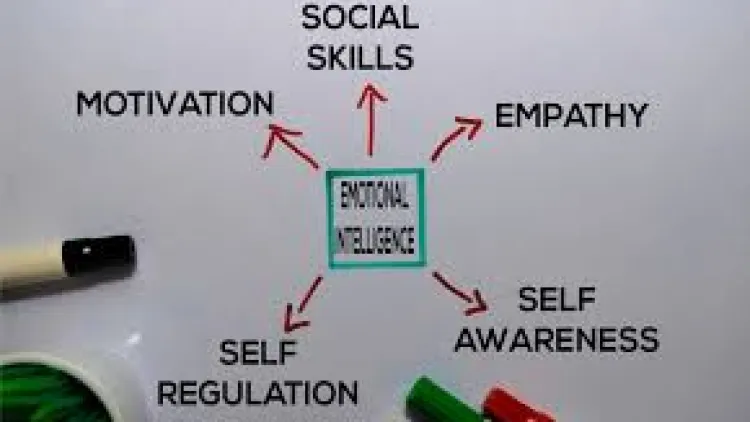
- Understand the core components of emotional intelligence (self-awareness, self-regulation, motivation, empathy, social skills).
- Enhance self-awareness and recognize personal emotional triggers.
- Develop strategies for managing emotions and controlling impulses.
- Improve communication skills through active listening and empathy.
- Build and maintain positive relationships with colleagues and clients.
- Understand and navigate workplace conflicts with emotional intelligence.
- Foster a positive and inclusive work environment.
- Utilize emotional intelligence to enhance leadership skills.
- Understand the impact of emotional intelligence on team performance.
- Develop strategies for building resilience and managing stress.
- Enhance their ability to provide and receive constructive feedback.
- Improve their ability to influence and persuade others.
- Contribute to a more collaborative and supportive workplace culture.
- Stay up-to-date with the latest research and best practices in emotional intelligence.
- Become a more emotionally intelligent and effective professional.
- Understand ethical considerations in emotional intelligence.
- Learn how to apply emotional intelligence in various workplace scenarios.
About the Course
Emotional intelligence (EI) is a critical skill for building strong relationships and fostering a positive work environment. This training course on Emotional Intelligence in the Workplace equips participants with the specialized knowledge and skills to understand and manage emotions effectively. Participants will learn how to enhance self-awareness, improve communication, and build empathy, creating a more harmonious and productive workplace. This course bridges the gap between technical skills and interpersonal effectiveness, empowering professionals to lead with emotional intelligence.
Curriculum & Topics
9 Topics | 5 Days
-
 Subtopic 1.1:
Defining emotional intelligence and its components.
Subtopic 1.1:
Defining emotional intelligence and its components.
-
Subtopic 1.2:
Understanding the importance of EI in the workplace.
-
Subtopic 1.3:
Exploring the benefits of high EI for individuals and teams.
-
Subtopic 1.4:
The relationship between EI and leadership effectiveness.
-
Subtopic 1.5:
Debunking common myths and misconceptions about EI.
-
Subtopic 2.1:
Developing self-awareness through introspection and reflection.
-
Subtopic 2.2:
Identifying personal emotional triggers and patterns.
-
Subtopic 2.3:
Understanding the impact of emotions on thoughts and behaviors.
-
Subtopic 2.4:
Using self-assessment tools to evaluate EI.
-
Subtopic 2.5:
Practicing mindfulness and emotional regulation techniques.
-
Subtopic 3.1:
Developing strategies for managing stress and anxiety.
-
Subtopic 3.2:
Controlling impulses and reacting thoughtfully.
-
Subtopic 3.3:
Practicing emotional resilience and adaptability.
-
Subtopic 3.4:
Understanding the importance of emotional balance.
-
Subtopic 3.5:
Techniques for maintaining composure in challenging situations.
-
Subtopic 4.1:
Understanding intrinsic and extrinsic motivation.
-
Subtopic 4.2:
Aligning personal goals with organizational objectives.
-
Subtopic 4.3:
Developing a growth mindset and fostering optimism.
-
Subtopic 4.4:
Using EI to enhance personal and team motivation.
-
Subtopic 4.5:
Strategies for staying motivated during setbacks and challenges.
-
Subtopic 5.1:
Developing active listening and perspective-taking skills.
-
Subtopic 5.2:
Recognizing and understanding non-verbal cues.
-
Subtopic 5.3:
Practicing empathy in diverse work environments.
-
Subtopic 5.4:
Building rapport and trust through empathetic communication.
-
Subtopic 5.5:
Understanding the impact of empathy on team collaboration.
-
Subtopic 6.1:
Developing effective communication and interpersonal skills.
-
Subtopic 6.2:
Building and maintaining positive relationships with colleagues and clients.
-
Subtopic 6.3:
Managing conflict and resolving disputes constructively.
-
Subtopic 6.4:
Using EI to enhance influence and persuasion.
-
Subtopic 6.5:
Understanding the importance of teamwork and collaboration.
-
Subtopic 7.1:
Using EI to deliver and receive constructive feedback.
-
Subtopic 7.2:
Communicating effectively in challenging conversations.
-
Subtopic 7.3:
Understanding the impact of EI on communication styles.
-
Subtopic 7.4:
Using EI to build rapport and trust in communication.
-
Subtopic 7.5:
Handling difficult conversations with emotional intelligence.
-
Subtopic 8.1:
Understanding the impact of EI on team dynamics and culture.
-
Subtopic 8.2:
Fostering a positive and inclusive work environment.
-
Subtopic 8.3:
Using EI to enhance team collaboration and productivity.
-
Subtopic 8.4:
Building a culture of trust and psychological safety.
-
Subtopic 8.5:
Understanding the role of EI in change management.
-
Subtopic 9.1:
Creating a personal EI development plan.
-
Subtopic 9.2:
Integrating EI into daily work practices.
-
Subtopic 9.3:
Applying EI in various workplace scenarios (e.g., meetings, negotiations).
-
Subtopic 9.4:
Using EI to enhance leadership effectiveness.
-
Subtopic 9.5:
Continuous learning and development in emotional intelligence.