15 Topics
 5 Days
Programme Overview
Training Description
Farmers and agricultural producers
Agribusiness entrepreneurs and startups
Agricultural marketing and sales professionals
Food processors and distributors
Agricultural cooperatives and producer organizations
E-commerce managers and specialists
Digital marketing professionals
Small business owners in the agricultural sector
Rural development practitioners
Agricultural consultants and advisors
Students of marketing and agribusiness
Individuals interested in agri-digital marketing
Web developers specializing in e-commerce
Session Objectives
- Understand the principles and benefits of e-commerce and agri-digital marketing. Implement techniques for building and managing an online store for agricultural products. Understand the role of social media marketing in promoting agricultural products. Implement techniques for creating and managing effective social media campaigns. Understand the principles of search engine optimization (SEO) for agricultural websites. Implement techniques for optimizing website content and structure for search engines. Understand the role of email marketing in building customer relationships. Implement techniques for creating and managing effective email marketing campaigns.
About the Course
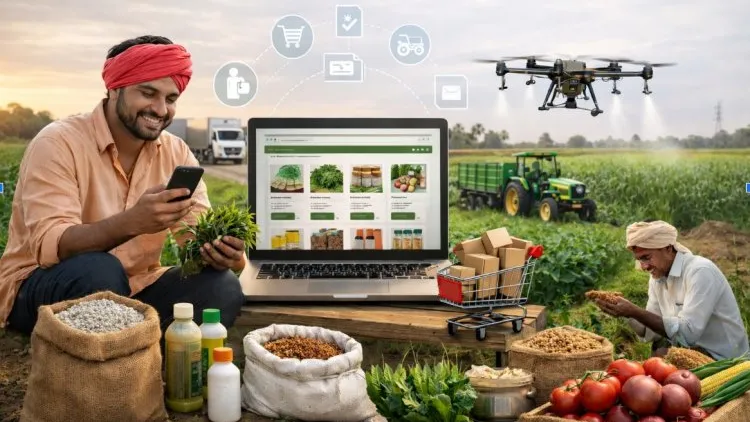
E-Commerce and Agri-Digital Marketing equips agricultural businesses and entrepreneurs with the skills to leverage online platforms for increased sales and market reach. This course focuses on understanding e-commerce strategies, implementing effective digital marketing techniques, and utilizing data analytics to optimize online performance. Participants will learn to build online stores, create engaging digital content, and reach target audiences through various digital channels. By mastering e-commerce and agri-digital marketing, professionals can expand their customer base, enhance brand visibility, and drive sustainable growth in the agricultural sector.
The digital revolution has transformed how agricultural products are bought and sold. This course delves into the intricacies of online marketplaces, social media marketing, and search engine optimization, empowering participants to establish a strong online presence and connect with customers globally. By integrating digital marketing strategies with agricultural expertise, this program enables individuals to create successful e-commerce ventures that promote agricultural products, enhance market access, and build lasting customer relationships.
Curriculum & Topics
15 Topics | 5 Days
-
 Subtopic 1.1:
Principles and benefits of online sales in agriculture.
Subtopic 1.1:
Principles and benefits of online sales in agriculture.
-
Subtopic 1.2:
Understanding the role of digital marketing in market expansion.
-
Subtopic 1.3:
Benefits of building a direct-to-consumer online presence.
-
Subtopic 1.4:
Historical context and current e-commerce trends.
-
Subtopic 2.1:
Techniques for setting up and managing an e-commerce platform.
-
Subtopic 2.2:
Implementing website design and user experience (UX) principles.
-
Subtopic 2.3:
Utilizing product photography and catalog management.
-
Subtopic 2.4:
Managing online payment gateways and secure transactions.
-
Subtopic 3.1:
Understanding the role of social media in agricultural branding.
-
Subtopic 3.2:
Implementing social media platform selection and optimization.
-
Subtopic 3.3:
Utilizing social media scheduling and engagement tools.
-
Subtopic 3.4:
Managing social media advertising and influencer marketing.
-
Subtopic 4.1:
Techniques for creating engaging social media posts and stories.
-
Subtopic 4.2:
Implementing social media contests and promotions.
-
Subtopic 4.3:
Utilizing social media analytics and reporting.
-
Subtopic 4.4:
Managing social media community building and interaction.
-
Subtopic 5.1:
Understanding how search engines rank agricultural websites.
-
Subtopic 5.2:
Implementing keyword research and on-page optimization.
-
Subtopic 5.3:
Utilizing link building and technical SEO strategies.
-
Subtopic 5.4:
Managing SEO audits and performance tracking.
-
Subtopic 6.1:
Techniques for optimizing website structure and navigation.
-
Subtopic 6.2:
Implementing schema markup and structured data.
-
Subtopic 6.3:
Utilizing content optimization and blog management.
-
Subtopic 6.4:
Managing website speed and mobile responsiveness.
-
Subtopic 7.1:
Understanding the role of email in customer relationship management.
-
Subtopic 7.2:
Implementing email list building and segmentation.
-
Subtopic 7.3:
Utilizing email automation and personalization.
-
Subtopic 7.4:
Managing email deliverability and compliance.
-
Subtopic 8.1:
Techniques for creating effective email newsletters and promotions.
-
Subtopic 8.2:
Implementing email marketing analytics and A/B testing.
-
Subtopic 8.3:
Utilizing email marketing software and tools.
-
Subtopic 8.4:
Managing email campaign performance and reporting.
-
Subtopic 9.1:
Understanding the principles of online advertising platforms.
-
Subtopic 9.2:
Implementing Google Ads and social media advertising campaigns.
-
Subtopic 9.3:
Utilizing retargeting and audience segmentation.
-
Subtopic 9.4:
Managing digital advertising budgets and ROI.
-
Subtopic 10.1:
Techniques for creating compelling ad copy and visuals.
-
Subtopic 10.2:
Implementing ad campaign tracking and conversion optimization.
-
Subtopic 10.3:
Utilizing landing page optimization and A/B testing.
-
Subtopic 10.4:
Managing ad campaign performance and reporting.
-
Subtopic 11.1:
Understanding the role of data in optimizing online sales.
-
Subtopic 11.2:
Implementing website analytics and e-commerce tracking.
-
Subtopic 11.3:
Utilizing customer behavior analysis and reporting.
-
Subtopic 11.4:
Managing data visualization and insights.
-
Subtopic 12.1:
Techniques for using Google Analytics and other analytics platforms.
-
Subtopic 12.2:
Implementing conversion rate optimization (CRO) strategies.
-
Subtopic 12.3:
Utilizing customer journey mapping and analysis.Managing data-driven decision making.
-
Subtopic 12.4:
Managing data-driven decision making.
-
Subtopic 13.1:
Module 13: Promoting Agri-E-commerce Initiatives.
-
Subtopic 13.2:
Building partnerships with online marketplaces and platforms.
-
Subtopic 13.3:
Implementing customer loyalty and referral programs.
-
Subtopic 13.4:
Managing online reputation and customer reviews.
-
Subtopic 14.1:
Analyzing real-world examples of successful online agricultural businesses.
-
Subtopic 14.2:
Highlighting best practices and innovative digital strategies.
-
Subtopic 14.3:
Documenting sales growth and customer engagement.
-
Subtopic 14.4:
Entrepreneur and e-commerce specialist testimonials.
-
Subtopic 15.1:
Exploring emerging technologies and e-commerce trends in agriculture.
-
Subtopic 15.2:
Integrating artificial intelligence and machine learning.
-
Subtopic 15.3:
Adapting to evolving consumer behavior and digital platforms.
-
Subtopic 15.4:
Building resilient and sustainable online agricultural businesses.