15 Topics
 10 Days
 75 Sessions
Programme Overview
Training Description
Who Should Attend
This course is ideal for;
1. Utility Strategists and Grid Planning Engineers
2. Distributed Energy Resource (DER) Developers
3. Energy Management Software and Platform Vendors
4. Regulatory and Policy Analysts in the power sector
5. Grid Operations and System Operators
6. Investment Analysts focused on clean energy and flexibility markets
Session Objectives
- Design and deploy effective Virtual Power Plants (VPPs).
- Master real-time optimization and control of heterogeneous DER fleets.
- Navigate wholesale market participation for aggregated resources.
- Implement robust cybersecurity and data management protocols.
- Analyze the business case for DER aggregation and value stacking.
About the Course
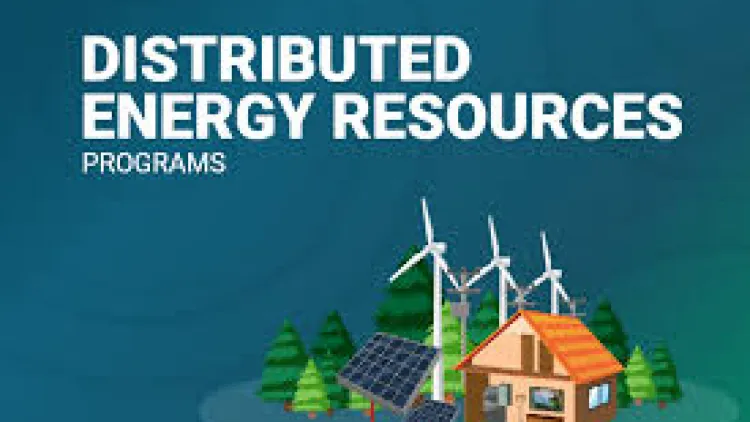
This specialist course offers an in-depth exploration of how to successfully design, operate, and monetize Distributed Energy Resource (DER) aggregation systems, forming what are known as Virtual Power Plants (VPPs). It focuses on the crucial technical and commercial challenges involved in coordinating diverse assets—such as residential solar, battery storage, and electric vehicles—to provide essential services back to the electric grid and wholesale markets. Participants will master the software and optimization algorithms required for Real-Time Control, forecasting, and value stacking across multiple revenue streams. The curriculum is essential for professionals looking to transition centralized grid models toward a flexible, decentralized, and highly resilient energy future.
Curriculum & Topics
15 Topics | 75 Sessions
-
 Workshop 1.1:
The rise of distributed energy resources
Workshop 1.1:
The rise of distributed energy resources
-
Workshop 1.2:
The impact on the traditional power grid
-
Workshop 1.3:
The need for aggregation and coordination
-
Workshop 1.4:
The concept of a Virtual Power Plant (VPP)
-
Workshop 1.5:
The role of a VPP in the energy transition
-
Workshop 2.1:
An overview of solar PV and battery storage
-
Workshop 2.2:
The role of electric vehicles and smart charging
-
Workshop 2.3:
Demand response and energy efficiency
-
Workshop 2.4:
The importance of a clear and focused research question
-
Workshop 2.5:
Integration with other clean technologies
-
Workshop 3.1:
The architecture of a VPP
-
Workshop 3.2:
The core components: DERs, a central management system, and communication
-
Workshop 3.3:
The role of a "risk and mitigation" plan
-
Workshop 3.4:
The difference between a VPP and a microgrid
-
Workshop 3.5:
Real-time control and dispatch
-
Workshop 4.1:
The concept of ancillary services
-
Workshop 4.2:
Frequency regulation and voltage support
-
Workshop 4.3:
The importance of a simple scorecard and a dashboard
-
Workshop 4.4:
Capacity and peak demand management
-
Workshop 4.5:
The role of a VPP in black start services
-
Workshop 5.1:
The software and hardware for aggregation
-
Workshop 5.2:
The role of a "data story map"
-
Workshop 5.3:
Communication protocols and standards (e.g., OpenADR)
-
Workshop 5.4:
The use of a simple scorecard and a dashboard
-
Workshop 5.5:
Data management and security
-
Workshop 6.1:
The revenue streams for a VPP
-
Workshop 6.2:
The importance of a clear and consistent reporting style
-
Workshop 6.3:
Participation in wholesale energy markets
-
Workshop 6.4:
The role of a clear and compelling KPI
-
Workshop 6.5:
The business case for DER aggregation
-
Workshop 7.1:
Using data to forecast DER availability and demand
-
Workshop 7.2:
The role of a "stakeholder analysis"
-
Workshop 7.3:
The use of machine learning for optimization
-
Workshop 7.4:
The importance of a clear and focused research question
-
Workshop 7.5:
Predictive maintenance for DERs
-
Workshop 8.1:
The importance of a common communication standard
-
Workshop 8.2:
The role of a "data story map"
-
Workshop 8.3:
Interoperability challenges between different vendors
-
Workshop 8.4:
The role of a "program's theory of change"
-
Workshop 8.5:
The future of open-source protocols
-
Workshop 9.1:
The role of government policy in enabling aggregation
-
Workshop 9.2:
The importance of a "risk and mitigation" plan
-
Workshop 9.3:
Regulatory frameworks for VPP participation
-
Workshop 9.4:
The importance of a clear and compelling KPI
-
Workshop 9.5:
The evolution of market rules
-
Workshop 10.1:
The unique security vulnerabilities of VPPs
-
Workshop 10.2:
Securing the communication network
-
Workshop 10.3:
The role of a "stakeholder analysis"
-
Workshop 10.4:
Protecting the central management system
-
Workshop 10.5:
Best practices for a secure VPP ecosystem
-
Workshop 11.1:
Case study: A successful VPP in a residential community
-
Workshop 11.2:
Case study: An industrial VPP for demand response
-
Workshop 11.3:
Case study: A VPP for grid stability
-
Workshop 11.4:
Lessons learned from global projects
-
Workshop 11.5:
The future of VPPs
-
Workshop 12.1:
The lifecycle of a DER aggregation project
-
Workshop 12.2:
Managing a team and a budget
-
Workshop 12.3:
The importance of a clear and consistent reporting style
-
Workshop 12.4:
The role of a "risk and mitigation" plan
-
Workshop 12.5:
The use of a simple scorecard and a dashboard
-
Workshop 13.1:
The financial components of a DER aggregation project
-
Workshop 13.2:
The importance of a "data story map"
-
Workshop 13.3:
The role of a program's theory of change
-
Workshop 13.4:
Return on Investment (ROI) and payback period
-
Workshop 13.5:
The financial viability of different business models
-
Workshop 14.1:
The importance of a "stakeholder analysis"
-
Workshop 14.2:
The role of a clear and compelling KPI
-
Workshop 14.3:
The business case for homeowners and businesses
-
Workshop 14.4:
Customer onboarding and management
-
Workshop 14.5:
The importance of a clear and focused research question
-
Workshop 15.1:
The role of blockchain and DLT
-
Workshop 15.2:
The impact of EVs on VPPs
-
Workshop 15.3:
The future of peer-to-peer energy trading
-
Workshop 15.4:
The evolution of energy markets
-
Workshop 15.5:
The role of aggregation in a decarbonized grid