14 Topics
 5 Days
 56 Sessions
Programme Overview
Training Description
Farmers and agricultural producers
Agricultural extension officers and advisors
Agribusiness entrepreneurs and startups
Agricultural marketing and sales professionals
Agricultural technology providers
Rural development practitioners
Agricultural policymakers and government officials
Researchers and scientists
Agricultural investors and financiers
Supply chain managers
Students of agricultural technology and development
Individuals interested in digital agriculture
Cooperative managers
Session Objectives
- Understand the principles and benefits of digital technologies in agriculture and market access. Implement techniques for utilizing mobile technology and applications in agricultural operations. Understand the role of remote sensing and geospatial technologies in agriculture. Implement techniques for utilizing data analytics and precision agriculture tools. Understand the principles of e-commerce and digital marketing for agricultural products. Implement techniques for developing and managing digital platforms for market access. Understand the role of digital financial services in agricultural value chains.
About the Course
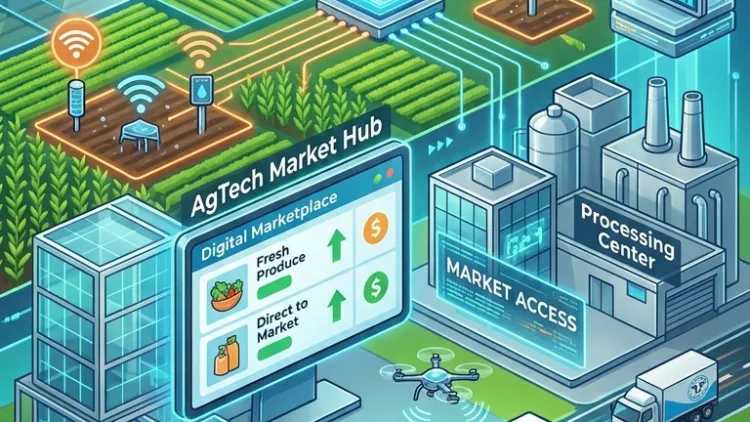
Digital Technologies in Agriculture and Market Access empowers agricultural stakeholders to leverage technology for improved productivity, efficiency, and market connectivity. This course focuses on understanding the diverse applications of digital tools, implementing effective data management strategies, and utilizing digital platforms to enhance market access for farmers. Participants will learn to integrate technology into farming practices, analyze data-driven insights, and navigate the digital marketplace. By mastering digital agriculture, professionals can drive innovation, reduce information asymmetry, and foster sustainable agricultural development.
The rapid advancement of digital technologies offers unprecedented opportunities to transform the agricultural sector. This course delves into the practical applications of mobile technology, remote sensing, data analytics, and e-commerce platforms, empowering participants to harness the power of digital tools to improve farm management and market access. By integrating technology into agricultural value chains, individuals can create more transparent, efficient, and equitable market systems that benefit both farmers and consumers
Curriculum & Topics
14 Topics | 56 Sessions
-
 Workshop 1.1:
Principles and benefits of technology integration in agriculture.
-
Workshop 1.2:
Understanding the role of digital tools in market expansion.
-
Workshop 1.3:
Benefits of data-driven decision making and efficiency.
-
Workshop 1.4:
Historical context and emerging digital agriculture trends.
-
Workshop 2.1:
Techniques for utilizing mobile apps for farm management.
-
Workshop 2.2:
Implementing mobile-based data collection and communication.
-
Workshop 2.3:
Utilizing SMS and USSD for information dissemination.
-
Workshop 2.4:
Managing mobile device usage and data security.
-
Workshop 3.1:
Understanding the role of satellite imagery and drones.
-
Workshop 3.2:
Implementing GIS mapping and spatial analysis.
-
Workshop 3.3:
Utilizing remote sensing for crop monitoring and resource management.
-
Workshop 3.4:
Managing geospatial data and interpretation.
-
Workshop 4.1:
Techniques for utilizing data analytics for farm optimization.
-
Workshop 4.2:
Implementing precision agriculture technologies and sensors.
-
Workshop 4.3:
Utilizing data visualization and reporting tools.
-
Workshop 4.4:
Managing data analysis and actionable insights.
-
Workshop 5.1:
Understanding the principles of online sales and marketing.
-
Workshop 5.2:
Implementing e-commerce platforms and online marketplaces.
-
Workshop 5.3:
Utilizing social media and digital advertising.
-
Workshop 5.4:
Managing online transactions and customer engagement.
-
Workshop 6.1:
Techniques for developing and managing online trading platforms.
-
Workshop 6.2:
Implementing digital marketplaces for farmers and buyers.
-
Workshop 6.3:
Utilizing mobile apps for market information and transactions.
-
Workshop 6.4:
Managing platform security and user experience.
-
Workshop 7.1:
Understanding the principles of data storage and protection.
-
Workshop 7.2:
Implementing data privacy and security measures.
-
Workshop 7.3:
Utilizing cloud storage and data backup systems.
-
Workshop 7.4:
Managing data access and sharing protocols.
-
Workshop 8.1:
Techniques for utilizing digital tools for tracking agricultural products.
-
Workshop 8.2:
Implementing blockchain and QR codes for traceability.
-
Workshop 8.3:
Utilizing data analytics for supply chain optimization.
-
Workshop 8.4:
Managing supply chain data integrity and security.
-
Workshop 9.1:
Techniques for utilizing digital tools for agricultural extension.
-
Workshop 9.2:
Implementing online learning platforms and webinars.
-
Workshop 9.3:
Utilizing social media and messaging apps for information sharing.
-
Workshop 9.4:
Managing digital information campaigns.
-
Workshop 10.1:
Understanding data privacy and cyber security regulations.
-
Workshop 10.2:
Implementing e-commerce and digital transaction laws.
-
Workshop 10.3:
Utilizing intellectual property and data ownership rights.
-
Workshop 10.4:
Managing legal compliance and data governance.
-
Workshop 11.1:
Understanding the importance of digital skills in agriculture.
-
Workshop 11.2:
Implementing training programs for farmers and stakeholders.
-
Workshop 11.3:
Utilizing digital literacy tools and resources.
-
Workshop 11.4:
Managing digital capacity building initiatives.
-
Workshop 12.1:
Developing digital agriculture strategies and policies.
-
Workshop 12.2:
Building partnerships with technology providers and stakeholders.
-
Workshop 12.3:
Implementing pilot projects and scaling up successful models.
-
Workshop 12.4:
Managing digital agriculture investment and funding.
-
Workshop 13.1:
Analyzing real-world examples of successful technology integration.
-
Workshop 13.2:
Highlighting best practices and innovative digital solutions.
-
Workshop 13.3:
Documenting economic and social impacts.
-
Workshop 13.4:
Farmer and technology provider testimonials.
-
Workshop 14.1:
Exploring emerging technologies and trends in agriculture.
-
Workshop 14.2:
Integrating artificial intelligence and machine learning.
-
Workshop 14.3:
Adapting to evolving digital landscapes and market demands.
-
Workshop 14.4:
Building resilient and sustainable digital agricultural ecosystems.