
 9 Topics
 5 Days
Programme Overview
Training Description
• HR Managers and HR Business Partners
• Talent Management and OD Professionals
• Learning and Development Specialists
• Compensation and Benefits Analysts
• HR Strategy and Workforce Planners
• HR Analytics and Reporting Professionals
• CHROs and HR Directors
• Internal HR Consultants
• People Data Analysts
Session Objectives
- Develop comprehensive HR scorecards for various talent functions
- Apply data-driven approaches to assess and improve HR initiatives
- Understand the relationship between workforce analytics and KPIs
- Improve accountability and ownership across the HR function
- •Enhance decision-making with predictive and leading HR indicators
About the Course
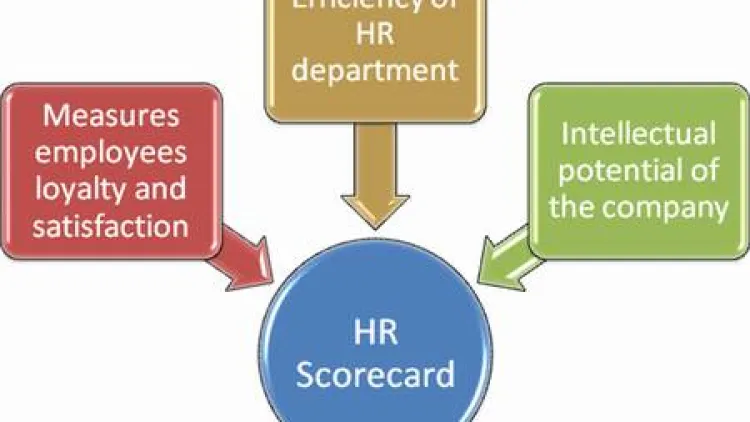
In an era where HR is expected to drive measurable business outcomes, the Designing KPI Systems & Talent Scorecards for HR Training Course equips professionals with the strategic and analytical tools needed to link people performance to organizational success. This highly practical course empowers HR leaders to develop robust Key Performance Indicators (KPIs), design tailored HR scorecards, and align talent metrics with business priorities such as productivity, engagement, retention, and succession planning. With the right measurement systems in place, HR becomes a data-driven partner that delivers actionable insights for strategic workforce management.
Through a combination of modern frameworks, case studies, and data visualization techniques, this training provides a comprehensive blueprint for building KPI models that track talent effectiveness, measure HR interventions, and support continuous improvement. Participants will gain the skills to cascade KPIs across departments, align them with enterprise goals, and present data in a compelling format to stakeholders. By mastering the art of performance measurement, HR teams will be better positioned to inform leadership decisions and demonstrate ROI on human capital investments.
Curriculum & Topics
9 Topics | 5 Days
-
 Subtopic 1.1:
Understanding the principles of effective KPIs
Subtopic 1.1:
Understanding the principles of effective KPIs
-
Subtopic 1.2:
Differentiating between lagging and leading indicators
-
Subtopic 1.3:
Aligning HR metrics with strategic goals and outcomes
-
Subtopic 1.4:
Avoiding common pitfalls in KPI development
-
Subtopic 1.5:
The strategic role of metrics in HR transformation
-
Subtopic 2.1:
KPIs for recruitment and onboarding effectiveness
-
Subtopic 2.2:
Metrics for learning, performance, and development
-
Subtopic 2.3:
Retention, turnover, and engagement measurement
-
Subtopic 2.4:
Diversity, equity, and inclusion (DEI) indicators
-
Subtopic 2.5:
Exit metrics and offboarding quality analysis
-
Subtopic 3.1:
Structure and components of an effective HR scorecard
-
Subtopic 3.2:
Customizing scorecards by function, department, or role
-
Subtopic 3.3:
Tracking leading indicators of talent pipeline health
-
Subtopic 3.4:
Using scorecards for strategic talent reviews
-
Subtopic 4.1:
KPIs for workforce capacity, utilization, and gaps
-
Subtopic 4.2:
Headcount planning, span of control, and labor costs
-
Subtopic 4.3:
Time-to-productivity and absenteeism metrics
-
Subtopic 4.4:
High-performer ratios and succession readiness
-
Subtopic 4.5:
Building balanced scorecards for operational efficiency
-
Subtopic 5.1:
Tracking goal alignment and manager effectiveness
-
Subtopic 5.2:
Learning agility and development ROI measurement
-
Subtopic 5.3:
Competency development and skills assessment metrics
-
Subtopic 5.4:
360-degree feedback and talent review outcomes
-
Subtopic 5.5:
Promotion velocity and internal mobility indicators
-
Subtopic 6.1:
Leveraging HR dashboards and business intelligence tools
-
Subtopic 6.2:
Designing visual scorecards using Power BI or Tableau
-
Subtopic 6.3:
• Automating data collection and report generation
-
Subtopic 6.4:
Real-time tracking of critical people metrics
-
Subtopic 6.5:
Data storytelling techniques for HR reporting
-
Subtopic 7.1:
Mapping HR metrics to corporate objectives and KPIs
-
Subtopic 7.2:
Demonstrating the ROI of talent investments
-
Subtopic 7.3:
Building a KPI cascade from corporate to individual level
-
Subtopic 7.4:
Aligning KPIs with financial and operational metrics
-
Subtopic 7.5:
Case studies on strategic HR measurement
-
Subtopic 8.1:
Ensuring accuracy and consistency in HR data
-
Subtopic 8.2:
Building a culture of data accountability
-
Subtopic 8.3:
Managing data from multiple HR systems
-
Subtopic 8.4:
Establishing governance around metric definitions
-
Subtopic 8.5:
Conducting audits and KPI validation exercises
-
Subtopic 9.1:
Setting KPI targets and benchmarking progress
-
Subtopic 9.2:
Identifying gaps, root causes, and course corrections
-
Subtopic 9.3:
Embedding feedback loops into HR metric reviews
-
Subtopic 9.4:
Driving performance conversations with scorecards
-
Subtopic 9.5:
Finalizing your HR KPI and scorecard action plan