15 Topics
 10 Days
 75 Sessions
Programme Overview
Training Description
Who Should Attend
This course is ideal for;
- Data Engineers
- DevOps Engineers
- Cloud Architects
- Data Architects
- Systems Administrators
- Software Developers
- Anyone needing DevOps data engineering skills
Session Objectives
- Understand the fundamentals of data engineering and IoT data pipelines.
- Master data ingestion and stream processing for IoT data.
- Utilize edge computing for real-time data analysis.
- Implement data storage and retrieval strategies for IoT data.
- Design and build scalable data pipeline architectures for IoT.
- Optimize data pipelines for low latency and high throughput.
- Troubleshoot and address common issues in IoT data pipeline implementations.
- Implement data security and privacy in IoT data pipelines.
- Integrate IoT data pipelines with cloud and on-premises systems.
- Understand how to handle large-scale IoT data processing.
- Explore advanced data engineering patterns for IoT (e.g., time-series databases, data analytics).
- Apply real world use cases for data engineering in IoT applications.
- Leverage data engineering tools and frameworks for efficient IoT data management.
About the Course
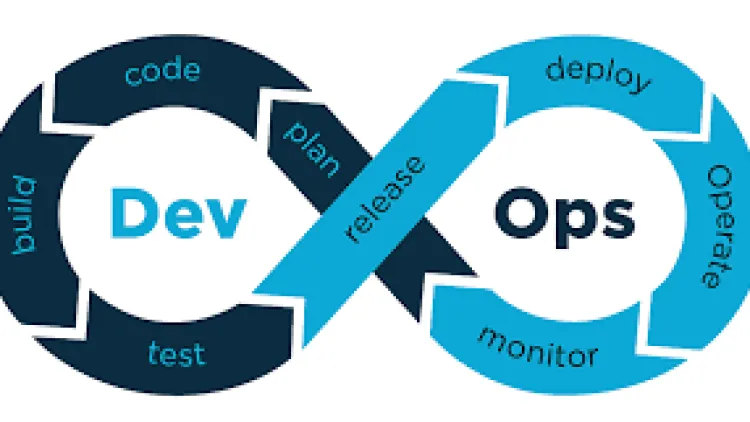
Automate and accelerate your data delivery lifecycles with our Data Engineering and DevOps Practices Training Course. Tailored for data engineers, DevOps specialists, and cloud platform architects, this hands-on program equips technical teams to apply modern software engineering rigor to data infrastructure. Guided by platform and DataOps experts, you will master Infrastructure as Code (Terraform/CloudFormation), continuous integration and continuous delivery (CI/CD) for data pipelines, automated testing, and environment orchestration—enabling your enterprise to minimize release friction, eliminate pipeline downtime, and deploy production-ready data architectures at scale.
Curriculum & Topics
15 Topics | 75 Sessions
-
 Workshop 1.1:
Fundamentals of data engineering and DevOps practices.
-
Workshop 1.2:
Overview of CI/CD, IaC, and automated testing for data pipelines.
-
Workshop 1.3:
Setting up a DevOps data engineering environment.
-
Workshop 1.4:
Introduction to DevOps tools and methodologies.
-
Workshop 1.5:
Best pBractices for DevOps data engineering.
-
Workshop 2.1:
Mastering continuous integration and continuous delivery (CI/CD) for data pipelines.
-
Workshop 2.2:
Utilizing CI/CD tools for automated data pipeline deployments.
-
Workshop 2.3:
Implementing automated build and deployment processes.
-
Workshop 2.4:
Designing and building efficient CI/CD workflows.
-
Workshop 2.5:
Best practices for data pipeline CI/CD.
-
Workshop 3.1:
Utilizing infrastructure as code (IaC) for data infrastructure management.
-
Workshop 3.2:
Implementing IaC with tools like Terraform and CloudFormation.
-
Workshop 3.3:
Designing and building scalable data infrastructure.
-
Workshop 3.4:
Optimizing IaC for data engineering deployments.
-
Workshop 3.5:
Best practices for IaC.
-
Workshop 4.1:
Implementing automated testing and validation for data engineering workflows.
-
Workshop 4.2:
Utilizing testing frameworks for data quality checks.
-
Workshop 4.3:
Designing and building automated test suites.
-
Workshop 4.4:
Optimizing testing for continuous validation.
-
Workshop 4.5:
Best practices for automated testing.
-
Workshop 5.1:
Designing and building efficient data pipeline deployment strategies.
-
Workshop 5.2:
Utilizing containerization and orchestration (Docker, Kubernetes).
-
Workshop 5.3:
Implementing blue/green and canary deployments.
-
Workshop 5.4:
Optimizing deployments for minimal downtime.
-
Workshop 5.5:
Best practices for deployment strategies.
-
Workshop 6.1:
Optimizing data engineering workflows for automation and scalability.
-
Workshop 6.2:
Utilizing workflow orchestration tools (Airflow, Prefect).
-
Workshop 6.3:
Implementing automated data pipeline monitoring.
-
Workshop 6.4:
Designing scalable data processing systems.
-
Workshop 6.5:
Best practices for automation.
-
Workshop 7.1:
Troubleshooting and addressing common issues in DevOps data implementations.
-
Workshop 7.2:
Analyzing CI/CD logs and deployment errors.
-
Workshop 7.3:
Utilizing problem-solving techniques for resolution.
-
Workshop 7.4:
Resolving common DevOps data errors.
-
Workshop 7.5:
Best practices for troubleshooting.
-
Workshop 8.1:
Implementing data governance and security in DevOps data environments.
-
Workshop 8.2:
Utilizing data access control and audit logs.
-
Workshop 8.3:
Designing and building compliance frameworks.
-
Workshop 8.4:
Optimizing security for DevOps data pipelines.
-
Workshop 8.5:
Best practices for governance.
-
Workshop 9.1:
Integrating DevOps tools and practices with data engineering platforms.
-
Workshop 9.2:
Utilizing version control systems (Git) for data pipelines.
-
Workshop 9.3:
Implementing monitoring and logging tools (Prometheus, ELK).
-
Workshop 9.4:
Designing efficient tool integrations.
-
Workshop 9.5:
Best practices for tool integration.
-
Workshop 10.1:
Understanding how to manage large-scale DevOps data projects.
-
Workshop 10.2:
Utilizing program and portfolio management techniques.
-
Workshop 10.3:
Implementing scaled DevOps practices for data teams.
-
Workshop 10.4:
Designing scalable DevOps solutions for data projects.
-
Workshop 10.5:
Best practices for large scale DevOps.
-
Workshop 11.1:
Exploring advanced DevOps patterns for data engineering (data observability, data mesh).
-
Workshop 11.2:
Utilizing data observability tools for pipeline monitoring.
-
Workshop 11.3:
Implementing DevOps for data mesh architectures.
-
Workshop 11.4:
Designing and building advanced DevOps frameworks.
-
Workshop 11.5:
Optimizing advanced patterns for specific applications.
-
Workshop 11.6:
Best practices for advanced DevOps.
-
Workshop 12.1:
Implementing DevOps for data lake deployments.
-
Workshop 12.2:
Utilizing DevOps for machine learning pipeline automation.
-
Workshop 12.3:
Implementing DevOps for real-time data streaming.
-
Workshop 12.4:
Utilizing DevOps for data warehouse migrations.
-
Workshop 12.5:
Best practices for real-world applications.
-
Workshop 13.1:
Utilizing DevOps tools and frameworks (Jenkins, GitLab CI, ArgoCD).
-
Workshop 13.2:
Implementing DevOps pipelines with specific tools.
-
Workshop 13.3:
Designing and building automated workflows.
-
Workshop 13.4:
Optimizing tool usage for efficient deployment.
-
Workshop 13.5:
Best practices for tool implementation.
-
Workshop 14.1:
Implementing pipeline monitoring and metrics.
-
Workshop 14.2:
Utilizing performance metrics and dashboards.
-
Workshop 14.3:
Designing and building monitoring systems.
-
Workshop 14.4:
Optimizing monitoring for real-time insights.
-
Workshop 14.5:
Best practices for monitoring.
-
Workshop 15.1:
Emerging trends in DevOps for data engineering.
-
Workshop 15.2:
Utilizing AI for DevOps automation in data pipelines.
-
Workshop 15.3:
Implementing serverless DevOps for data processing.
-
Workshop 15.4:
Best practices for future applications.