16 Topics
 5 Days
 64 Sessions
Programme Overview
Training Description
Farmers and agricultural producers
Agricultural extension officers and advisors
Agribusiness entrepreneurs and startups
Agricultural marketing and sales professionals
Agricultural technology providers
Rural development practitioners
Agricultural policymakers and government officials
Researchers and scientists
Agricultural investors and financiers
Supply chain managers
Students of agricultural technology and development
Individuals interested in digital agriculture
Cooperative managers
Session Objectives
- Understand the principles and benefits of cooperative development and farmer organizations. Implement techniques for forming and registering farmer cooperatives and organizations. Understand the role of effective governance and leadership in cooperatives. Implement techniques for developing and implementing cooperative bylaws and policies. Understand the principles of member recruitment and engagement in cooperatives. Implement techniques for enhancing member participation and decision-making. Understand the role of financial management and resource mobilization in cooperatives
About the Course
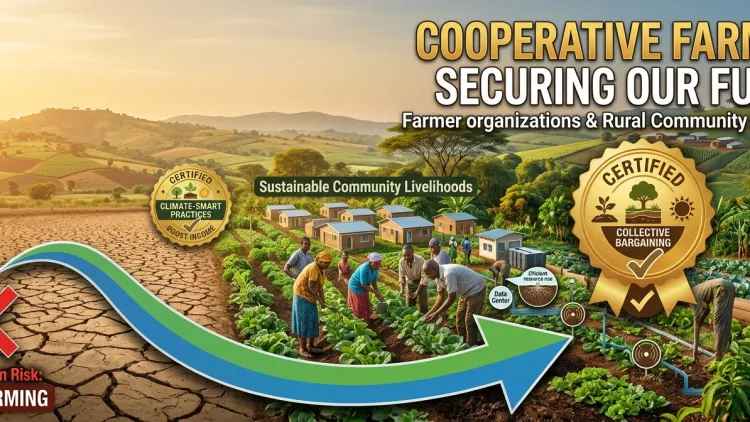
Cooperative Development and Farmer Organizations empowers individuals and communities to build strong, sustainable agricultural organizations. This course focuses on understanding cooperative principles, developing effective governance structures, and enhancing organizational capacity. Participants will learn to foster member participation, manage resources efficiently, and advocate for farmer interests. By mastering cooperative development, professionals can strengthen rural economies, improve farmer livelihoods, and promote equitable agricultural practices.
Effective farmer organizations are crucial for enhancing market access, securing fair prices, and empowering rural communities. This course delves into the practical aspects of building and managing cooperatives, exploring strategies for member recruitment, leadership development, and financial sustainability. By integrating cooperative theory with real-world applications, this program enables participants to create resilient and impactful organizations that promote collective action and drive positive change in the agricultural sector.
Curriculum & Topics
16 Topics | 64 Sessions
-
 Workshop 1.1:
Principles and benefits of collective action and mutual aid.
-
Workshop 1.2:
Understanding the role of cooperatives in rural development.
-
Workshop 1.3:
Benefits of member-owned and democratically controlled organizations.
-
Workshop 1.4:
Historical perspectives and global cooperative movements.
-
Workshop 2.1:
Techniques for mobilizing farmer groups and building consensus.
-
Workshop 2.2:
Implementing cooperative registration procedures and legal requirements.
-
Workshop 2.3:
Utilizing feasibility studies and business plan development.
-
Workshop 2.4:
Managing initial member recruitment and capital formation.
-
Workshop 3.1:
Understanding the role of effective governance structures.
-
Workshop 3.2:
Implementing democratic decision-making and member representation.
-
Workshop 3.3:
Utilizing leadership development and succession planning.
-
Workshop 3.4:
Managing board responsibilities and member accountability.
-
Workshop 4.1:
Techniques for drafting and implementing cooperative bylaws.
-
Workshop 4.2:
Implementing operational policies and procedures.
-
Workshop 4.3:
Utilizing member rights and responsibilities guidelines.
-
Workshop 4.4:
Managing policy review and amendment processes.
-
Workshop 5.1:
Understanding the principles of building strong membership bases.
-
Workshop 5.2:
Implementing member recruitment strategies and outreach programs.
-
Workshop 5.3:
Utilizing member surveys and feedback mechanisms.
-
Workshop 5.4:
Managing member retention and satisfaction.
-
Workshop 6.1:
N/A
-
Workshop 6.2:
N/A
-
Workshop 6.3:
N/A
-
Workshop 6.4:
N/A
-
Workshop 7.1:
Techniques for fostering active member participation.
-
Workshop 7.2:
Implementing democratic voting and meeting procedures.
-
Workshop 7.3:
Utilizing member committees and working groups.
-
Workshop 7.4:
Managing member communication and information sharing.
-
Workshop 8.1:
Understanding cooperative financial management principles.
-
Workshop 8.2:
Implementing budgeting and financial reporting systems.
-
Workshop 8.3:
Utilizing member savings and loan programs.
-
Workshop 8.4:
Managing fundraising and grant applications.
-
Workshop 9.1:
Techniques for developing cooperative business strategies.
-
Workshop 9.2:
Implementing market analysis and feasibility assessments.
-
Workshop 9.3:
Utilizing financial projections and risk management plans.
-
Workshop 9.4:
Managing business plan implementation and monitoring.
-
Workshop 10.1:
Understanding the principles of cooperative marketing strategies.
-
Workshop 10.2:
Implementing product branding and quality control.
-
Workshop 10.3:
Utilizing collective marketing and sales agreements.
-
Workshop 10.4:
Managing value-added processing and packaging.
-
Workshop 11.1:
Techniques for facilitating market access for cooperative members.
-
Workshop 11.2:
Implementing market information systems and platforms.
-
Workshop 11.3:
Utilizing contract farming and supply chain partnerships.
-
Workshop 11.4:
Managing market negotiation and sales contracts.
-
Workshop 12.1:
Understanding cooperative legislation and regulations.
-
Workshop 12.2:
Implementing compliance with tax and financial reporting requirements.
-
Workshop 12.3:
Utilizing contract law and dispute resolution mechanisms.
-
Workshop 12.4:
Managing legal documentation and record keeping.
-
Workshop 13.1:
Understanding the role of farmer organizations in policy advocacy.
-
Workshop 13.2:
Implementing lobbying and policy analysis strategies.
-
Workshop 13.3:
Utilizing stakeholder engagement and coalition building.
-
Workshop 13.4:
Managing advocacy campaigns and public awareness.
-
Workshop 14.1:
Developing strategic partnerships and collaborations.
-
Workshop 14.2:
Building capacity for cooperative management and operations.
-
Workshop 14.3:
Implementing training programs and knowledge sharing.
-
Workshop 14.4:
Managing cooperative expansion and diversification.
-
Workshop 15.1:
Analyzing real-world examples of successful cooperatives.
-
Workshop 15.2:
Highlighting best practices and innovative strategies.
-
Workshop 15.3:
Documenting economic and social impacts.
-
Workshop 15.4:
Cooperative member and leader testimonials.
-
Workshop 16.1:
Exploring emerging trends and challenges in cooperative development.
-
Workshop 16.2:
Integrating new technologies and business models.
-
Workshop 16.3:
Adapting to evolving market demands and policy environments.
-
Workshop 16.4:
Building resilient and sustainable farmer-led organizations.