7 Topics
 5 Days
Programme Overview
Training Description
Who Should Attend
• Community Leaders and decision-makers (e.g., elders, religious leaders).
• Local Government officials, especially those in planning and development.
• Staff from NGOs and Civil Society Organizations working at the grassroots level.
• Public Health workers and School Administrators.
• Disaster Management Volunteers and members of community action teams.
• Social workers and extension officers.
Session Objectives
- Facilitate Community-based Vulnerability and Capacity Assessment (VCA).
- Develop tailored Community Disaster Risk Reduction (CDRR) Plans.
- Integrate local and indigenous knowledge into preparedness.
- Establish and strengthen community-level early warning systems.
- Enhance resource mobilization and partnership building at the grassroots level.
About the Course
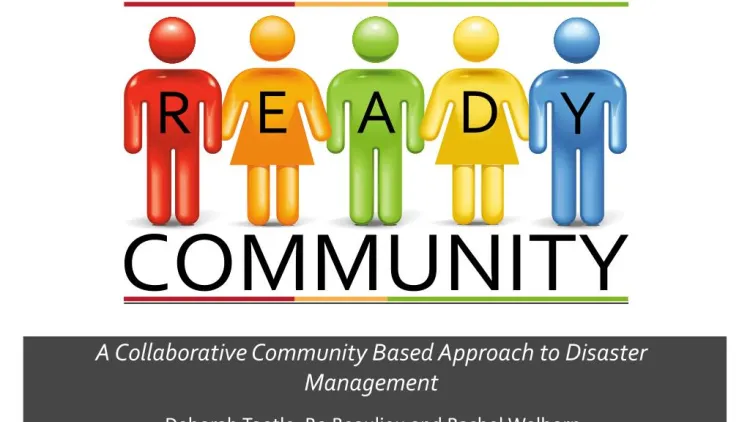
This course focuses on the bottom-up approach to disaster management, emphasizing the critical role of local communities in reducing their own risks. It equips participants with the skills to facilitate community-level Vulnerability and Capacity Assessments (VCA) to understand specific local threats and existing resources. The core objective is teaching how to design, implement, and monitor a robust Community Disaster Risk Reduction (CDRR) Plan using locally available knowledge, resources, and institutions. This approach promotes sustainability and ownership, ensuring preparedness activities are culturally relevant and effective against common hazards like floods, fires, or drought, ultimately training facilitators to empower communities to become resilient and less reliant on external aid during emergencies.
Curriculum & Topics
7 Topics | 5 Days
-
 Subtopic 1.1:
Fundamentals of community-based disaster risk management
Subtopic 1.1:
Fundamentals of community-based disaster risk management
-
Subtopic 1.2:
The Sendai Framework and community empowerment
-
Subtopic 1.3:
Role of communities in risk identification and mitigation
-
Subtopic 1.4:
Rights-based and participatory approaches in DRR
-
Subtopic 1.5:
Integrating resilience into local development planning
-
Subtopic 2.1:
Tools and techniques for community hazard mapping
-
Subtopic 2.2:
Participatory rural appraisal (PRA) and vulnerability analysis
-
Subtopic 2.3:
Seasonal calendars and historical timelines
-
Subtopic 2.4:
Risk perception and community prioritization
-
Subtopic 2.5:
Data collection and community profiling
-
Subtopic 3.1:
Developing community contingency and action plans
-
Subtopic 3.2:
Household preparedness and emergency supplies
-
Subtopic 3.3:
Local first responder systems and capacity building
-
Subtopic 3.4:
Roles and responsibilities during emergencies
-
Subtopic 3.5:
Simulation exercises and preparedness drills
-
Subtopic 4.1:
Characteristics of effective early warning systems
-
Subtopic 4.2:
Community-based monitoring and reporting systems
-
Subtopic 4.3:
Risk communication and behavior change strategies
-
Subtopic 4.4:
Linking traditional knowledge with modern alerts
-
Subtopic 4.5:
Engaging local media and community influencers
-
Subtopic 5.1:
Addressing the needs of vulnerable groups in DRR
-
Subtopic 5.2:
Gender-sensitive and disability-inclusive planning
-
Subtopic 5.3:
Community shelters and safety infrastructure
-
Subtopic 5.4:
Livelihood protection and risk-informed services
-
Subtopic 5.5:
Psychosocial support and trauma awareness
-
Subtopic 6.1:
Forming and training community disaster committees
-
Subtopic 6.2:
Building trust and social capital for collective action
-
Subtopic 6.3:
Advocacy campaigns for local policy support
-
Subtopic 6.4:
Partnerships with NGOs, schools, and faith-based groups
-
Subtopic 6.5:
Volunteer management and recognition
-
Subtopic 7.1:
Indicators of community resilience
-
Subtopic 7.2:
Participatory monitoring and evaluation tools
-
Subtopic 7.3:
Documentation and knowledge sharing
-
Subtopic 7.4:
Linking DRR with climate adaptation and development goals
-
Subtopic 7.5:
Institutionalizing community-based DRR practices