
 6 Topics
 5 Days
 38 Sessions
Programme Overview
Training Description
Empower local communities to anticipate, prepare for, and recover from disaster events with our Community-Based Disaster Risk Reduction & Resilience (CBDRR) Training Course. Designed for adult learners, NGO specialists, CBO teams, and government agency personnel who are actively rolling out community-centered resilience programs, this hands-on course gives you the operational skills to maximize project impact. Under expert guidance, you will learn step-by-step how to conduct community vulnerability assessments, mobilize local resources, build adaptive coping mechanisms, and design sustainable risk reduction initiatives. You will step away with the practical frameworks needed to foster true local ownership, elevate community coping capacity, and turn vulnerability into lasting resilience.
Session Objectives
- Identify Child Centered Community Development (CCCD) Differentiate the relationship between Development and Disasters Understand CBDRR and its alignment with CCCD Understand the work process of CCDRR Define and describe Community organization Participate in Institutional strengthening and alliance building on DRR
About the Course
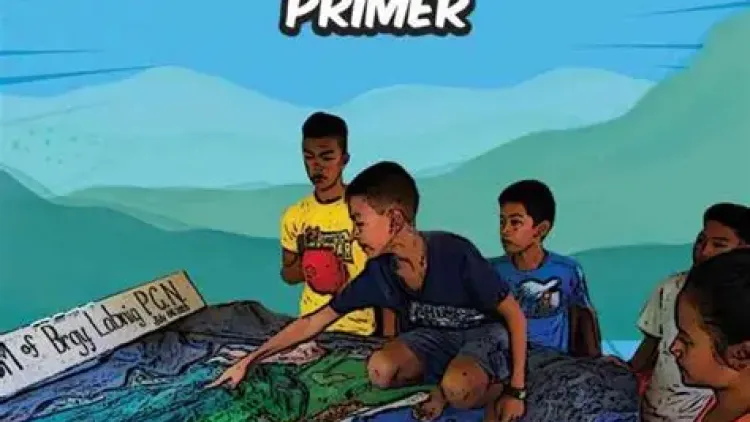
Child centered disaster risk reduction (CCDRR) is a process to strengthen community’s resilience. Children become activists and mobilize community through influencing individuals, peer groups, and other stakeholders towards the achievement of resilience in communities in times of disaster. CCDDR complements to national action plans for children through empowering children and community as whole towards disaster risk reduction.
The training is aimed at ensuring children are put at the center of the CBDRM process which thus ensures their active participation in disaster risk reduction by allowing them to start the risk identification process while simultaneously validating their findings with adults.
Curriculum & Topics
6 Topics | 38 Sessions
-
 Workshop 1.1:
CCCD framework
Workshop 1.1:
CCCD framework
-
Workshop 1.2:
Work process of CCCD
-
Workshop 2.1:
Development at Risk
-
Workshop 2.2:
Disasters relationship to development
-
Workshop 2.3:
Vicious spiral of Disaster Risk and development failure
-
Workshop 2.4:
Mainstream model of disaster risk reduction and development
-
Workshop 2.5:
Disaster management terminologies
-
Workshop 2.6:
Impact of disasters on children
-
Workshop 2.7:
Children’s contribution throughout disaster life cycle
-
Workshop 3.1:
Community-based Disaster Risk Reduction (CBDRR)
-
Workshop 3.2:
CBDRR approach
-
Workshop 3.3:
Process of CBDRR
-
Workshop 3.4:
Development of CCDRR model
-
Workshop 3.5:
Difference between CBDRR and CCDRR
-
Workshop 4.1:
Introduction
-
Workshop 4.2:
Preparation
-
Workshop 4.3:
Immersion
-
Workshop 4.4:
Capacity building training for child activists and potential adult
-
Workshop 4.5:
Community risk assessment
-
Workshop 4.6:
Step 1: Get to know the surroundings of your house, neighborhood, and community
-
Workshop 4.7:
Step 2: Social Mapping-
-
Workshop 4.8:
Step 3: Hazard Calendar
-
Workshop 4.9:
Step 4: Vulnerability identification
-
Workshop 4.10:
Step 5: Capacities and resources identification
-
Workshop 4.11:
Step 6: Risk Assessment
-
Workshop 4.12:
Step 7: Issues prioritization and cluster
-
Workshop 4.13:
Planning
-
Workshop 4.14:
Step 1: Root cause analysis and Risk Reduction Options
-
Workshop 4.15:
Step 2: Stakeholder mapping
-
Workshop 4.16:
Step 3: Validation with community members and stakeholders
-
Workshop 4.17:
Resource Mobilization
-
Workshop 4.18:
Implementation
-
Workshop 4.19:
Participatory Monitoring
-
Workshop 4.20:
Evaluation
-
Workshop 4.21:
Reflection
-
Workshop 5.1:
Phases of community organization
-
Workshop 6.1:
Mainstream service institutions
-
Workshop 6.2:
Community - Institutional Relationship