
 8 Topics
 5 Days
 24 Sessions
Programme Overview
Training Description
Communication and interpersonal skills training is critical for all personnel across the healthcare continuum, as effective interaction directly impacts patient safety, satisfaction, and team collaboration:
• Clinical Staff: Doctors, nurses, therapists, pharmacists, and medical residents who engage in direct patient care, clinical handoffs, and family updates.
• Healthcare Leadership & Management: Department heads, nurse managers, and supervisors responsible for conflict resolution, team culture, and performance management.
• Patient-Facing Support Staff: Receptionists, registration clerks, social workers, patient advocates, and customer service representatives.
• Emergency & High-Stress Teams: Trauma bay staff, intensive care unit (ICU) personnel, and emergency dispatchers who must maintain composure and clarity during critical events.
• Students & Trainees: Medical, nursing, and allied health students to build foundational relational skills early in their professional journey.
Session Objectives
- Apply active listening techniques to understand patient concerns, emotional states, and unexpressed needs.
- Demonstrate empathetic communication and compassionate bedside manner during diagnosis delivery, bad news discussions, or crisis situations.
- Execute structured interprofessional communication tools (such as SBAR) during clinical handoffs, team briefings, and emergency escalations.
- Navigate difficult conversations, including managing distressed patients, dealing with aggressive visitors, and addressing medical errors through open disclosure.
About the Course
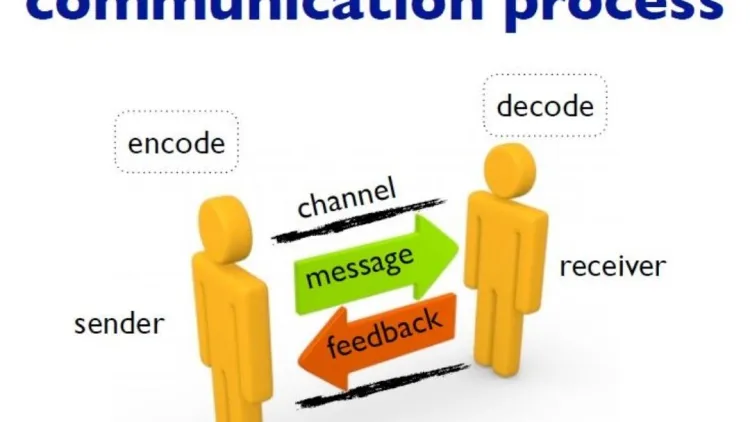
Welcome to the training on Communication and Interpersonal Skills in Healthcare.
In healthcare, communication is far more than a routine exchange of information—it is a critical clinical tool. Studies consistently show that the vast majority of adverse medical events, sentinel events, and patient complaints stem not from technical incompetence, but from communication breakdowns among team members or between clinicians and patients.
Effective interpersonal skills foster trust, improve diagnostic accuracy, enhance patient adherence to treatment plans, and create psychological safety within multidisciplinary teams. Conversely, poor communication leads to medical errors, fractured team dynamics, patient anxiety, and staff burnout.
Why This Training Matters
Historically, medical training focused heavily on technical and scientific knowledge while assuming interpersonal skills were innate. Modern healthcare science recognizes that communication can and must be taught, practiced, and mastered.
By the end of this program, participants will possess the practical frameworks, emotional intelligence, and relational tools necessary to build strong therapeutic alliances with patients and cultivate a collaborative, safe environment with colleagues.
Curriculum & Topics
8 Topics | 24 Sessions
-
 Workshop 1.1:
Understanding the impact of communication on patient health outcomes and satisfaction.
Workshop 1.1:
Understanding the impact of communication on patient health outcomes and satisfaction.
-
Workshop 1.2:
Active listening techniques: non-verbal cues, mirroring, validation, and reflective questioning.
-
Workshop 1.3:
Overcoming communication barriers (physical, psychological, emotional, and environmental).
-
Workshop 2.1:
Building quick rapport and establishing a safe clinical space.
-
Workshop 2.2:
Open-ended versus closed-ended questioning strategies.
-
Workshop 2.3:
Assessing and addressing health literacy levels using the "Teach-Back" method to ensure patient comprehension.
-
Workshop 3.1:
The anatomy of standard communication tools: SBAR (Situation, Background, Assessment, Recommendation) and CUS (Concerned, Uncomfortable, Safe).
-
Workshop 3.2:
Conducting effective multi-disciplinary rounds, team briefings, and debriefings.
-
Workshop 3.3:
Assertive communication: speaking up for patient safety regardless of hierarchical barriers.
-
Workshop 4.1:
The vulnerabilities inherent in patient handoffs and shift changes.
-
Workshop 4.2:
Standardized handoff frameworks (e.g., I-PASS, IPASS the baton).
-
Workshop 4.3:
Minimizing distractions and ensuring accurate transfer of critical patient data.
-
Workshop 5.1:
Protocols for breaking bad news (e.g., SPIKES protocol: Setting, Perception, Invitation, Knowledge, Emotions, Strategy).
-
Workshop 5.2:
Managing high-intensity emotional reactions (grief, anger, denial) from patients and families.
-
Workshop 5.3:
Communicating transparently after a medical error (Open Disclosure principles).
-
Workshop 6.1:
Identifying the stages of agitation and behavioral escalation.
-
Workshop 6.2:
Verbal de-escalation techniques and maintaining personal safety.
-
Workshop 6.3:
Resolving interprofessional conflicts constructively using collaborative problem-solving models.
-
Workshop 7.1:
Recognizing personal biases, assumptions, and cultural blind spots in healthcare.
-
Workshop 7.2:
Communicating effectively across diverse cultures, values, and beliefs.
-
Workshop 7.3:
Working productively with professional medical interpreters for limited English proficiency (LEP) patients.
-
Workshop 8.1:
Establishing and maintaining healthy professional boundaries with patients and families.
-
Workshop 8.2:
Recognizing the signs of compassion fatigue, secondary traumatic stress, and burnout.
-
Workshop 8.3:
Peer support frameworks and building personal resilience in high-stress clinical environments.