15 Topics
 5 Days
 60 Sessions
Programme Overview
Training Description
Farmers and agricultural producers
Agricultural consultants and advisors
Environmental consultants
Soil scientists and agronomists
Carbon project developers
Agricultural policymakers and government officials
Researchers and scientists
Environmental NGOs
Investors in sustainable agriculture
Students of environmental science and agriculture
Individuals interested in climate solutions
Carbon credit traders
Session Objectives
- Understand the principles and benefits of carbon farming and carbon credit systems. Implement techniques for measuring and monitoring soil carbon sequestration. Understand the role of agricultural practices in carbon sequestration and greenhouse gas emissions. Implement techniques for designing and implementing carbon farming projects. Understand the principles of carbon credit certification and verification. Implement techniques for navigating carbon credit standards and methodologies.
About the Course
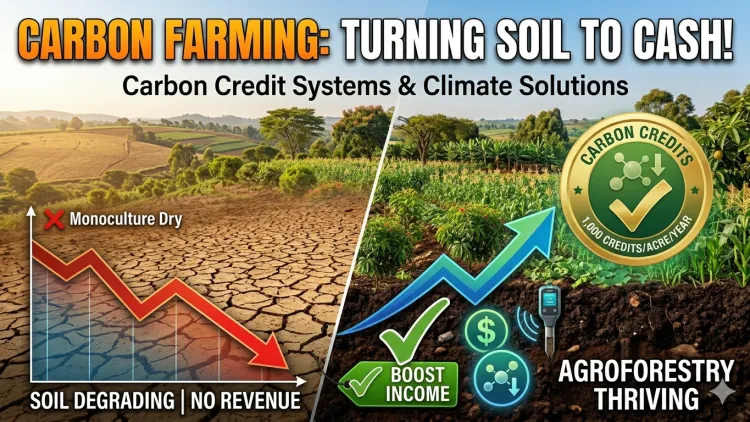
Carbon Farming and Carbon Credit Systems equips professionals with the knowledge and skills to implement agricultural practices that sequester carbon and participate in carbon credit markets. This course focuses on understanding carbon sequestration principles, developing carbon farming strategies, and navigating carbon credit certification and trading. Participants will learn to measure carbon sequestration, design carbon farming projects, and leverage carbon credits for sustainable agriculture. By mastering carbon farming, professionals can contribute to climate change mitigation while enhancing soil health and farm profitability.
The agricultural sector plays a crucial role in both emitting and sequestering greenhouse gases. This course delves into the intricacies of soil carbon sequestration, carbon credit standards, and project development, empowering participants to implement practices that promote carbon drawdown and generate revenue through carbon markets. By integrating scientific knowledge with practical strategies, this program enables individuals to create sustainable farming systems that contribute to global climate goals and enhance the economic viability of agricultural operations
Curriculum & Topics
15 Topics | 60 Sessions
-
 Workshop 1.1:
Principles and benefits of carbon sequestration in agriculture.
-
Workshop 1.2:
Understanding the role of agriculture in climate change mitigation.
-
Workshop 1.3:
Benefits of improved soil health and ecosystem services.
-
Workshop 1.4:
Historical context and evolving carbon farming practices.
-
Workshop 2.1:
Techniques for soil sampling and analysis.
-
Workshop 2.2:
Implementing soil carbon measurement protocols.
-
Workshop 2.3:
Utilizing remote sensing and data analytics for carbon monitoring.
-
Workshop 2.4:
Managing carbon data and reporting.
-
Workshop 3.1:
Understanding the impact of tillage, cover cropping, and crop rotation.
-
Workshop 3.2:
Implementing agroforestry and silvopasture systems.
-
Workshop 3.3:
Utilizing organic amendments and biochar.
-
Workshop 3.4:
Managing livestock and manure for carbon sequestration.
-
Workshop 4.1:
Techniques for developing carbon farming project plans.
-
Workshop 4.2:
Implementing baseline and additionality assessments.
-
Workshop 4.3:
Utilizing project management and implementation strategies.
-
Workshop 4.4:
Managing project documentation and reporting.
-
Workshop 5.1:
Understanding carbon credit standards and methodologies.
-
Workshop 5.2:
Implementing verification and validation processes.
-
Workshop 5.3:
Utilizing third-party certification bodies.
-
Workshop 5.4:
Managing carbon credit documentation and registration.
-
Workshop 6.1:
Techniques for applying specific carbon credit methodologies.
-
Workshop 6.2:
Implementing project eligibility and compliance requirements.
-
Workshop 6.3:
Utilizing carbon accounting and reporting tools.
-
Workshop 6.4:
Managing carbon credit registry and tracking.
-
Workshop 7.1:
Understanding the role of carbon markets in agricultural finance.
-
Workshop 7.2:
Implementing carbon credit trading and transactions.
-
Workshop 7.3:
Utilizing carbon offset and insetting mechanisms.
-
Workshop 7.4:
Managing carbon market participation and risk.
-
Workshop 8.1:
Techniques for negotiating carbon credit contracts.
-
Workshop 8.2:
Implementing carbon credit due diligence and risk assessment.
-
Workshop 8.3:
Utilizing carbon credit brokers and exchanges.
-
Workshop 8.4:
Managing carbon credit portfolio and investment.
-
Workshop 9.1:
Understanding the concept of additionality in carbon projects.
-
Workshop 9.2:
Implementing permanence and leakage mitigation measures.
-
Workshop 9.3:
Utilizing buffer pools and risk management strategies.
-
Workshop 9.4:
Managing carbon credit integrity and credibility.
-
Workshop 10.1:
Techniques for ensuring environmental co-benefits.
-
Workshop 10.2:
Implementing biodiversity and ecosystem impact assessments.
-
Workshop 10.3:
Utilizing social safeguards and community engagement.
-
Workshop 10.4:
Managing environmental monitoring and reporting.
-
Workshop 11.1:
Understanding carbon market regulations and compliance.
-
Workshop 11.2:
Implementing land use and environmental laws.
-
Workshop 11.3:
Utilizing contract law and intellectual property rights.
-
Workshop 11.4:
Managing legal risks and documentation.
-
Workshop 12.1:
Understanding the role of technology in enhancing carbon sequestration.
-
Workshop 12.2:
Implementing precision agriculture and data-driven management.
-
Workshop 12.3:
Utilizing remote sensing and geospatial analysis.
-
Workshop 12.4:
Managing technological innovation and adoption.
-
Workshop 13.1:
Developing carbon farming education and outreach programs.
-
Workshop 13.2:
Building partnerships with stakeholders and organizations.
-
Workshop 13.3:
Implementing policy advocacy and market development.
-
Workshop 13.4:
Managing carbon farming project scaling and replication.
-
Workshop 14.1:
Exploring emerging technologies and carbon market trends.
-
Workshop 14.2:
Integrating carbon farming into broader climate strategies.
-
Workshop 14.3:
Adapting to evolving carbon accounting and verification.
-
Workshop 14.4:
Building resilient and sustainable carbon-neutral agriculture.
-
Workshop 15.1:
Analyzing real-world examples of effective carbon farming projects.
-
Workshop 15.2:
Highlighting best practices and innovative approaches.
-
Workshop 15.3:
Documenting carbon sequestration and economic impacts.
-
Workshop 15.4:
Farmer and project developer testimonials.