
 7 Topics
 5 Days
Programme Overview
Training Description
Who Should Attend
This course is ideal for:
- Senior Leaders and Executives
- Managers and Team Leaders
- Ethics Officers
- Compliance Officers
- Human Resources Professionals
- Risk Management Professionals
- Legal Counsel
- Aspiring Leaders
- Professionals in all industries
- Anyone responsible for ethical conduct and decision-making
Session Objectives
- Understand the foundational principles of business ethics and their relevance.
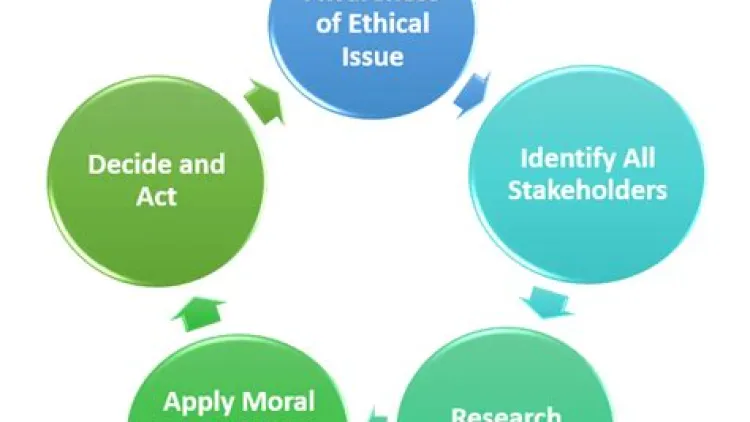
- Develop a systematic approach to analyzing and resolving ethical dilemmas.
- Master strategies for fostering a culture of integrity and transparency.
- Learn to identify and mitigate ethical risks within business operations.
- Cultivate ethical leadership and decision-making in complex situations.
- Enhance personal and organizational accountability for ethical conduct.
About the Course
The Business Ethics & Ethical Decision-Making Training Course is designed to help professionals understand the principles of ethical behavior in business and apply them to real-world decision-making. In an increasingly complex and competitive environment, organizations must go beyond compliance and foster a culture of integrity, transparency, and accountability to build lasting trust with stakeholders.
This course examines the foundations of business ethics, ethical leadership, and moral reasoning. Participants will explore how values, organizational culture, and external pressures influence decisions, and how to manage ethical dilemmas in a practical and principled way. The program introduces frameworks for ethical analysis and decision-making that can be applied to everyday operations, governance, and strategic choices.
Through interactive discussions, real-life case studies, and reflective exercises, participants will develop the ability to recognize ethical risks, evaluate consequences, and make responsible decisions that balance organizational goals with societal expectations. By the end of the course, they will be equipped to champion ethical conduct and strengthen integrity within their teams and organizations.
Curriculum & Topics
7 Topics | 5 Days
-
 Subtopic 1.1:
Defining business ethics, morality, and values in a corporate context.
Subtopic 1.1:
Defining business ethics, morality, and values in a corporate context.
-
Subtopic 1.2:
Understanding the strategic imperative of an ethical foundation for business success.
-
Subtopic 1.3:
Exploring different ethical theories and their practical application in business.
-
Subtopic 1.4:
The role of integrity and trustworthiness in building stakeholder trust.
-
Subtopic 1.5:
Case studies of ethical successes and failures in organizations.
-
Subtopic 2.1:
A systematic approach to analyzing and resolving ethical dilemmas.
-
Subtopic 2.2:
Tools for ethical analysis: utilitarianism, deontology, virtue ethics, and justice.
-
Subtopic 2.3:
Addressing conflicts of interest and managing ethical gray areas.
-
Subtopic 2.4:
The impact of organizational pressure and cognitive biases on ethical choices.
-
Subtopic 2.5:
Practical exercises in applying ethical decision-making models to real-world scenarios.
-
Subtopic 3.1:
The importance of leadership in setting and modeling ethical behavior.
-
Subtopic 3.2:
Strategies for communicating ethical values and expectations throughout the organization.
-
Subtopic 3.3:
Building a culture where ethical conduct is prioritized and celebrated.
-
Subtopic 3.4:
The role of transparency and open communication in fostering trust.
-
Subtopic 3.5:
Empowering employees to speak up and report concerns safely.
-
Subtopic 4.1:
Techniques for proactively identifying ethical risks across business operations.
-
Subtopic 4.2:
Understanding the link between ethical lapses and reputational/financial damage.
-
Subtopic 4.3:
Developing proactive strategies to prevent ethical misconduct.
-
Subtopic 4.4:
Implementing robust internal controls to mitigate ethical vulnerabilities.
-
Subtopic 4.5:
The role of risk assessment in ethical governance.
-
Subtopic 5.1:
Overview of key legal and regulatory frameworks related to business ethics.
-
Subtopic 5.2:
Understanding anti-corruption and anti-bribery laws (e.g., FCPA, UK Bribery Act).
-
Subtopic 5.3:
Data privacy regulations (e.g., GDPR, CCPA) and ethical data handling.
-
Subtopic 5.4:
The role of compliance programs in mitigating legal and ethical risks.
-
Subtopic 5.5:
Navigating international ethical standards and cross-border operations.
-
Subtopic 6.1:
Understanding ethical responsibilities to diverse stakeholders (e.g., shareholders, employees, customers, communities, environment).
-
Subtopic 6.2:
Strategies for ethical engagement with suppliers and partners.
-
Subtopic 6.3:
The role of Corporate Social Responsibility (CSR) and ESG in ethical business practices.
-
Subtopic 6.4:
Managing reputational risks arising from ethical issues.
-
Subtopic 6.5:
Building trust and legitimacy through responsible business practices.
-
Subtopic 7.1:
Strategies for embedding ethical values throughout the organizational DNA.
-
Subtopic 7.2:
Developing and delivering effective ethics training and awareness programs.
-
Subtopic 7.3:
Fostering psychological safety to encourage ethical reporting and open dialogue.
-
Subtopic 7.4:
Measuring and monitoring ethical culture and compliance effectiveness.
-
Subtopic 7.5:
Creating a personalized action plan for continuous ethical leadership and business integrity.