7 Topics
 5 Days
Programme Overview
Training Description
Who Should Attend
This course is ideal for:
- Senior Leaders and Executives
- Managers and Team Leaders
- Human Resources Professionals
- Organizational Development Specialists
- Project and Program Managers
- Anyone responsible for team performance and culture
- Consultants specializing in organizational change
- Aspiring Leaders
- Professionals seeking to enhance team cohesion
- Individuals committed to fostering positive workplace environments
Session Objectives
- Understand the foundational principles and benefits of high-trust organizations.
- Develop strategies for building and maintaining trust at individual, team, and organizational levels.
- Master transparent and authentic communication techniques.
- Learn to foster psychological safety and encourage open dialogue.
- Cultivate empathy and emotional intelligence to strengthen relationships.
- Enhance accountability through clear expectations and consistent follow-through.
About the Course
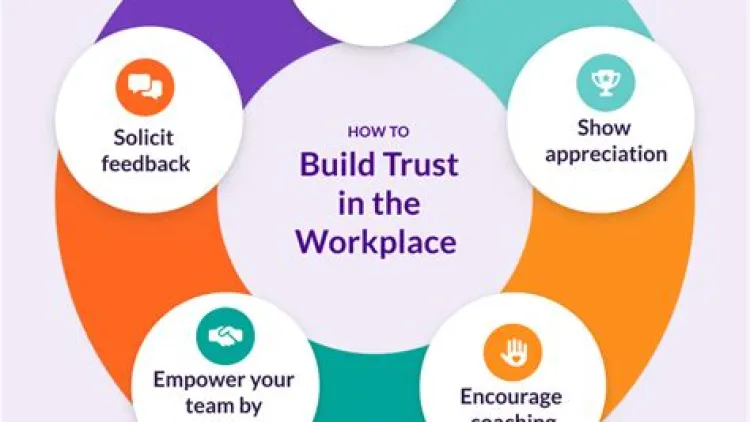
The Building & Leading High-Trust Organizations Training Course is designed to help leaders and professionals cultivate trust as a foundational element of organizational success. Trust is the cornerstone of effective leadership, strong collaboration, and sustainable performance — and this course provides the frameworks, tools, and insights needed to build and sustain it.
Participants will explore the principles of trust-based leadership, learning how transparency, integrity, consistency, and empathy drive engagement and loyalty across all levels of an organization. The course examines how trust influences culture, innovation, communication, and decision-making, and how leaders can intentionally shape a high-trust environment even in times of uncertainty or change.
Through practical exercises, case studies, and reflective learning, participants will gain actionable strategies for strengthening credibility, enhancing relationships, resolving conflicts, and fostering psychological safety within teams.
By the end of the course, participants will be able to lead with authenticity and accountability — creating an organizational culture grounded in trust, collaboration, and shared purpose that drives long-term resilience and success.
Curriculum & Topics
7 Topics | 5 Days
-
 Subtopic 1.1:
Defining trust and its critical role in organizational success.
Subtopic 1.1:
Defining trust and its critical role in organizational success.
-
Subtopic 1.2:
Understanding the neuroscience and psychology of trust.
-
Subtopic 1.3:
Exploring the benefits of high-trust cultures: innovation, engagement, performance.
-
Subtopic 1.4:
Identifying the key components of trust: integrity, competence, consistency, benevolence.
-
Subtopic 1.5:
Assessing your current organizational trust levels.
-
Subtopic 2.1:
Cultivating self-awareness and aligning actions with values.
-
Subtopic 2.2:
Mastering transparent and authentic communication.
-
Subtopic 2.3:
Demonstrating consistency and reliability in leadership.
-
Subtopic 2.4:
The power of vulnerability and empathy in building trust.
-
Subtopic 2.5:
Strategies for repairing broken trust.
-
Subtopic 3.1:
Defining psychological safety and its importance for team performance.
-
Subtopic 3.2:
Creating an environment where team members feel safe to speak up, ask questions, and take risks.
-
Subtopic 3.3:
Encouraging open dialogue and constructive dissent.
-
Subtopic 3.4:
Learning from mistakes without blame.
-
Subtopic 3.5:
The leader's role in modeling psychological safety.
-
Subtopic 4.1:
Strategies for clear, honest, and timely communication.
-
Subtopic 4.2:
Mastering active listening and empathetic responses.
-
Subtopic 4.3:
Developing effective feedback loops that build trust, not fear.
-
Subtopic 4.4:
Communicating difficult decisions and challenging news with integrity.
-
Subtopic 4.5:
The role of storytelling in building shared understanding and trust.
-
Subtopic 5.1:
Defining clear expectations and responsibilities.
-
Subtopic 5.2:
Empowering teams through autonomy and ownership.
-
Subtopic 5.3:
Implementing accountability systems that foster growth, not punishment.
-
Subtopic 5.4:
Delegating effectively to build competence and trust.
-
Subtopic 5.5:
Balancing control with trust in leadership.
-
Subtopic 6.1:
Understanding the sources of conflict in organizations.
-
Subtopic 6.2:
Strategies for resolving conflicts constructively and collaboratively.
-
Subtopic 6.3:
Mediating disputes and facilitating difficult conversations.
-
Subtopic 6.4:
Building team cohesion and shared purpose through challenge.
-
Subtopic 6.5:
Leveraging diversity of thought to strengthen team bonds.
-
Subtopic 7.1:
Embedding trust-building practices into organizational processes and policies.
-
Subtopic 7.2:
Measuring and monitoring trust levels over time.
-
Subtopic 7.3:
Recognizing and rewarding trust-building behaviors.
-
Subtopic 7.4:
Leading by example and championing integrity.
-
Subtopic 7.5:
Creating a personalized action plan for continuous trust building and leadership development.