7 Topics
 5 Days
 35 Sessions
Programme Overview
Training Description
Who Should Attend
This course is ideal for:
• Compliance Officers and Managers
• Ethics and Integrity Officers
• Risk Management Professionals
• HR and Organizational Development Managers
• Internal Auditors and Legal Counsel
• Executives and Board Members
• Public Sector Officials and NGO Leaders
• Consultants and Advisors
Session Objectives
- Understand the core components of an effective ethics and compliance program.
- Learn to conduct comprehensive compliance risk assessments.
- Develop and implement clear ethical policies and procedures.
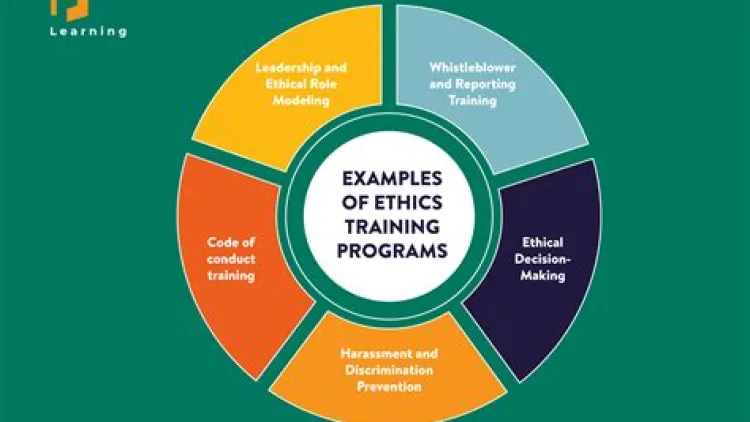
- Design and deliver impactful ethics and compliance training.
- Establish effective internal reporting and investigation mechanisms.
- Foster a strong ethical culture throughout the organization.
About the Course
The Building an Ethics and Compliance Program Training Course provides participants with the knowledge and tools needed to design, implement, and sustain effective ethics and compliance frameworks within organizations. In an era of increasing regulatory demands and public scrutiny, a well-structured ethics and compliance program is essential to protecting an organization’s reputation, fostering trust, and ensuring responsible conduct at every level.
This course explores the foundational components of successful ethics and compliance programs, including governance structures, policy development, risk assessment, training, monitoring, reporting, and continuous improvement. Participants will learn how to align compliance initiatives with organizational values and strategy while promoting a culture of integrity and accountability.
Through case studies, interactive sessions, and practical tools, participants will gain insights into global best practices, compliance program maturity models, and the evolving role of leadership in ethical governance. By the end of the course, attendees will be equipped to build and manage ethics and compliance programs that not only meet regulatory requirements but also strengthen organizational culture and stakeholder confidence.
Curriculum & Topics
7 Topics | 35 Sessions
-
 Workshop 1.1:
Defining ethics and compliance in a corporate context
Workshop 1.1:
Defining ethics and compliance in a corporate context
-
Workshop 1.2:
The business case for an effective program
-
Workshop 1.3:
Key regulatory frameworks and guidelines (e.g., FCPA, UK Bribery Act)
-
Workshop 1.4:
The elements of an effective compliance program (DOJ, ISO 37001)
-
Workshop 1.5:
The role of leadership in setting the tone at the top
-
Workshop 2.1:
Methodologies for identifying and assessing compliance risks
-
Workshop 2.2:
Prioritizing risks based on likelihood and impact
-
Workshop 2.3:
Developing risk mitigation strategies and controls
-
Workshop 2.4:
Integrating risk management into business operations
-
Workshop 2.5:
Monitoring and reviewing risk profiles
-
Workshop 3.1:
Developing clear and comprehensive ethics and compliance policies
-
Workshop 3.2:
Crafting effective codes of conduct
-
Workshop 3.3:
Implementing procedures for key risk areas (e.g., anti-bribery, data privacy)
-
Workshop 3.4:
Communicating policies effectively to all employees
-
Workshop 3.5:
Ensuring policies are regularly reviewed and updated
-
Workshop 4.1:
Designing engaging and effective ethics and compliance training programs
-
Workshop 4.2:
Tailoring training to different employee groups and risk areas
-
Workshop 4.3:
Utilizing various communication channels for awareness
-
Workshop 4.4:
Measuring the effectiveness of training and communication efforts
-
Workshop 4.5:
Fostering a culture of open dialogue and ethical questioning
-
Workshop 5.1:
Establishing confidential and accessible reporting mechanisms (whistleblower hotlines)
-
Workshop 5.2:
Conducting fair, thorough, and timely internal investigations
-
Workshop 5.3:
Documenting investigation findings and remediation actions
-
Workshop 5.4:
Disciplinary actions and corrective measures
-
Workshop 5.5:
Learning from incidents to prevent future occurrences
-
Workshop 6.1:
Developing compliance monitoring frameworks
-
Workshop 6.2:
Conducting internal and external compliance audits
-
Workshop 6.3:
Utilizing data analytics to identify compliance trends and red flags
-
Workshop 6.4:
Measuring program effectiveness and key performance indicators (KPIs)
-
Workshop 6.5:
Implementing a continuous improvement cycle for the program
-
Workshop 7.1:
Navigating cross-border compliance complexities
-
Workshop 7.2:
Managing third-party risks and due diligence
-
Workshop 7.3:
Ethics and compliance in mergers and acquisitions
-
Workshop 7.4:
Addressing emerging risks (e.g., AI ethics, ESG compliance)
-
Workshop 7.5:
The future of compliance and regulatory trends