15 Topics
 5 Days
 74 Sessions
Programme Overview
Training Description
Police training staff (train-the-trainer):
Digital forensics and it personnel:
Crime analysts and investigators (dci):
Internal affairs and discipline/oversight bodies:
The judiciary and magistrates:
Office of the director of public prosecutions
Defense lawyers and public defenders:
Civil society organizations (csos) & human rights advocates:
Session Objectives
- Upon completion of this body-worn camera technology & evidence management course, participants will be able to: Understand the principles and applications of body-worn camera technology. Implement best practices for deploying and operating body-worn cameras. Understand the legal and ethical considerations of bwc usage. Implement strategies for managing and storing bwc video evidence. Understand the importance of chain of custody and evidence integrity. Implement techniques for reviewing and analyzing bwc video footage.
About the Course
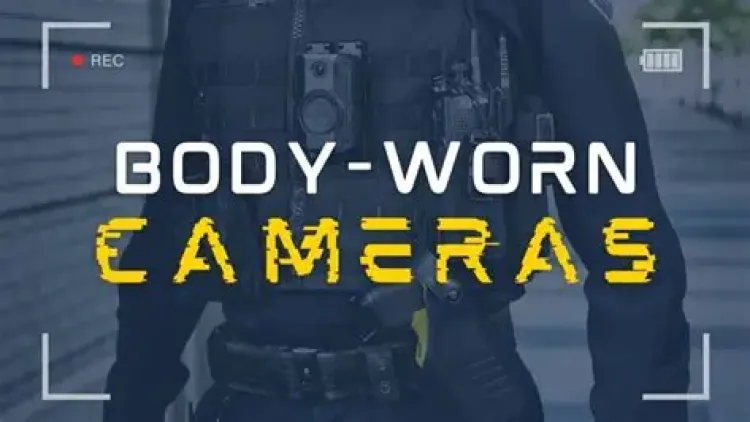
Body-worn camera technology & evidence management equips professionals with the expertise to deploy body-worn cameras (bwcs) effectively, manage video evidence securely, and ensure compliance with legal and ethical standards. This course focuses on bwc best practices, data management, and legal considerations. Participants will learn to implement bwc policies, maintain chain of custody, and utilize video evidence for accountability and transparency. This course bridges the gap between bwc technology and responsible implementation, enabling professionals to enhance public trust and improve policing practices.
Curriculum & Topics
15 Topics | 74 Sessions
-
 Workshop 1.1:
Overview of bwc technology and its evolution.
Workshop 1.1:
Overview of bwc technology and its evolution.
-
Workshop 1.2:
Understanding the benefits and challenges of bwc implementation.
-
Workshop 1.3:
Introduction to key components of bwc systems.
-
Workshop 1.4:
Legal and ethical considerations surrounding bwc usage.
-
Workshop 1.5:
Setting the stage for transparent policing and accountability.
-
Workshop 2.1:
Implementing best practices for deploying and operating bwcs.
-
Workshop 2.2:
Understanding activation and deactivation protocols.
-
Workshop 2.3:
Analyzing recording guidelines and officer discretion.
-
Workshop 2.4:
Implementing strategies for managing bwc equipment and maintenance.
-
Workshop 2.5:
Learning to develop effective bwc operational procedures.
-
Workshop 3.1:
Understanding relevant laws and regulations (e.g., privacy laws, public records acts).
-
Workshop 3.2:
Analyzing legal requirements for obtaining and using bwc video evidence.
-
Workshop 3.3:
Understanding the principles of privacy, civil liberties, and data protection.
-
Workshop 3.4:
Implementing strategies for ensuring ethical conduct in bwc usage.
-
Workshop 3.5:
Learning to navigate the legal and ethical landscape of bwc technology.
-
Workshop 4.1:
Implementing strategies for managing and storing bwc video evidence.
-
Workshop 4.2:
Understanding data storage requirements and retention policies.
-
Workshop 4.3:
Analyzing the role of video management systems (vms) and cloud storage.
-
Workshop 4.4:
Implementing techniques for data encryption and access control.
-
Workshop 4.5:
Learning to ensure secure and efficient video evidence management.
-
Workshop 5.1:
Understanding the importance of chain of custody in bwc evidence management.
-
Workshop 5.2:
Implementing techniques for documenting and tracking video evidence.
-
Workshop 5.3:
Analyzing the role of hashing and digital signatures in ensuring evidence integrity.
-
Workshop 5.4:
Implementing strategies for preserving evidence admissibility in court.
-
Workshop 5.5:
Learning to maintain a robust chain of custody.
-
Workshop 6.1:
Implementing techniques for reviewing and analyzing bwc video footage.
-
Workshop 6.2:
Understanding the principles of video analysis and interpretation.
-
Workshop 6.3:
Analyzing video footage for incident reconstruction and evidence identification.
-
Workshop 6.4:
Implementing techniques for redaction and video editing.
-
Workshop 6.5:
Learning to extract relevant information from bwc video.
-
Workshop 7.1:
Understanding the role of bwc technology in internal investigations.
-
Workshop 7.2:
Implementing strategies for using bwc video in officer misconduct investigations.
-
Workshop 7.3:
Analyzing the impact of bwc technology on officer accountability and discipline.
-
Workshop 7.4:
Implementing techniques for auditing and quality control of bwc usage.
-
Workshop 7.5:
Learning to enhance accountability through bwc technology.
-
Workshop 8.1:
Implementing strategies for developing and enforcing bwc policies.
-
Workshop 8.2:
Analyzing best practices for policy development and implementation.
-
Workshop 8.3:
Understanding the role of stakeholder engagement in policy development.
-
Workshop 8.4:
Implementing techniques for policy review and revision.
-
Workshop 8.5:
Learning to create comprehensive bwc policies.
-
Workshop 9.1:
Understanding the impact of bwc technology on community relations and transparency.
-
Workshop 9.2:
Implementing strategies for building public trust and confidence.
-
Workshop 9.3:
Analyzing the role of public access and foia requests in bwc video release.
-
Workshop 9.4:
Implementing techniques for community engagement and education.
-
Workshop 9.5:
Learning to enhance transparency through bwc technology.
-
Workshop 10.1:
Implementing strategies for training officers and staff on bwc usage and evidence management.
-
Workshop 10.2:
Analyzing the role of training in ensuring effective bwc implementation.
-
Workshop 10.3:
Implementing techniques for developing and delivering bwc training programs.
-
Workshop 10.4:
Understanding the principles of adult learning and training evaluation.
-
Workshop 10.5:
Learning to develop effective bwc training programs.
-
Workshop 11.1:
Understanding the data privacy and security risks associated with bwc systems.
-
Workshop 11.2:
Implementing security measures to protect sensitive video data.
-
Workshop 11.3:
Analyzing and mitigating cyber threats to bwc infrastructure.
-
Workshop 11.4:
Data encryption and access control.
-
Workshop 11.5:
Learning to ensure data privacy and security.
-
Workshop 12.1:
Evaluating the effectiveness of different bwc management systems and technologies.
-
Workshop 12.2:
Analyzing the role of technology in enhancing bwc program effectiveness.
-
Workshop 12.3:
Implementing techniques for selecting appropriate bwc hardware and software.
-
Workshop 12.4:
Understanding the principles of procurement and vendor management.
-
Workshop 12.5:
Learning to evaluate and select bwc systems.
-
Workshop 13.1:
Understanding the importance of auditing and quality control in bwc evidence management.
-
Workshop 13.2:
Implementing techniques for conducting bwc system audits and reviews.
-
Workshop 13.3:
Analyzing the role of data analytics in identifying trends and patterns.
-
Workshop 13.4:
Implementing strategies for continuous improvement of bwc evidence management.
-
Workshop 13.5:
Learning to ensure quality control.
-
Workshop 14.1:
Analyzing real-world case studies of successful bwc implementations.
-
Workshop 14.2:
Learning from best practices across different law enforcement agencies.
-
Workshop 14.3:
Identifying key lessons learned and challenges in implementation.
-
Workshop 14.4:
Discussing the role of innovation and adaptation.
-
Workshop 14.5:
Sharing knowledge and experience.
-
Workshop 15.1:
Exploring emerging trends and opportunities in bwc technology (ai-driven video analysis, real-time analytics, cloud-based solutions).
-
Workshop 15.2:
Developing action plans for advancing bwc programs within law enforcement agencies.
-
Workshop 15.3:
Analyzing the role of individual and collective action.
-
Workshop 15.4:
Understanding how to stay up to date on bwc technology and evidence management information.