15 Topics
 5 Days
Programme Overview
Training Description
Energy Traders
Technology Managers
Energy Analysts
Regulatory Compliance Officers
Project Managers
IT Professionals
Business Development Managers
Session Objectives
- Understand the fundamentals of blockchain technology for energy trading. Master distributed ledger technology (DLT) and smart contract implementation. Utilize tokenization for energy asset trading and management. Implement peer-to-peer (P2P) energy trading platforms. Design and build blockchain solutions for renewable energy certificates (RECs). Optimize energy supply chain transparency and traceability using blockchain. Troubleshoot and address common challenges in blockchain implementation. Implement regulatory compliance and security standards for blockchain.
About the Course
Modernize your energy market transactions and unlock peer-to-peer trading capabilities with our Blockchain Technology for Energy Trading Training Course. Designed for energy professionals, technology leads, and market analysts, this practical program delivers direct experience applying distributed ledger frameworks to real-world power markets. Under expert guidance, you will learn step-by-step how smart contracts automate trade execution, how tokenization simplifies tracking green energy attributes, and how decentralized networks ensure data integrity. You will walk away with the actionable skills needed to build transparent trading workflows, reduce transaction overhead, and lead strategic blockchain initiatives within your organization.
Curriculum & Topics
15 Topics | 5 Days
-
 Subtopic 1.1:
Fundamentals of blockchain technology for energy trading.
Subtopic 1.1:
Fundamentals of blockchain technology for energy trading.
-
Subtopic 1.2:
Overview of distributed ledger technology (DLT) and blockchain concepts.
-
Subtopic 1.3:
Setting up a blockchain implementation framework for energy trading.
-
Subtopic 1.4:
Introduction to blockchain platforms and tools.
-
Subtopic 1.5:
Best practices for blockchain in energy trading.
-
Subtopic 2.1:
Mastering distributed ledger technology (DLT) and smart contract implementation.
-
Subtopic 2.2:
Utilizing consensus mechanisms and network architecture.
-
Subtopic 2.3:
Implementing smart contracts for automated trading and settlement.
-
Subtopic 2.4:
Designing and building smart contract applications.
-
Subtopic 2.5:
Best practices for DLT and smart contracts.
-
Subtopic 3.1:
Utilizing tokenization for energy asset trading and management.
-
Subtopic 3.2:
Implementing asset tokenization and digital representation.
-
Subtopic 3.3:
Utilizing tokenized energy contracts and derivatives.
-
Subtopic 3.4:
Designing and building tokenized trading platforms.
-
Subtopic 3.5:
Best practices for tokenization.
-
Subtopic 4.1:
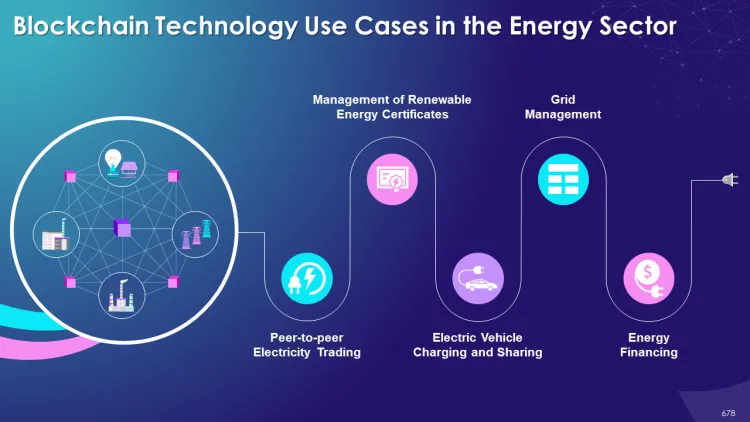
Implementing peer-to-peer (P2P) energy trading platforms.
-
Subtopic 4.2:
Utilizing blockchain for decentralized energy transactions.
-
Subtopic 4.3:
Implementing smart metering and automated billing.
-
Subtopic 4.4:
Designing and building P2P trading applications.
-
Subtopic 4.5:
Best practices for P2P trading.
-
Subtopic 5.1:
Designing and build blockchain solutions for renewable energy certificates (RECs).
-
Subtopic 5.2:
Utilizing blockchain for REC tracking and verification.
-
Subtopic 5.3:
Implementing smart contracts for REC trading.
-
Subtopic 5.4:
Designing and building REC management systems.
-
Subtopic 5.5:
Best practices for REC management.
-
Subtopic 6.1:
Optimizing energy supply chain transparency and traceability using blockchain.
-
Subtopic 6.2:
Utilizing blockchain for tracking energy sources and transactions.
-
Subtopic 6.3:
Implementing smart contracts for supply chain automation.
-
Subtopic 6.4:
Designing and building supply chain management systems.
-
Subtopic 6.5:
Best practices for supply chain transparency.
-
Subtopic 7.1:
Troubleshooting and addressing common challenges in blockchain implementation.
-
Subtopic 7.2:
Analyzing blockchain network performance and smart contract errors.
-
Subtopic 7.3:
Utilizing problem-solving techniques for resolution.
-
Subtopic 7.4:
Resolving common blockchain deployment issues.
-
Subtopic 7.5:
Best practices for troubleshooting.
-
Subtopic 8.1:
Implementing regulatory compliance and security standards for blockchain.
-
Subtopic 8.2:
Utilizing KYC/AML compliance and data privacy regulations.
-
Subtopic 8.3:
Implementing secure smart contract development and auditing.
-
Subtopic 8.4:
Designing and building compliance programs.
-
Subtopic 8.5:
Best practices for compliance and security.
-
Subtopic 9.1:
Integrating blockchain with existing energy trading systems.
-
Subtopic 9.2:
Utilizing API and data integration techniques.
-
Subtopic 9.3:
Implementing blockchain in existing trading platforms.
-
Subtopic 9.4:
Designing and building integrated blockchain solutions.
-
Subtopic 9.5:
Best practices for integration.
-
Subtopic 10.1:
Understanding how to manage large-scale blockchain deployment projects.
-
Subtopic 10.2:
Utilizing project management tools and techniques.
-
Subtopic 10.3:
Designing scalable blockchain solutions.
-
Subtopic 10.4:
Best practices for project management.
-
Subtopic 10.5:
Implementing program evaluation and reporting.
-
Subtopic 11.1:
Exploring emerging blockchain applications in the energy sector (decentralized energy grids, IoT integration).
-
Subtopic 11.2:
Utilizing blockchain for decentralized energy grids and microgrids.
-
Subtopic 11.3:
Implementing IoT integration for real-time energy data.
-
Subtopic 11.4:
Designing and building advanced blockchain systems.
-
Subtopic 11.5:
Optimizing advanced applications for specific use cases.
-
Subtopic 11.6:
Best practices for advanced applications.
-
Subtopic 12.1:
Applying real world use cases for blockchain in various energy trading scenarios.
-
Subtopic 12.2:
Utilizing blockchain for energy derivatives trading.
-
Subtopic 12.3:
Implementing blockchain for smart grid management.
-
Subtopic 12.4:
Utilizing blockchain for renewable energy trading platforms.
-
Subtopic 12.5:
Implementing blockchain for carbon credit trading.
-
Subtopic 12.6:
Best practices for real-world applications.
-
Subtopic 13.1:
Leveraging blockchain tools and frameworks for efficient implementation.
-
Subtopic 13.2:
Utilizing blockchain development platforms and libraries.
-
Subtopic 13.3:
Implementing smart contract development tools.
-
Subtopic 13.4:
Designing and building automated blockchain workflows.
-
Subtopic 13.5:
Best practices for tool implementation.Module 14: Monitoring and Metrics
-
Subtopic 14.1:
Implementing blockchain network monitoring and metrics.
-
Subtopic 14.2:
Utilizing transaction volume and network performance indicators.
-
Subtopic 14.3:
Designing and building monitoring systems for blockchain projects.
-
Subtopic 14.4:
Optimizing monitoring for real-time insights.
-
Subtopic 14.5:
Best practices for monitoring.
-
Subtopic 15.1:
Emerging trends in blockchain technologies and applications for energy trading.
-
Subtopic 15.2:
Utilizing interoperability and cross-chain solutions.
-
Subtopic 15.3:
Implementing decentralized autonomous organizations (DAOs) for energy governance.
-
Subtopic 15.4:
Best practices for future blockchain implementation.