15 Topics
 5 Days
 60 Sessions
Programme Overview
Training Description
This course is designed for farmers, agricultural extension officers, researchers, policymakers, and environmental consultants. This includes Farmers, Agricultural Consultants, Environmental Scientists, Researchers, Policy Makers, Extension Officers, NGO Staff, Land Managers, Sustainability Officers, and Agricultural Educators. These individuals require expertise in agroecology to design and implement sustainable farming systems.
Session Objectives
- Understand the core principles of agroecology and their application. Analyze ecological interactions within farming systems. Implement strategies for enhancing biodiversity in agricultural landscapes. Develop techniques for improving soil health through agroecological practices. Understand the role of integrated pest and disease management in agroecology. Design farming systems that minimize reliance on external inputs. Apply agroforestry principles to integrate trees into farming systems.
About the Course
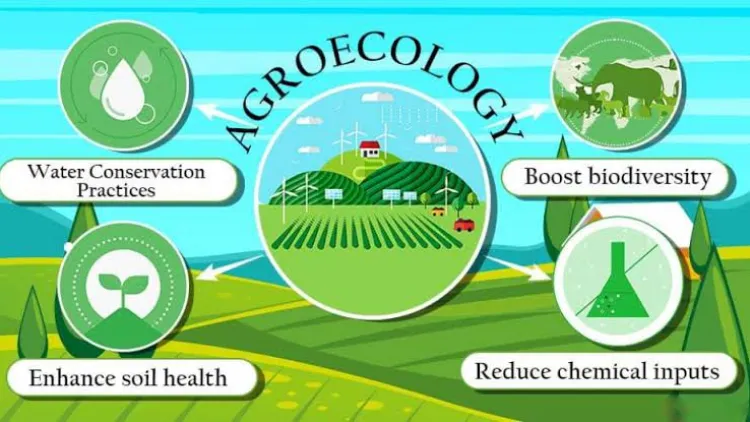
Agroecology Principles and Application equips professionals with the knowledge to integrate ecological science into farming systems, promoting sustainable and resilient agriculture. This course focuses on understanding ecological interactions, applying agroecological principles, and designing farming systems that mimic natural ecosystems. Participants will learn to enhance biodiversity, improve soil health, and reduce reliance on external inputs. By mastering agroecology, professionals can contribute to sustainable food production and environmental conservation..
Curriculum & Topics
15 Topics | 60 Sessions
-
 Workshop 1.1:
Defining agroecology and its historical development.
-
Workshop 1.2:
Understanding the core principles: diversity, synergies, efficiency, resilience, recycling, and co-creation of knowledge.
-
Workshop 1.3:
Distinguishing agroecology from conventional and other sustainable agriculture approaches.
-
Workshop 1.4:
Exploring the environmental, social, and economic benefits of agroecological systems.
-
Workshop 2.1:
Analyzing trophic interactions, nutrient cycling, and energy flows.
-
Workshop 2.2:
Understanding the role of biodiversity in ecosystem functioning.
-
Workshop 2.3:
Examining plant-soil-microbe interactions and their importance.
-
Workshop 2.4:
Exploring the impact of external inputs on ecological balance.
-
Workshop 3.1:
Strategies for promoting functional biodiversity: pollinators, predators, and decomposers.
-
Workshop 3.2:
Designing diverse cropping systems: polycultures, intercropping, and rotations.
-
Workshop 3.3:
Creating habitats for beneficial organisms: hedgerows, buffer zones, and wildlife corridors.
-
Workshop 3.4:
Understanding the role of landscape ecology in agroecosystem management.
-
Workshop 4.1:
Building soil organic matter through cover cropping, composting, and reduced tillage.
-
Workshop 4.2:
Enhancing soil biological activity and nutrient availability.
-
Workshop 4.3:
Implementing natural soil fertility management practices.
-
Workshop 4.4:
Assessing and monitoring soil health indicators.
-
Workshop 5.1:
Understanding ecological approaches to pest and disease control.
-
Workshop 5.2:
Implementing biological control, cultural practices, and habitat management.
-
Workshop 5.3:
Minimizing reliance on synthetic pesticides and promoting natural defenses.
-
Workshop 5.4:
Monitoring pest and disease dynamics.
-
Workshop 6.1:
Closed-loop nutrient cycling and on-farm resource management.
-
Workshop 6.2:
Utilizing local and renewable resources.
-
Workshop 6.3:
Designing efficient water management systems.
-
Workshop 6.4:
Reducing reliance on external inputs: fertilizers, pesticides, and energy.
-
Workshop 7.1:
Designing and implementing diverse agroforestry systems: silvopasture, alley cropping, and home gardens.
-
Workshop 7.2:
Selecting appropriate tree species and integrating them into farming systems.
-
Workshop 7.3:
Benefits of agroforestry: increased biodiversity, carbon sequestration, and diversified income.
-
Workshop 7.4:
Managing agroforestry systems for optimal productivity.
-
Workshop 8.1:
Water harvesting and conservation techniques.
-
Workshop 8.2:
Improving water infiltration and reducing runoff.
-
Workshop 8.3:
Designing water-efficient irrigation systems.
-
Workshop 8.4:
Adapting to water scarcity and drought conditions.
-
Workshop 9.1:
Strategies for adapting to climate change impacts: drought, floods, and temperature extremes.
-
Workshop 9.2:
Enhancing ecosystem resilience and reducing vulnerability.
-
Workshop 9.3:
Promoting carbon sequestration and reducing greenhouse gas emissions.
-
Workshop 9.4:
Integrating climate-smart practices into agroecological systems.
-
Workshop 10.1:
Understanding the role of social equity, food sovereignty, and community empowerment.
-
Workshop 10.2:
Analyzing the economic benefits of agroecological systems: reduced input costs, diversified income, and market access.
-
Workshop 10.3:
Exploring the role of local knowledge and participatory research.
-
Workshop 10.4:
Promoting fair trade and direct marketing.
-
Workshop 11.1:
Developing methodologies for assessing ecosystem services and biodiversity.
-
Workshop 11.2:
Using participatory monitoring and evaluation techniques.
-
Workshop 11.3:
Analyzing the impact of agroecological practices on environmental, social, and economic indicators.
-
Workshop 11.4:
Utilizing remote sensing and GIS for landscape-level assessments.
-
Workshop 12.1:
Understanding the policy frameworks supporting agroecology.
-
Workshop 12.2:
Exploring market opportunities for certified organic and agroecological products.
-
Workshop 12.3:
Developing value chains and marketing strategies for agroecological products.
-
Workshop 12.4:
Advocating for policies that promote agroecology.
-
Workshop 13.1:
Developing a transition plan and overcoming barriers.
-
Workshop 13.2:
Building a support network and accessing resources.
-
Workshop 13.3:
Utilizing adaptive management and continuous learning.
-
Workshop 13.4:
Documenting and sharing successful transition stories.
-
Workshop 14.1:
Analyzing real-world examples of successful agroecological farms and initiatives.
-
Workshop 14.2:
Highlighting innovative techniques and best practices.
-
Workshop 14.3:
Documenting economic and environmental impacts.
-
Workshop 14.4:
Farmer testimonials and virtual farm tours.
-
Workshop 15.1:
Exploring emerging trends and innovations in agroecology.
-
Workshop 15.2:
Discussing the role of technology and research in advancing agroecology.
-
Workshop 15.3:
Developing strategies for scaling up agroecological practices.
-
Workshop 15.4:
Building resilient and sustainable food systems for the future.